
Blog
How to Choose the Right Facial Mask for Acne Scars: Practical Playbook with Real Examples
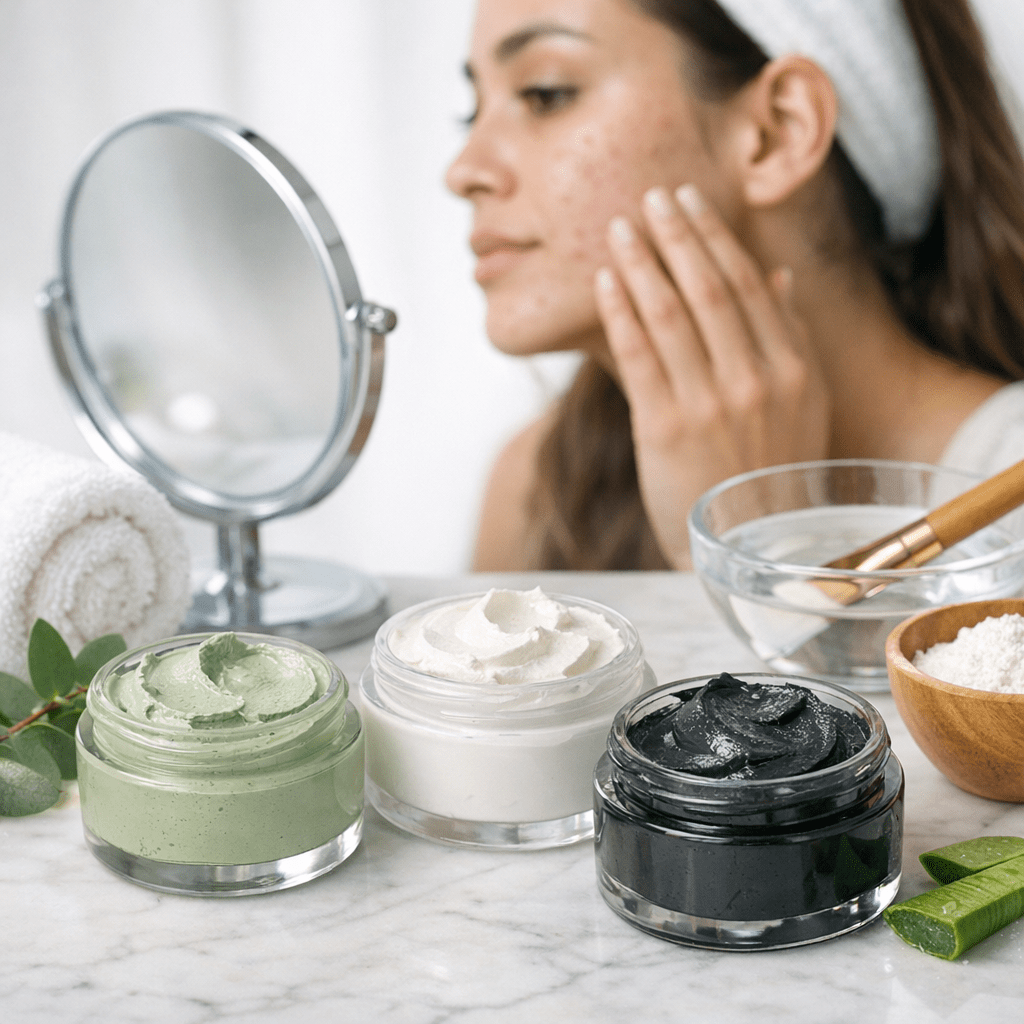
Acne scars are frustrating. They linger long after breakouts fade, stubborn little reminders of battles fought with your skin. But here’s the good news: the right facial mask can help minimize their appearance. The bad news? Choosing one can feel like walking into a skincare maze blindfolded. That’s where this guide comes in—we’re cutting through the noise to help you pick a mask that actually works for acne scars.
Let’s get straight into it, no fluff.
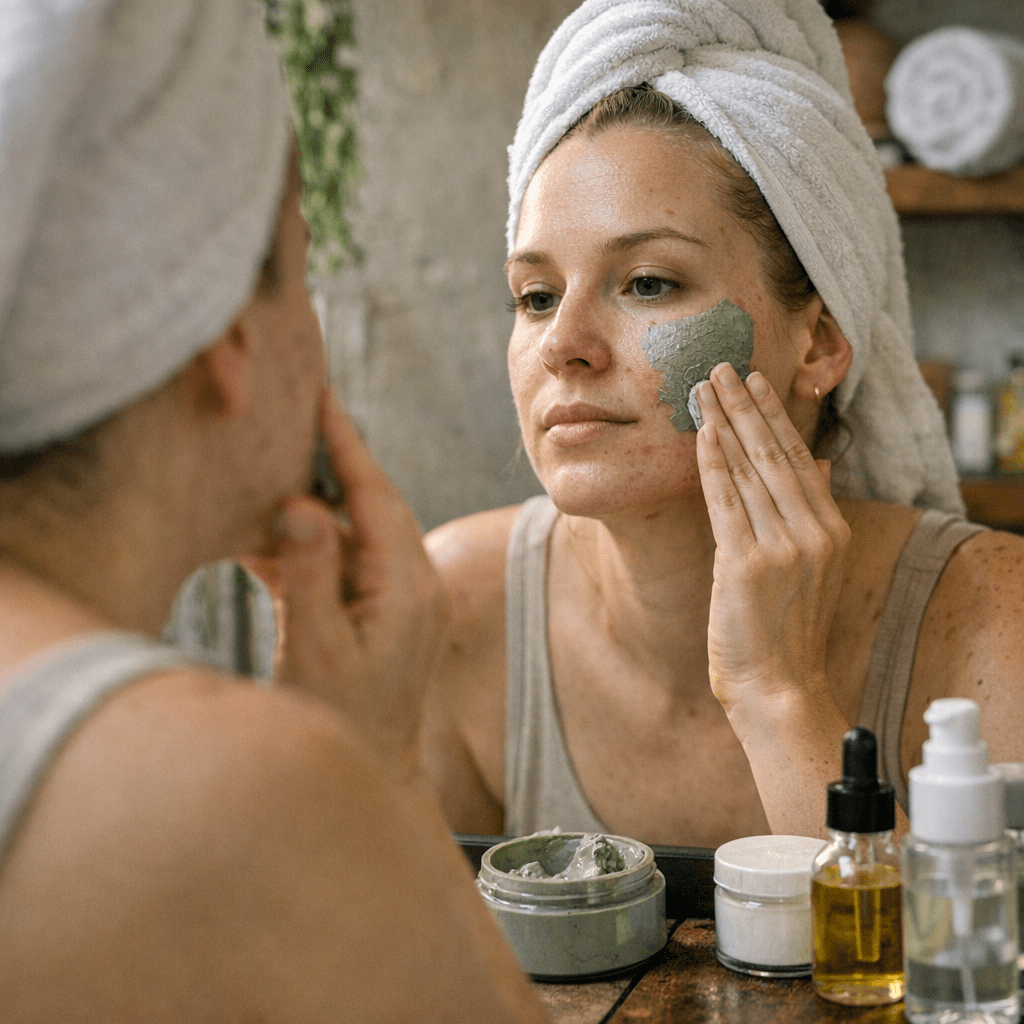
What Are You Trying to Achieve?
Before you slap on any mask, ask yourself this: what’s your goal? Are you trying to fade discoloration? Smooth out uneven texture? Or maybe both? Acne scars come in different forms—dark marks (post-inflammatory hyperpigmentation) and pitted scars (like icepick or boxcar)—and not every mask is equipped to handle all types.
For dark spots, you’ll want ingredients that brighten and even out skin tone, like niacinamide or vitamin C. On the other hand, textured scars call for something more exfoliating or collagen-boosting, like AHAs (alpha hydroxy acids) or peptides. Knowing what you’re targeting helps narrow down your options fast.
Key Ingredients That Matter
If you’re standing in front of a wall of masks at a store—or scrolling through endless product pages online—look at the ingredients panel first. Here are some heavy hitters tailored for acne scars:
1. Niacinamide
This multitasker reduces redness and fades dark spots over time without irritating sensitive skin. It’s great if your skin feels reactive after harsh treatments like chemical peels or retinol serums. Look for masks with at least 2–5% niacinamide for real results.
Example: A niacinamide cream-mask hybrid I tried smoothed my complexion over three weeks of bi-weekly use—even when I wasn’t consistent with sunscreen (don’t be me; wear SPF).
2. Vitamin C
Brightens skin while promoting collagen production—a win-win if you have both discoloration and mild textural concerns from scarring.
But here’s where it gets tricky: vitamin C is notoriously unstable in skincare formulations unless packaged well (airtight tubes are better than jars). If your mask smells sour or turns brown quickly, toss it—it’s oxidized and won’t do much for your skin anymore.
3. AHAs and BHAs
These exfoliants dissolve dead skin cells and unclog pores while smoothing fine lines over time—perfect if uneven texture is your biggest gripe.
- AHAs (like glycolic acid): Best for surface-level issues.
- BHAs (like salicylic acid): Go deeper into pores, which makes them ideal if you still deal with occasional breakouts alongside scars.
Pro tip: Start slow—a twice-a-week AHA/BHA mask can work wonders without frying your face.
4. Clay + Charcoal
For oily or combo skin types still battling active acne alongside scarring, clay-based masks help absorb excess oil without stripping moisture entirely.
Not convinced? I used a charcoal-and-kaolin clay mask during peak summer humidity last year—it didn’t magically erase my scars but kept breakouts under control so new scars couldn’t form as easily.
—
Match Your Mask to Your Skin Type
Here’s where most people mess up: they grab whatever product promises “brightening” or “scar repair” without thinking about their skin type first—and end up irritated or greasy by day two.
10 Best Hydrating Cleansers for Dry Skin Under $30: Practical Playbook with Real
Use this cheat sheet instead:
| Skin Type | What to Look For | Avoid This |
|——————–|——————————————————————————————————-|————————————————————|
| Oily/Combo | Clay-based masks; AHA/BHA formulas; lightweight hydrating masks | Heavy creams; anything overly occlusive |
| Dry | Hydrating masks with humectants like hyaluronic acid; repairing formulas with ceramides | Over-exfoliating treatments that strip natural oils |
| Sensitive | Soothing ingredients like aloe vera, chamomile, green tea extract | High concentrations of acids; synthetic fragrances |
| Normal | Lucky you—almost anything works! Stick to balanced formulas that address specific concerns though | Overloading on active ingredients just because “you can” |
—
Tradeoffs You Should Know About
No skincare product is perfect—not even those fancy $80 jars influencers rave about on TikTok (eye roll). When it comes to facial masks for acne scars, there are always tradeoffs depending on what route you take:
- Exfoliating Masks: These give quicker results but can irritate if overused.
- Brightening Masks: More gentle but usually require weeks before noticeable improvements.
- Hydrating/Repairing Masks: Great support players but don’t directly target discoloration or texture—you’ll need other products in your routine too.
It’s okay if the first option isn’t a home run! Skin reacts differently based on diet, stress levels (hello deadlines!), and even seasonal weather changes.
—
DIY vs Store-Bought Masks: Is One Better?
Ah yes—the eternal debate between whipping up avocado-honey concoctions at home versus buying something pre-made off Sephora shelves.
Here’s my take: DIY works sometimes, but acne scar care needs consistency and proven actives that are tricky to replicate in your kitchen lab.
For instance:
How to Choose the Right Toner for Acne-Prone Skin: Practical Playbook with Real
- Turmeric masks might help brighten slightly but won’t match the potency of stabilized vitamin C.
- Honey soothes irritation but doesn’t do much for pitted scars.
If budget constraints lead you toward homemade solutions short-term, go ahead—but supplement them later with scientifically backed formulations when possible.
Want an idea of how pro-grade products compare? Learn more.
—
My Honest Routine Tweaks That Actually Worked
I’ve been there—spending way too much money chasing miracle products that didn’t deliver squat. Here’s what finally helped me see actual progress:
1. Rotating between an AHA mask twice weekly (exfoliation) and a hydrating overnight gel-mask midweek (recovery).
2. Pairing masking sessions with sunscreen religiously—you cannot skip SPF unless fading dark marks isn’t important to you.
3. Swapping out drying clay masks during winter when my combo skin leaned drier than usual…rookie mistake I made one season too many!
If you’re curious about gentle exfoliators that pair well post-mask session, check out this list of 12 best exfoliating polishes under $30.
—
Final Thoughts: Keep It Simple
Here’s the bottom line: picking the right facial mask for acne scars doesn’t need to be complicated—but it does require patience and trial-and-error. Start small with one solid option tailored to your needs instead of hoarding five random jars from Instagram ads all at once (been there). And remember: consistency beats perfection every single time when it comes to skincare success stories!
Need more tips on refining each step of your routine? Take a look at how toners can tighten pores effectively here.
Related Links