
Blog
How to Choose the Right Vitamin C Treatment for Dark Spots Under $30: Practical Playbook with Real Examples
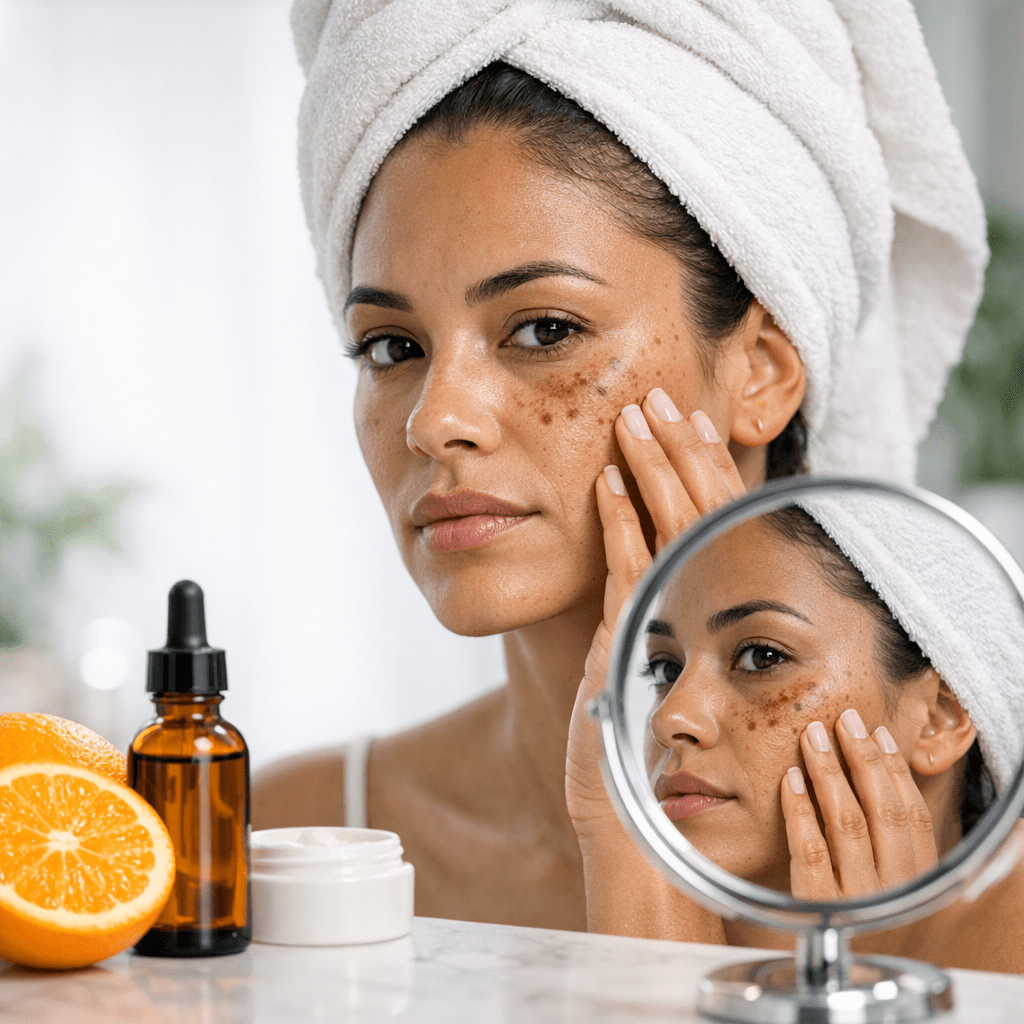
Dark spots are one of those skin issues that seem small but can feel huge when you’re staring at them in the mirror every morning. If you’ve ever spent hours Googling “how to fade dark spots” or testing random products from drugstore shelves, you’re not alone. And let’s be real—most of us don’t have hundreds to drop on fancy serums with questionable results.
The good news? You don’t need a $90 product to see improvement. Vitamin C treatments under $30 can work wonders—if you pick the right one. But here’s where it gets tricky: not all budget-friendly options deliver what they promise. Some are diluted, others oxidize too quickly, and a few are just all-around disappointing.
In this guide, we’ll cut through the noise and help you zero in on what actually works without breaking the bank.
In this article, you’ll discover:
1. The key ingredients and formulations that make a Vitamin C treatment effective.
2. 5 top-rated picks under $30, backed by real-world reviews.
3. Common mistakes people make when choosing (and using!) these products.
Let’s get started—and save your skin and your wallet while we’re at it.
Why You Need Vitamin C for Dark Spots (And What Happens If You Skip It)
Here’s the deal: dark spots don’t fade on their own unless you address them directly. Whether they’re from acne scars, sun exposure, or hormonal changes, leaving them untreated means living with uneven skin tone indefinitely—or worse, watching new ones pop up over time.
Vitamin C is like a double agent for your skin:
- It fades pigmentation by inhibiting melanin production.
- It protects your skin from free radicals caused by UV rays and pollution (think of it as an antioxidant shield).
- It brightens your complexion, giving you that glow everyone chases but rarely achieves with makeup alone.
But here’s the catch: not all products labeled “Vitamin C” are created equal. Choose wrong, and you’ll end up with either no results or irritated skin that makes things worse.
Key takeaway: Skipping Vitamin C means missing out on its powerful benefits for addressing pigmentation and preventing future damage—but choosing poorly can backfire.
Quick Navigation
1. The 3 Things That Make or Break a Vitamin C Product
2. 5 Best Affordable Vitamin C Treatments Under $30
3. Common Myths About Using Vitamin C for Dark Spots
Also worth reading: 10 Best Budget
4. How to Use Vitamin C Correctly for Fast Results
5. FAQ Section
The 3 Things That Make or Break a Vitamin C Product
Not sure what separates winners from duds? Let me break it down:
1. The Right Type of Vitamin C Is Non-Negotiable
Not every “Vitamin C” ingredient is equally effective—or stable! The most common forms you’ll see include:
- L-Ascorbic Acid (LAA): The gold standard but highly unstable unless formulated correctly.
- Sodium Ascorbyl Phosphate (SAP): Gentler and more stable; great if LAA irritates your skin.
- Magnesium Ascorbyl Phosphate (MAP): Ideal for sensitive skin; also known to hydrate while brightening.
If you’re prone to irritation or dryness, steer clear of high concentrations of LAA unless it’s paired with soothing ingredients like hyaluronic acid or ferulic acid.
2. Concentration Matters
Look for products with at least 10% concentration—but avoid going beyond 20%. Higher isn’t always better; above 20%, irritation outweighs benefits for most people.
3. Packaging Makes All the Difference
Vitamin C degrades fast when exposed to light or air, so avoid clear bottles or jars that aren’t airtight! Opt for opaque packaging with pumps or droppers instead.
Key takeaway: Focus on type (LAA vs SAP/MAP), concentration (10–20%), and packaging to ensure effectiveness without waste.
5 Best Affordable Vitamin C Treatments Under $30
Here are five standout options worth considering—all under $30:
1. The Ordinary Ascorbic Acid 8% + Alpha Arbutin 2% ($13) 🏆
Combines pure L-Ascorbic Acid with alpha arbutin—a powerhouse duo for tackling dark spots head-on without breaking the bank.
✅ Pros: Lightweight texture; absorbs quickly without stickiness
⚠️ Cons: Might be too strong if you’re new to actives
Who it’s best for: Those targeting stubborn hyperpigmentation who already tolerate acids well.
2. TruSkin Naturals Vitamin C Serum ($19)
This Amazon favorite contains Sodium Ascorbyl Phosphate alongside vitamin E and hyaluronic acid—perfect if your skin leans sensitive but still needs results.
✅ Pros: Gentle yet effective; hydrating formula minimizes dryness risk
❌ Cons: Slightly sticky finish (better suited for nighttime use)
Who it’s best for: Beginners looking to dip their toes into vitamin C without risking irritation.
Related guide: 10 Best Hydrating Cleansers for Dry Skin
3. Maelove Glow Maker ($28)
Dubbed a “dupe” for high-end options like SkinCeuticals CE Ferulic, Glow Maker offers L-Ascorbic Acid paired with ferulic acid and vitamin E—all in an airtight pump bottle!
✅ Pros: High-quality formulation at an accessible price point
⚠️ Cons: Sells out frequently due to hype
Who it’s best for: Budget-conscious skincare junkies chasing pro-level performance.
4. E.l.f Beauty Shield Vitamin-C Serum ($16)
Don’t sleep on e.l.f.—their affordable serum delivers stabilized vitamin C alongside antioxidants like pomegranate extract in sleek opaque packaging!
✅ Pros: Travel-friendly size; non-greasy formula layers well under makeup
❌ Cons: Light citrus fragrance may bother some users
Who it’s best for: On-the-go multitaskers who need something reliable yet portable.
5. Bliss Bright Idea Serum ($24)
This gel serum features clinical-grade vitamin C plus peptides—a rare find in this price range that’s ideal if firmness is also a concern!
✅ Pros: Brightens while improving elasticity over time
❌ Cons: May take longer than others before showing noticeable fading effects
Who it’s best for:* Those dealing with both discoloration and early signs of aging*