
Blog
How to Choose the Safest Mineral-Based Sunscreen for Daily Use: Practical Playbook with Real Examples
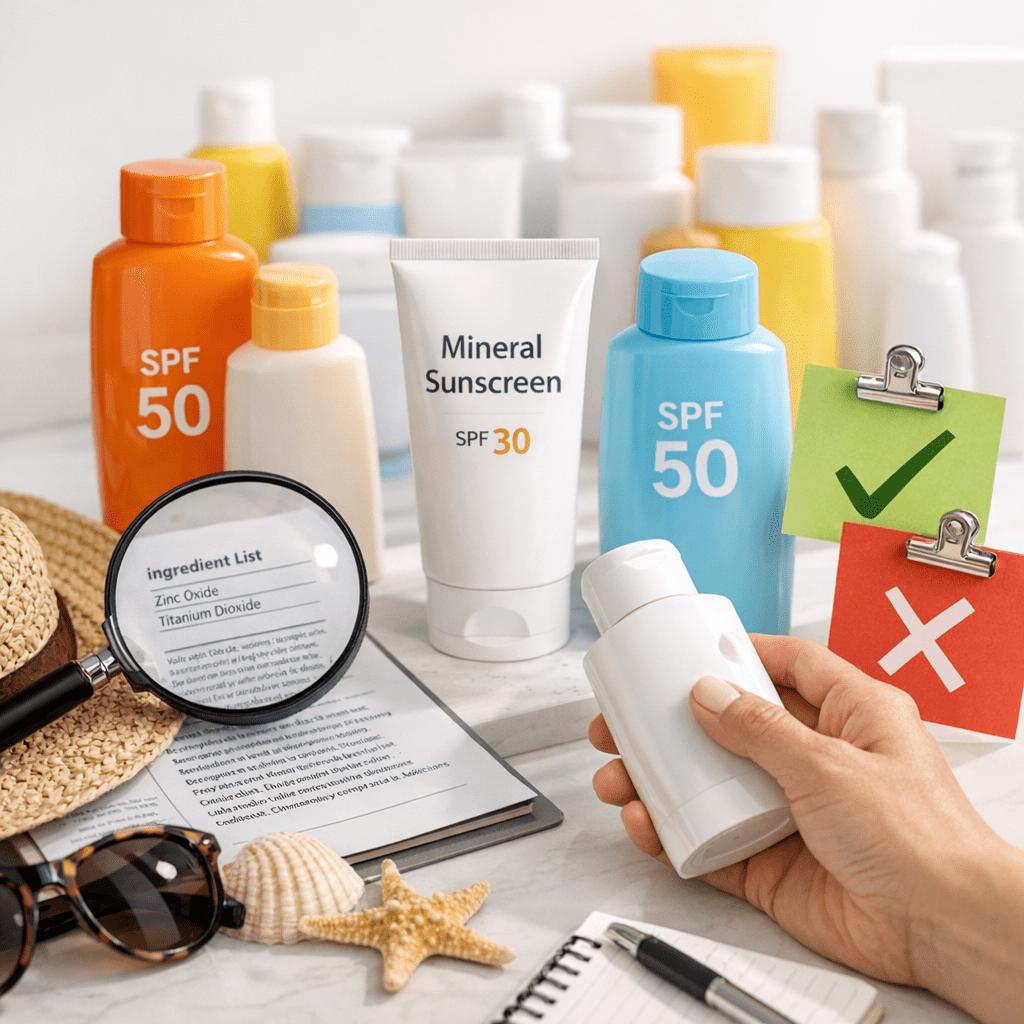
Let’s be honest—choosing a sunscreen can feel like navigating a minefield. There’s the endless aisle of options, cryptic ingredient lists, and conflicting advice from every beauty blog under the sun (pun intended). If you’ve landed here, chances are you’re interested in mineral-based sunscreens because they’re often hyped as “cleaner” and safer alternatives. But not all mineral sunscreens are created equal. Some leave you looking ghostly white or feeling like your face is covered in chalk, while others quietly sneak in questionable ingredients despite bold claims on the label.
So how do you find one that actually protects your skin without making you hate life every time you apply it? Let’s break this down step by step.
What Makes a Sunscreen “Mineral-Based”?
First things first: mineral-based sunscreens rely on physical blockers—zinc oxide, titanium dioxide, or both—to protect your skin. These minerals sit on top of your skin and physically deflect UV rays instead of being absorbed like chemical sunscreens (which use active ingredients such as oxybenzone or avobenzone). That’s why they’re often touted as safer, especially for sensitive skin or kids.
But here’s what nobody tells you: The term “mineral-based” doesn’t always mean 100% clean or safe. Some brands add things like synthetic fragrances, silicones, or even nanoparticles—tiny particles of zinc or titanium that might penetrate deeper than intended (the research isn’t fully settled yet). So yeah, there’s more nuance here than just grabbing any bottle labeled “mineral.”
Key Features to Look For in Safe Mineral Sunscreens
To narrow things down, here’s what separates a great mineral sunscreen from a regret-in-a-bottle situation:
1. Non-Nano Zinc Oxide and/or Titanium Dioxide
This is non-negotiable if safety is your top priority. Non-nano simply means the particles are too big to penetrate your skin barrier and enter your bloodstream—a concern with nano-sized formulations. Most reputable brands will clearly state “non-nano” on their labels because it’s a selling point they want you to see.
Pro Tip: If it doesn’t say non-nano anywhere on the packaging or website? Assume it isn’t and move on.
2. Broad-Spectrum Protection
Always check for “broad spectrum” certification on the label—it ensures protection against both UVA (aging rays) and UVB (burning rays). Even some well-known mineral sunscreens skimp out here by focusing more heavily on UVB protection.
3. Fragrance-Free Formulas
Mineral sunscreens with added fragrances can irritate sensitive skin—and let’s face it, no one wants their sunscreen smelling like cheap perfume at 9 AM anyway. Look for fragrance-free formulas instead.
4. SPF Between 30-50
Anything below SPF 30 doesn’t cut it for daily use (we’re not in middle school anymore), but going above SPF 50 adds little extra benefit while increasing texture issues like greasiness.
5. Minimal White Cast
Ah yes—the dreaded ghost face effect of early-generation mineral sunscreens still haunts us all. Thankfully, newer formulations have made strides here with tinted options or better blends that don’t make darker skin tones look ashy.
—
Real-World Examples of Standout Mineral Sunscreens in 2026
Alright, let’s get into specifics because vague advice isn’t helpful when you’re staring at shelves full of products claiming to be “natural” and “clean.” Based on personal testing and feedback from dermatologists we trust, these are some notable options:
10 Best Fragrance-Free Night Creams for Hydrated Skin in Winter: Practical Playb
| Sunscreen Name | Key Ingredient(s) | Who It Works Best For | Price Range | White Cast Rating* |
|————————–|————————|————————————————|—————-|————————|
| EltaMD UV Pure SPF 47 | Zinc Oxide + Titanium Dioxide | Sensitive/Acne-Prone Skin | $36-$40 | Minimal |
| Blue Lizard Sensitive SPF 30 | Zinc Oxide | Budget-Friendly Option | $15-$20 | Moderate |
| ISDIN Eryfotona Actinica SPF 50+ | Zinc Oxide | Aging Skin/Hyperpigmentation Concerns | $60-$65 | None |
| Pipette Mineral Sunscreen SPF 50 | Zinc Oxide + Plant-Derived Ingredients | Family/Kids | $12-$15 | Slight |
(*White cast rating is subjective based on user feedback.)
—
Common Tradeoffs You’ll Encounter
Here’s where things get tricky: no sunscreen hits every mark perfectly—it comes down to compromises based on your priorities.
1. Texture vs Performance: Some ultra-light options may not hold up during sweaty workouts but feel amazing under makeup.
2. Cost vs Quality: Higher-end brands often nail texture and wearability but aren’t always friendly to your wallet.
3. Eco-Friendly Packaging vs Convenience: Sustainable packaging is great until it’s so difficult to squeeze product out that half ends up wasted.
4. Tinted vs Non-Tinted Options: Tinted versions help eliminate white cast—but finding one that matches your skin tone can be an adventure in itself.
7 Best Clean Beauty Products Under $50 That Actually Work: Practical Playbook wi
I’ll admit I’ve been through my share of misses trying to find balance across these factors—but once you land on something that works for you, it becomes part of your routine effortlessly.
—
Red Flags When Shopping for Mineral-Based Sunscreen
Not everything labeled “mineral” deserves a free pass! Watch out for:
- Unnecessary Fillers: Polysilicone-11? Dimethicone? PEG compounds? These can clog pores if you’re acne-prone.
- Misleading Labels: Terms like “natural” or “organic” mean nothing unless certified by USDA Organic standards—or backed by science.
- SPF Ratings Overkill: Anything above SPF100 tends to overpromise; focus instead on frequent reapplication (every two hours outdoors).
—
Bonus Tips for Smarter Sunscreen Use
Just buying sunscreen isn’t enough—you need solid habits too:
- Apply generously! Studies show most people only use about half the amount needed.
- Don’t skip often-missed spots like ears/hairline/hands.
- Reapply even if you’re indoors; UVA rays can penetrate windows.
- Pair with other protection—think hats/sunglasses—to save yourself future wrinkles and dermatologist bills.
For acne-prone folks struggling with sunscreen breakouts specifically? Learn more about non-comedogenic picks tailored just for you.
—
Wrapping It Up: Your Perfect Match Is Out There
Choosing the safest mineral-based sunscreen involves equal parts detective work and trial-and-error testing—but once you’ve nailed it? Game changer! Whether it’s avoiding harmful chemicals around kids or keeping your face breakout-free while staying protected from harmful rays year-round…it pays off big time.
If you’re working towards an all-around cleaner skincare routine beyond just sun care essentials though—why stop there? You might want to learn more about eco-friendly makeup removers next! And hey—if clean beauty foundations interest you too—they’re covered here.
Your future self will thank today-you when those protective habits pay off years down line!
Related Links