
Blog
How to Layer Peptide Skincare Products for Maximum Anti-Aging Benefits: Practical Playbook with Real Examples
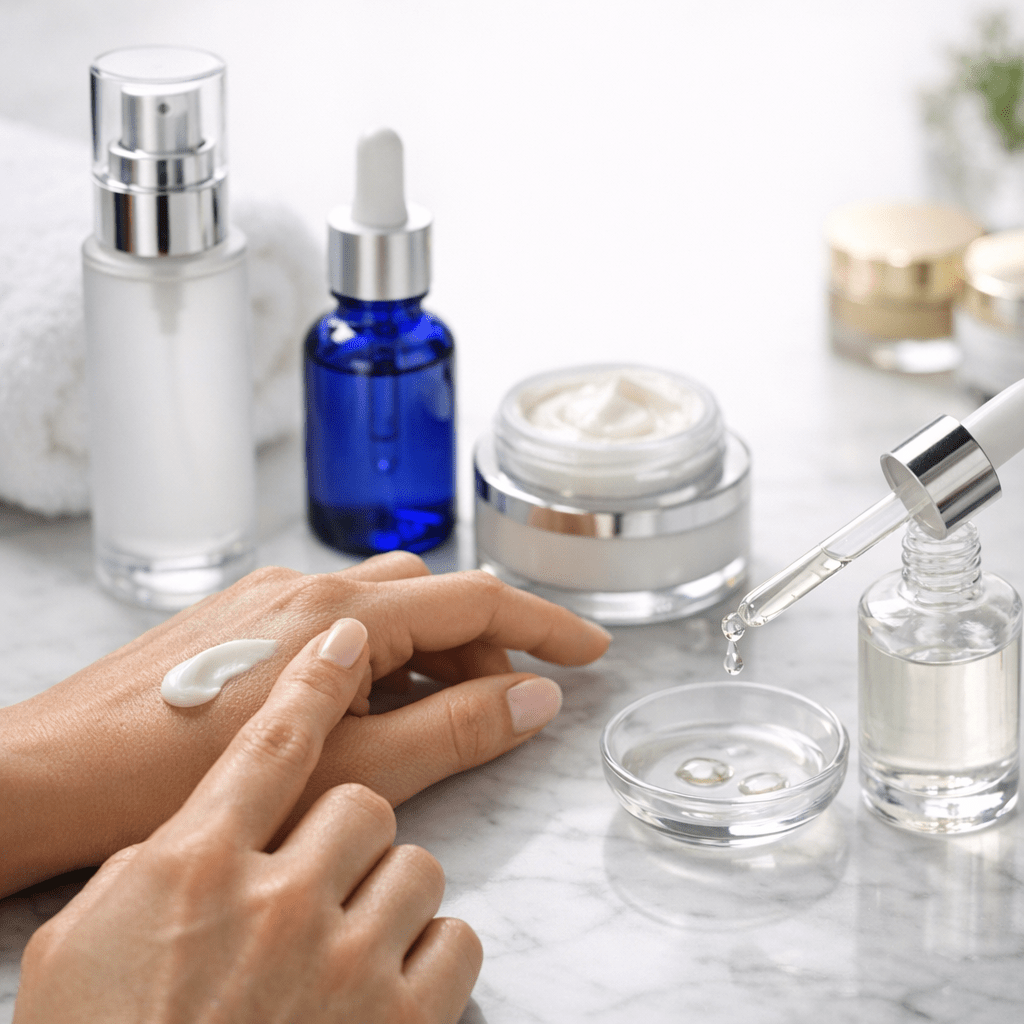
Here’s the deal: peptides are one of those skincare ingredients that sound a little too good to be true. They promise firmer skin, fewer wrinkles, and better hydration—basically everything you’re looking for if anti-aging is your goal. But here’s where most people mess up: they don’t know how to layer peptide products correctly, which means they’re not getting the full benefits. If you’ve ever spent good money on a fancy serum only to wonder why nothing’s happening, this guide is for you.
Let’s cut through the noise and talk about how to actually use peptides in your routine so they work as hard as you need them to.
—
First Things First: Why Peptides Matter
Peptides are essentially short chains of amino acids that act as building blocks for proteins like collagen and elastin—the stuff that keeps your skin firm and smooth. As we enter our 30s, 40s, and beyond, collagen production starts dropping off a cliff (by around 1% every year after your mid-20s). That’s why peptides have become such a big deal; they signal your skin to produce more collagen and repair itself.
But here’s the catch: peptides aren’t miracle workers on their own. They need the right environment on your skin—and that comes down to how you layer them with other products.
—
The Golden Rule of Layering: Thinnest to Thickest
If there’s one thing you take away from this article, let it be this: always apply products from thinnest consistency to thickest. Why? Because lightweight serums or liquids penetrate deeper into your skin than heavier creams or oils. If you layer incorrectly—say slapping on a thick moisturizer before your peptide serum—you’re blocking absorption and wasting product.
So how should a peptide-focused routine look? Let me break it down step by step.
—
Step 1: Start Clean (But Go Gentle)
Your first step is cleansing, but don’t overdo it. Stripping your skin with harsh cleansers can disrupt its barrier, making it harder for peptides to do their job later. Stick with something mild like Cetaphil Gentle Skin Cleanser or Neutrogena Hydro Boost Hydrating Cleansing Gel—both are solid options that won’t leave your face feeling tight or dry.
If you’re wearing makeup or sunscreen (and let’s be real, you should be wearing sunscreen), double cleanse by starting with an oil-based cleanser like DHC Deep Cleansing Oil before moving on to your water-based cleanser.
—
Step 2: Apply Toner (Optional but Helpful)
Toner isn’t mandatory in everyone’s routine, but it can help hydrate the skin and prepare it for serums. Look for something alcohol-free—hydrating toners like Thayers Witch Hazel Toner (the one without alcohol) are great if you’re prone to dryness.
—
Step 3: Use Your Peptide Serum
Now we’re getting into the meat of things. Your peptide serum goes next since it’s usually lightweight and designed for maximum absorption at this stage. A few popular options include The Ordinary “Buffet” + Copper Peptides 1%, which combines multiple types of peptides along with copper (great for wound healing), or Paula’s Choice Peptide Booster, which works well if you’re layering multiple active ingredients since it plays nicely with others.
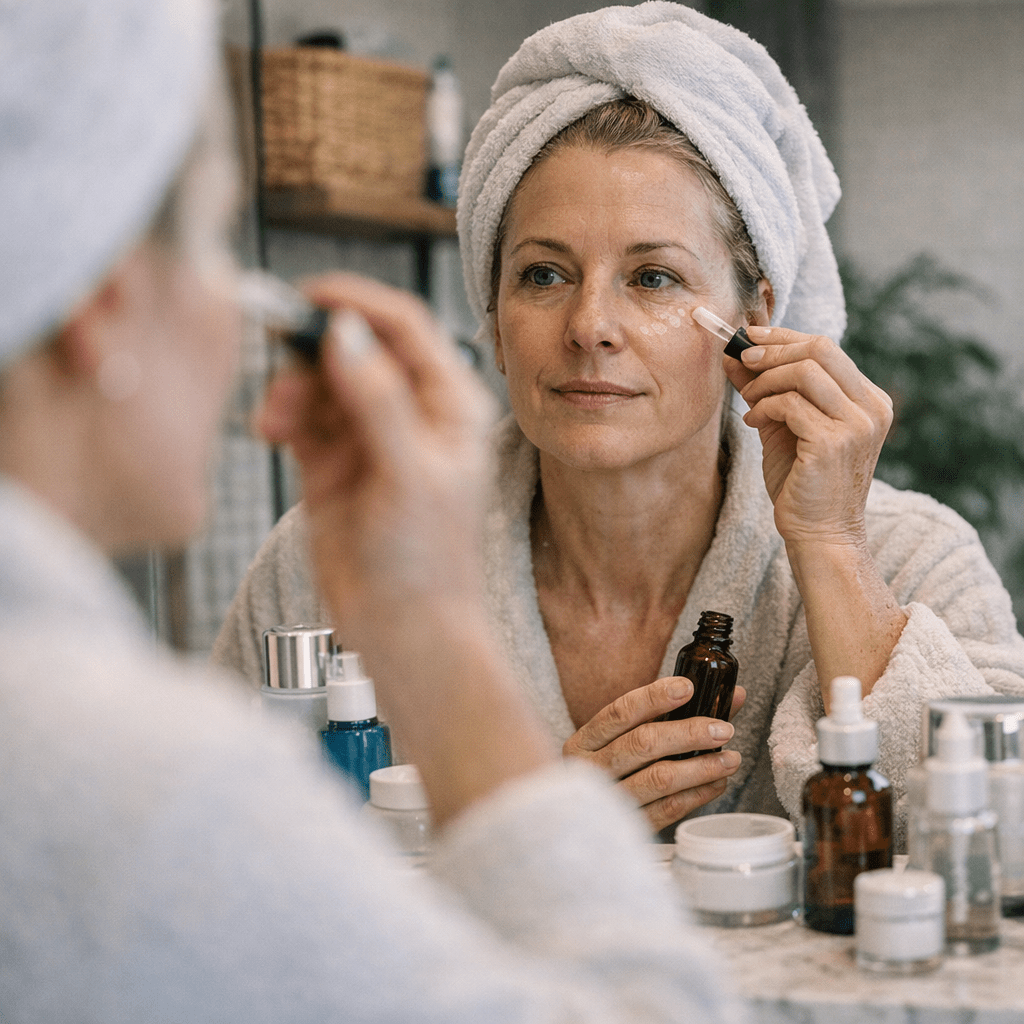
Apply 3–4 drops directly onto clean, slightly damp skin—it helps serums absorb better—then gently press it in with your fingertips instead of rubbing.
13 Best Plant-Based Moisturizers for Oily Skin in 2026: Practical Playbook with
—
Step 4: Add Other Serums (If Needed)
Here’s where things get tricky if you’re using multiple actives like vitamin C or retinol alongside peptides. Not all ingredients play well together! For example:
- Do pair peptides with hyaluronic acid – It enhances hydration without interfering.
- Avoid mixing peptides directly with strong acids – AHAs/BHAs can break down certain types of peptides, rendering them useless.
- Be cautious pairing retinol and peptides at the same time – While not inherently bad together, layering too many actives in one go can irritate sensitive skin.
If you’re using vitamin C (like L-ascorbic acid), apply that first since it’s highly pH-dependent and needs direct contact with bare skin to work effectively. Then follow up with your peptide serum afterward.
—
Step 5: Seal It In With Moisturizer
After applying all serums—including any additional ones—lock everything in place with a good moisturizer suited for your skin type. For aging concerns, look for moisturizers packed with ceramides or niacinamide; these ingredients boost hydration while strengthening the skin barrier so those precious peptides stay put longer.
Some solid choices include:
- La Roche-Posay Toleriane Double Repair Face Moisturizer
- CeraVe PM Facial Moisturizing Lotion
Pro tip: Wait about two minutes after applying each layer so everything has time to absorb properly before slapping on the next product.
—
Step 6: Don’t Forget Sunscreen in AM Routines
This is non-negotiable if you’re serious about anti-aging (or just healthy skin in general). UV damage breaks down collagen faster than anything else—even faster than time itself—so no matter how expensive your peptide serum is, skipping SPF makes it pointless during daytime routines.
Use a broad-spectrum sunscreen SPF 30+ as the final step in the morning. Need help picking one? Learn more.
—
Cheat Sheet Table: When/Where To Use
| Product Type | Example Product | When To Apply |
|——————–|———————————–|————————-|
| Cleanser | Cetaphil Gentle Skin Cleanser | Morning & Night |
| Toner | Thayers Alcohol-Free Toner | After cleansing |
7 Best Clean Beauty Products Under $50 That Actually Work: Practical Playbook wi
| Peptide Serum | The Ordinary Buffet + Copper | Before other serums |
| Moisturizer | CeraVe PM Lotion | After serums |
| Sunscreen | EltaMD UV Clear Broad-Spectrum | Final AM step |
—
Common Mistakes People Make With Peptides
Let me save you from some rookie moves I’ve seen way too often:
1. Overloading Actives: Using five different potent ingredients at once sounds ambitious but often leads to irritation—or worse—counteracting benefits.
2. Skipping Consistency: No product delivers miracles overnight; give peptides at least six weeks of consistent use before judging results.
3. Ignoring Sun Protection: This bears repeating because I see people complain about fine lines while skipping SPF daily—it doesn’t work that way!
If you’d rather kick-start smoother skin overnight without risking sensitivity overload from stronger actives like retinol just yet? Check out this guide on gentler alternatives that complement peptide routines beautifully.
—
Final Thoughts
Layering skincare gets overwhelming fast—but when done right? It works. Peptides may not offer Botox-level results instantly, but they’re fantastic long-term players in rebuilding lost collagen and keeping wrinkles at bay when paired strategically within a routine focused on hydration + protection above all else.
Got stubborn dry patches slowing progress mid-winter? Pairing weekly hydrating masks into rotation could also amplify results big-time—learn more.
Related Links