
Blog
How to Layer Toners and Astringents for Maximum Benefits: Practical Playbook with Real Examples
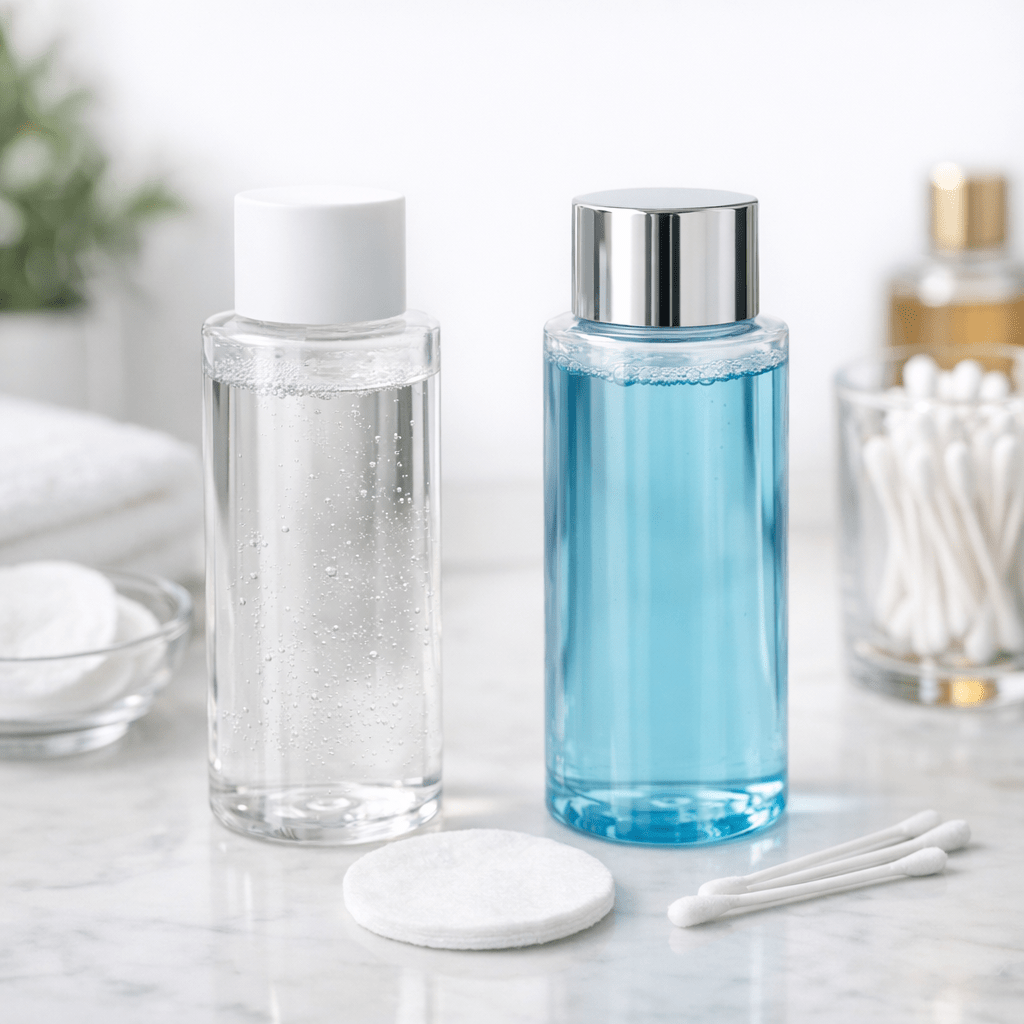
Here’s the thing: toners and astringents might seem like interchangeable products, but they’re not. And if you’re just slapping them on without a plan, you’re probably not getting the full benefits—or worse, irritating your skin. Figuring out how to layer these two properly can make or break your skincare routine. Let’s cut through the noise and get real about what works, what doesn’t, and how to do it right.
The Basics: What’s the Difference Between Toners and Astringents?
Toners are like that friend who gets along with everyone. They’re designed to hydrate, refresh, and prep your skin after cleansing. Depending on their formula, they might also soothe redness or gently exfoliate. Think of them as skincare multitaskers—hydration meets treatment in one go.
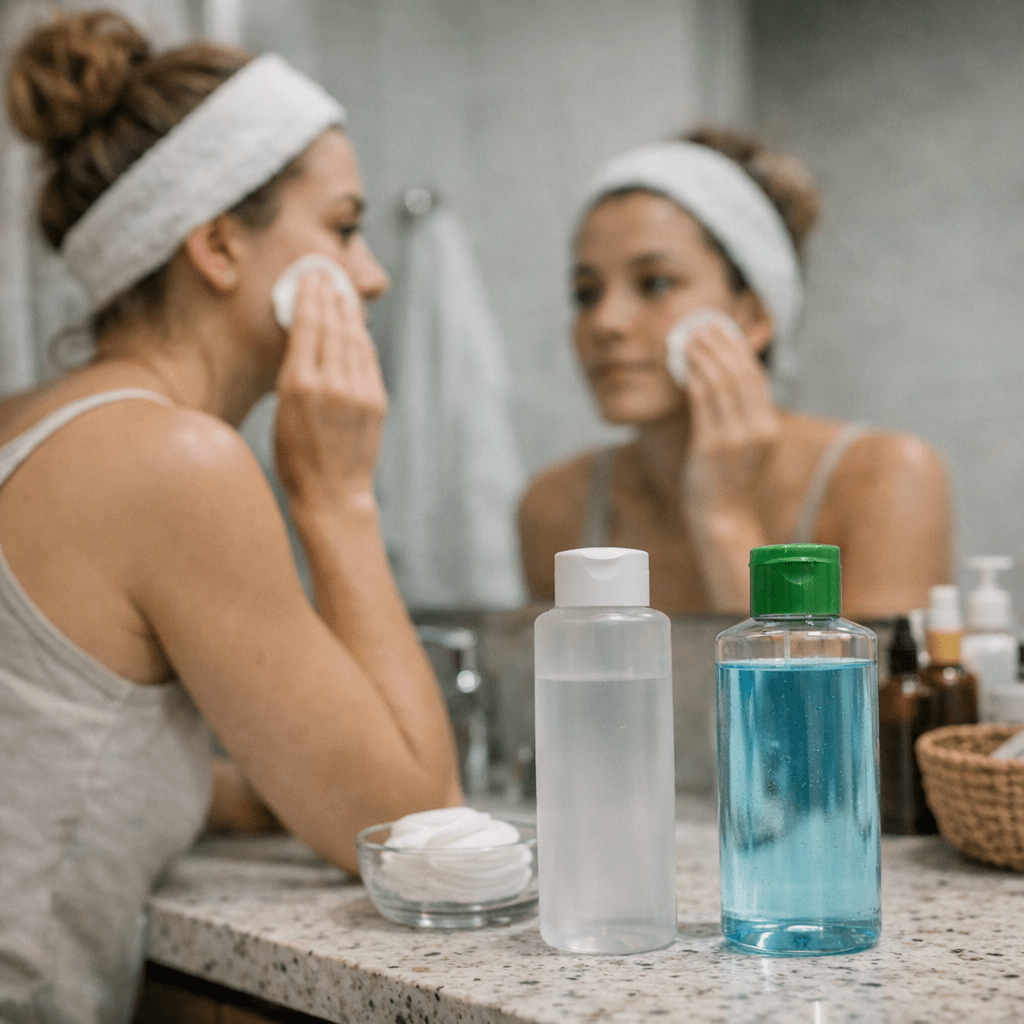
Astringents? They’ve got a bit more bite. These are alcohol- or witch hazel-based products meant to tighten pores and reduce oiliness. If you’ve got oily or acne-prone skin, they can feel like a godsend by cutting through grease and leaving your face matte. But here’s the rub: overusing an astringent can strip your skin dry faster than a cheap bar soap in winter.
Can You Use Both? Yes—But There’s a Catch
The short answer is yes, you absolutely can use both toners and astringents in one routine. But should you? That depends entirely on two things:
1. Your skin type
2. How carefully you pay attention to your products’ ingredients
If you’ve got combination or oily skin, layering these two can be a great strategy—but only if you’re smart about it. For drier or sensitive types (you know who you are), this combo is trickier but doable with some adjustments.
—
Real Talk: Why Layering Matters
Layering isn’t just about slapping one product on top of another—it’s about timing and compatibility between formulas. You wouldn’t mix oil into water without some effort; skincare is no different.
Here’s why layering specifically matters for toners and astringents:
- Toners help restore hydration after cleansing strips away moisture.
- Astringents, when applied after toner, target specific concerns like pore tightening without turning your whole face into sandpaper.
When done correctly, layering maximizes each product’s benefits while minimizing potential irritation.
—
Step-by-Step Guide to Layering Toners and Astringents
So how do you actually pull off this combination without wrecking your skin barrier? Here’s my go-to method that balances effectiveness with practicality:
1️⃣ Start With Clean Skin
Obvious? Sure—but it needs saying because too many people rush through cleansing like it’s an afterthought. Use something gentle but effective enough to remove dirt, sunscreen, or makeup without leaving residue behind (hint: double cleansing works wonders). Skip harsh cleansers that leave your face feeling tight—you’ll end up overcompensating later with too much toner or moisturizer.
10 Best Vitamin C Facial Kits for Glowing Skin in 2026
If you’re unsure what cleanser suits your routine best, learn more about building routines tailored for common skincare goals.
—
2️⃣ Apply Your Toner First
This step is non-negotiable if hydration is even remotely important to you (spoiler alert: hydration is always important). Use a cotton pad or just pour some into clean hands—either way works—and gently press it into your skin rather than rubbing it around aggressively.
What kind of toner should you use here? Look for ingredients like hyaluronic acid if hydration is key or salicylic acid if you’re tackling mild breakouts or clogged pores. Avoid alcohol-heavy formulas unless you’re targeting very specific issues like active acne spots—a point we’ll circle back to later when discussing tradeoffs.
—
3️⃣ Wait Before Adding Your Astringent
Patience pays off here! Give the toner at least 30 seconds (a full minute is even better) so it can absorb properly before moving onto the next step.
Now comes decision time: how often do you really need an astringent? Daily use is overkill for most people unless you’re dealing with ultra-oily skin—and even then I’d suggest sticking to 2–3 times per week max for best results.
—
4️⃣ Spot-Treat With Astringent
Here’s where most people mess up: applying their astringent everywhere instead of focusing on problem areas only! Unless every inch of your face produces excess oil (unlikely), stick to targeted zones like your T-zone (forehead/nose/chin) where shine tends to build up fastest.
Pro tip: dab it on lightly with another cotton pad rather than soaking half the bottle onto one swipe—you don’t want dryness sneaking up later in the day.
—
5️⃣ Follow Up With Moisturizer
Yes—even oily-skinned folks need moisturizer post-astringent! Skipping this step leaves room for dehydration-triggered oil production chaos down the line—not fun when balance was what we were aiming for all along… Pick something lightweight yet hydrating so layers don’t feel heavy under sunscreen/makeup during daytime wear periods either!
Want more guidance piecing together custom regimens beyond basics listed above here today alone though?: check out our playbook tips linked.
10 Best Hydrating Cleansers for Dry Skin Under $30: Practical Playbook with Real
—
Common Pitfalls (& How To Avoid Them)
Let me save you some trouble by pointing out where most people trip up when trying this routine:
Mistake #1: Using alcohol-based products back-to-back
Solution: Stick with hydrating toners first if pairing alongside strong actives upfront already beforehand anyway otherwise risk compounding unnecessary irritation signs breaking barrier harm easily worsened overtime longer term too unnecessarily meanwhile impacting outcomes adversely inadvertently altogether ultimately overall net-net result-wise downstream outcomes being naturally worst-case scenario avoidable entirely unnecessary really realistically plausible letdowns..
Mistake #2: Skipping patch tests entirely! Never “assume” anything potentially unfamiliar/newly-introduced formulations regardless hype heard marketing phrases hyped-
More pitfalls/fix-it scenarios table below summarizing finer nuances succinctly summarized helpful practical purposes alike mentioned succinct earlier again reiterated table markdown visible:
| Issue | Why It Happens | Fix It By… |
|———————-|————————————|—————————————–|
| Over-drying | Too much/Too aggressive | Scale frequency reduce alternate usage days balanced|
etc
Related Links