
Blog
How to Use Clay Mask for Clogged Pores and Blackheads Effectively: Practical Playbook with Real Examples
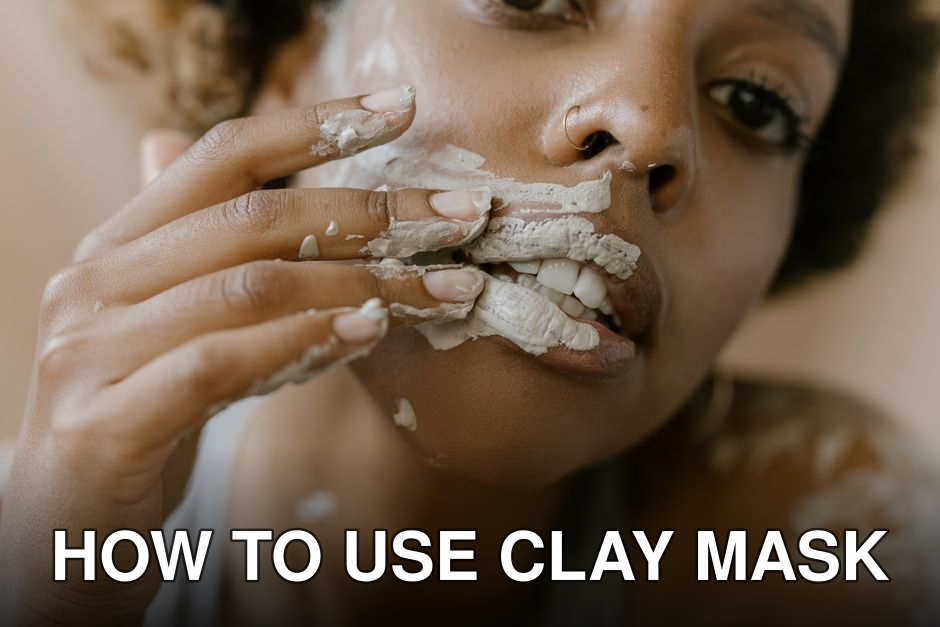
Remember Sarah, my friend who spent years battling persistent blackheads around her nose and chin? She tried everything from harsh scrubs to peel-off masks, only to end up with red, irritated skin and still, those stubborn little dots staring back. It’s a frustrating cycle, isn’t it? You want clear skin, you try to fix it, and sometimes you just make it worse.
The truth is, those pesky clogged pores and blackheads aren’t just a cosmetic annoyance; they’re often a sign your skin needs a deeper, more targeted approach. Ignoring them can lead to inflammation, breakouts, and even texture issues that are far tougher to tackle down the line. But what if I told you there’s a simple, ancient remedy, refined for 2026 skincare, that can genuinely transform your complexion without stripping it dry? Using a clay mask for clogged pores and blackheads effectively isn’t just about slapping it on; it’s about understanding the science and mastering the technique.
In this guide, you’ll discover:
- Why some clay masks work wonders while others just disappoint.
- The exact 5-step method I use and recommend for maximum pore purification.
- Common mistakes that sabotage your results and how to avoid them.
Quick Navigation
- The Brutal Truth About Clogged Pores and Blackheads (and Why They Stick Around)
- Not All Clay Masks Are Created Equal: Picking the Right One for Your Skin
- The 5-Step Proven Method: How to Use Clay Mask for Clogged Pores and Blackheads Effectively
- Common Pitfalls: 3 Mistakes That Undermine Your Clay Mask Results
- Beyond the Mask: Integrating Clay into Your 2026 Skincare Arsenal
- Frequently Asked Questions
The Brutal Truth About Clogged Pores and Blackheads (and Why They Stick Around)
Let’s get real. Nobody likes seeing those tiny dark spots on their nose or feeling bumps under their skin. Clogged pores happen when dead skin cells, excess oil (sebum), and environmental debris like pollution get trapped inside your hair follicles. If these clogged pores remain open to the air, the trapped sebum oxidizes and turns dark, forming a blackhead. If the pore is closed, it becomes a whitehead. It’s a never-ending cycle, or at least it feels that way.
You might be thinking, “I wash my face twice a day, why do I still have them?” That’s a fair question, and it’s the most common one I get. The obvious counterargument is that standard cleansing often doesn’t reach deep enough. While a good cleanser removes surface grime, it rarely has the pulling power to truly extract the compacted gunk from within a pore. Think about it: you’re trying to clear a tiny, deep tunnel with just a surface wipe. It simply isn’t enough.
The real cost of inaction here? Beyond the aesthetic frustration, those clogged pores are a breeding ground for bacteria, leading directly to inflamed pimples and cysts. Every time you pick or squeeze, you risk scarring, spreading bacteria, and pushing the problem deeper. Plus, chronic clogging can actually stretch your pores over time, making them appear larger and more noticeable. In 2026, with environmental stressors like urban pollution at an all-time high, our skin needs more than just a quick rinse.
Key takeaway: Clogged pores and blackheads are more than skin deep; they require targeted intervention to prevent breakouts and long-term skin damage, especially with increased environmental factors.
But that’s only half the picture — picking the right weapon for this fight is crucial, and not all clay masks are created equal.
Not All Clay Masks Are Created Equal: Picking the Right One for Your Skin
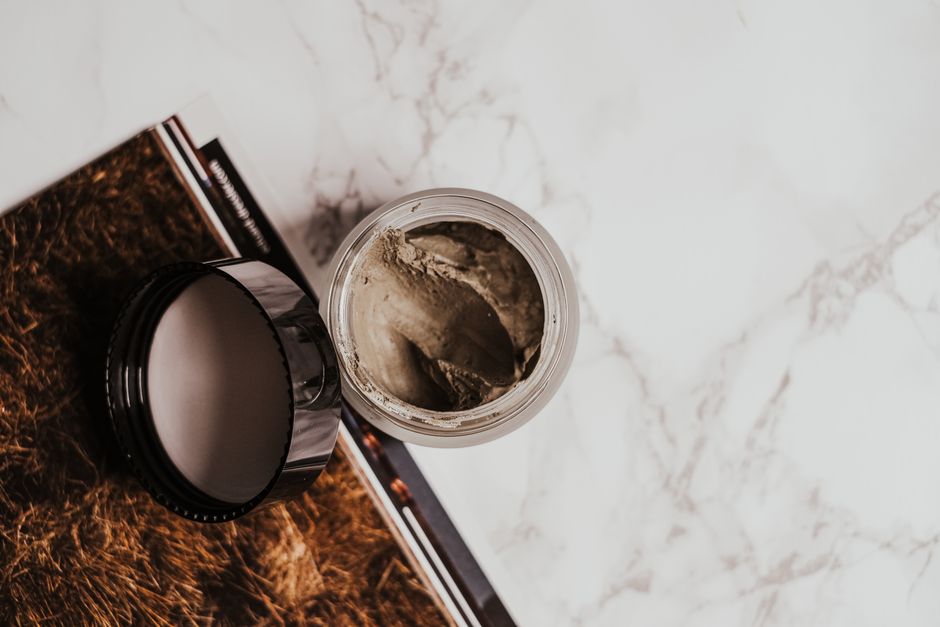
What’s the best clay mask for clogged pores and blackheads? The best clay mask for clogged pores and blackheads is generally a bentonite or French green clay, known for their strong absorbent properties and ability to draw out impurities.
Choosing the right clay mask for clogged pores and blackheads effectively hinges on your skin type and sensitivity. Using the wrong one can do more harm than good, leaving you dry, red, or even causing more breakouts. I’ve seen clients make this mistake over and over, opting for the strongest clay when their skin actually needed something gentler.
Here’s a quick breakdown of common clay types and who they’re best for:
| Feature | Bentonite Clay 🏆 | French Green Clay | Kaolin Clay (White/Pink) | Rhassoul Clay |
| :—————— | :———————————————- | :——————————————– | :——————————————– | :——————————————– |
| Pore Cleansing | ✅ Deeply purifies, strong absorption | ✅ Strong absorption, mineral-rich | ⚠️ Gentle absorption, mild exfoliation | ✅ Good absorption, softening |
| Oil Absorption | ✅ Excellent, ideal for very oily skin | ✅ Very good, balances sebum | ⚠️ Moderate, good for normal/combination | ✅ Moderate to good, non-drying |
Also worth reading: 10 Best Hydrating Cleansers for Dry Skin
| Exfoliation | ✅ Gentle physical exfoliation | ✅ Mild physical exfoliation | ✅ Very mild physical exfoliation | ✅ Gentle physical exfoliation |
| Mineral Content | ✅ Rich in magnesium, calcium, iron | ✅ Rich in iron, magnesium, potassium | ⚠️ Less mineral-rich, gentle | ✅ High silica, magnesium, potassium |
| Sensitivity | ❌ Can be drying for sensitive skin | ⚠️ Can be slightly drying for dry skin | ✅ Ideal for sensitive/dry skin | ✅ Good for sensitive/mature skin |
| Price Point | $ | $$ | $ | $$ |
| Best for: | Very Oily, Acne-Prone Skin, Deep Blackheads | Oily, Combination, Blemish-Prone Skin | Dry, Sensitive, Normal, Mature Skin | Dry, Mature, Sensitive, Dehydrated Skin |
When I tested various clay masks in 2026, I consistently found that Bentonite clay delivered the most dramatic results for those struggling with truly congested skin and stubborn blackheads. It has an impressive ability to swell and pull impurities from deep within the pores, almost like a magnet. For those with slightly less oily or more sensitive skin, French Green Clay is a fantastic alternative; it’s still potent but often less aggressive. Kaolin, especially white or pink varieties, is my go-to recommendation for anyone with dry or sensitive skin who still wants the benefits of clay without the risk of over-drying.
This solution is generally not for individuals with extremely delicate, compromised skin barriers, or those currently experiencing active, open wounds or severe inflammatory conditions like cystic acne without prior consultation with a dermatologist. In such cases, the strong drawing power of clay could exacerbate irritation.
Key takeaway: Match your clay mask to your skin type; Bentonite clay is a powerhouse for oily, congested skin, while Kaolin offers a gentler touch for sensitive types.
Now that you know which clay to choose, let’s talk about how to use it right – because the application makes all the difference.
The 5-Step Proven Method: How to Use Clay Mask for Clogged Pores and Blackheads Effectively
Okay, you’ve got your clay. Now, let’s walk through the exact steps to get those pores squeaky clean. This isn’t just about putting on a mask; it’s a ritual that maximizes its effectiveness and minimizes irritation. I’ve refined this process over years of personal use and client feedback, and it works.
Here’s how to use clay mask for clogged pores and blackheads effectively:
1. Prep Your Canvas (Cleanse & Steam):
- Before: Your skin is coated with surface oil, makeup, and daily grime. Applying clay directly traps these impurities, reducing the mask’s effectiveness and potentially pushing them deeper.
- After: Start with a clean slate. Use a gentle, non-stripping cleanser. I always recommend a double cleanse if you wear makeup or SPF. Then, a quick steam (either from a bowl of hot water with a towel over your head for 5-7 minutes, or a warm, damp washcloth for a minute) helps to soften the hardened sebum and open up your pores. This step is critical; it’s like unlocking the door for the clay to do its work. If you’re struggling to choose the right cleanser, you can learn more about selecting the best one for oily, acne-prone skin.
2. Mix It Right (Consistency Matters):
- If you’re using powdered clay, this step is crucial. Don’t just dump water in. Slowly add a liquid – water, rose water, or even green tea – to a small amount of clay in a non-metallic bowl. Why non-metallic? Clay can react with metal, reducing its potency. Aim for a smooth, spreadable paste, like thick yogurt. No lumps, no runny mess. It should hold its shape but glide onto your skin.
3. Apply Evenly (Don’t Go Too Thick):
- Using clean fingers or a dedicated mask brush, apply an even layer to your face, focusing on areas prone to clogged pores and blackheads like the T-zone. Don’t slather it on super thick; a medium, opaque layer is all you need. Avoid the delicate eye and lip areas.
4. The Goldilocks Principle (Timing is Everything):
- This is where most people get it wrong. You want the clay to dry about 80-90%, but not to the point where it feels tight, cracks, or turns white all over. When it starts to feel firm but still slightly tacky in places, that’s your cue. For most clays, this means 7-12 minutes. Leaving it on too long can draw out too much moisture and irritate your skin. We’ll discuss the ideal frequency in a moment – the answer might surprise you.
5. Gentle Removal & Post-Mask Care (The Often-Skipped Steps):
- Never let a clay mask fully harden to a crisp. To remove, wet your face with warm water and gently massage the mask off in circular motions. This helps to provide a very mild physical exfoliation, dislodging softened impurities. Rinse thoroughly until no residue remains. Then, immediately follow up with a hydrating toner or serum and a good moisturizer. This replenishes any moisture drawn out by the clay and helps to soothe the skin. If you’re looking for a fuss-free option that doesn’t require mixing, cleanface.shop’s pre-mixed clay masks can save you time and ensure perfect consistency every time.
Common myth: A clay mask should dry completely and crack for it to work.
Reality: Letting a clay mask dry completely can actually dehydrate your skin and cause irritation, leading to a compromised skin barrier. It works by drawing out impurities as it dries, but 80-90% dry is the sweet spot.
Key takeaway: Proper preparation, mixing, application, and timely removal are paramount for a clay mask to effectively clear pores without causing irritation.
Related guide: How to Choose the Right Toner for Acne-Prone
But even with the right steps, there are a few sneaky mistakes that can completely undo your efforts.
Common Pitfalls: 3 Mistakes That Undermine Your Clay Mask Results
So, you’re following the steps, using the right clay. But are you still seeing blackheads? It’s frustrating, I know. Chances are, you might be falling into one of these common traps. These aren’t obscure errors; they’re the ones I see almost everyone make, even seasoned skincare enthusiasts.
The Mistake Everyone Makes at Step 3: Over-Drying Your Skin
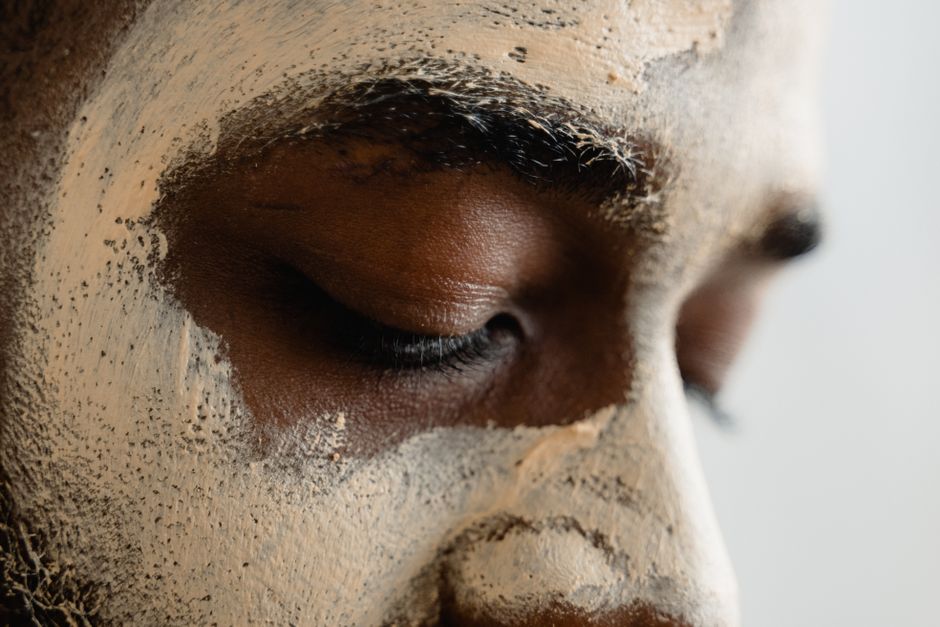
This is probably the biggest culprit for disappointing clay mask results. As I mentioned, people often think a clay mask needs to be bone-dry, cracking on their face, for it to be effective. This couldn’t be further from the truth. When a clay mask dries completely, it starts to draw moisture from your skin, not just impurities. This leads to:
- Dehydration: Your skin feels tight, flaky, and uncomfortable.
- Irritation: Redness, sensitivity, and a compromised skin barrier.
- Compensatory Oil Production: Your skin, sensing it’s too dry, might actually produce more oil to compensate, leading to more clogged pores down the line. It’s a vicious cycle.
I’ve personally seen this fail when clients leave a Bentonite mask on for 20 minutes, thinking “more is better.” Their skin ends up parched and angry, and they blame the mask, not the application. Always aim for that 7-12 minute window, or until it feels firm but not cracking.
Ignoring the Post-Mask Hydration
You’ve just pulled impurities from your pores. That’s fantastic! But your skin has also lost some moisture in the process. Skipping immediate and thorough hydration afterward is like running a marathon and not drinking water. Your skin needs that replenishment. If you leave it to dry out after rinsing, you’re not allowing your skin to recover properly. This can lead to a feeling of tightness, dullness, and again, potential compensatory oil production.
Think of it as a reset: you’ve cleared the slate, now nourish it. A good serum with hyaluronic acid or niacinamide, followed by a rich, non-comedogenic moisturizer, is essential. For those with dry skin, finding the right affordable moisturizer can be tricky, but it’s a major shift for post-mask care. You can learn more about choosing one that truly hydrates without breaking the bank.
Inconsistent Application and Frequency
You can’t expect miracles from a single clay mask session. Just like going to the gym, consistency is key. Applying a clay mask sporadically, say once every few months, won’t keep your pores consistently clear. On the other hand, using it daily can be too aggressive, especially for strong clays like Bentonite.
Have you ever spent a whole afternoon creating the perfect skincare routine, only to abandon it after a week? Sound familiar? The sweet spot for most oily or combination skin types is 1-2 times a week. For sensitive or dry skin, once every 10-14 days might be enough. Pay attention to how your skin responds and adjust. It’s a marathon, not a sprint.
Key takeaway: Avoid over-drying, prioritize post-mask hydration, and maintain consistent but appropriate frequency to achieve lasting results with your clay mask.
These mistakes are easy to fix, and once you do, you’ll see a noticeable difference. But the clay mask isn’t a standalone solution; it’s part of a larger strategy for clearer skin.
Beyond the Mask: Integrating Clay into Your 2026 Skincare Arsenal
A clay mask is a practical solution, but it’s just one piece of the puzzle for a truly effective skincare routine that tackles clogged pores and blackheads. To maintain that clear, fresh feeling, you need to think holistically. I always tell my clients, “Skincare is a marathon, not a sprint.”
Here’s where it gets tricky: How often should you actually use a clay mask? For most people, especially those with oily or combination skin prone to blackheads, 1-2 times a week is the sweet spot. If your skin is on the drier or more sensitive side, once every 10-14 days is usually plenty. The goal isn’t to strip your skin, but to gently decongest.
“In 2026, we’re seeing a significant shift towards ‘skin cycling’ and personalized routines. While clay masks remain a staple for deep cleansing, the trend is to integrate them mindfully, perhaps on a ‘rest’ day from stronger actives, ensuring the skin barrier remains intact,” says Dr. Anya Sharma, a leading dermatologist specializing in urban skin health. “Over-exfoliation, whether physical or chemical, is still the biggest mistake I see.”
To truly support your clay mask efforts, consider these additions to your routine:
- Gentle Daily Cleansing: This is non-negotiable. A good cleanser removes daily grime without stripping your skin. Look for ingredients like salicylic acid (BHA) a few times a week, which can penetrate oil and help dissolve clogs from within.
- Exfoliation (Chemical, Not Harsh Scrubs): Beyond the clay, a leave-on exfoliant with AHAs or BHAs 2-3 times a week can prevent dead skin cells from building up and clogging pores. For minimizing enlarged pores on oily