
Blog
How to Use Facial Toners to Reduce Pores Effectively at Home: Practical Playbook with Real Examples
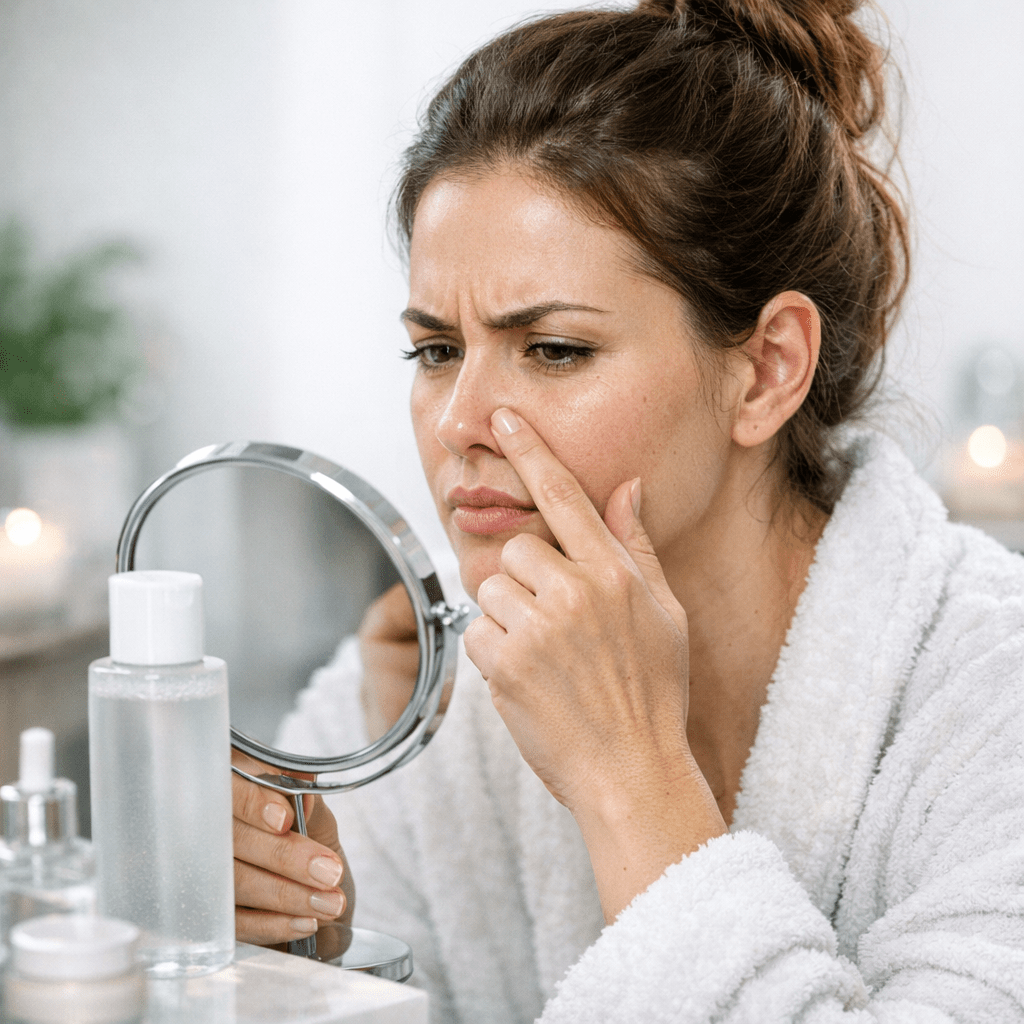
Let’s get real: dealing with visible pores can be frustrating. They’re stubborn, they catch every speck of dirt, and sometimes even the best makeup struggles to hide them. Facial toners can help—but only if you’re using them right. A good toner isn’t magic, but it can make a noticeable difference when it’s part of a thoughtful skincare routine. Here’s how you can actually use facial toners at home to shrink the appearance of those pesky pores without overcomplicating things.
Why Do Pores Look Larger?
Before diving into toners, let’s talk about what makes pores so obvious in the first place. It’s a combination of oil buildup, dirt, dead skin cells, and sometimes genetics (thanks for nothing, mom and dad). When your pores are clogged or stretched out from excess sebum production, they look bigger—especially under harsh lighting or zoomed-in selfies (we’ve all been there).
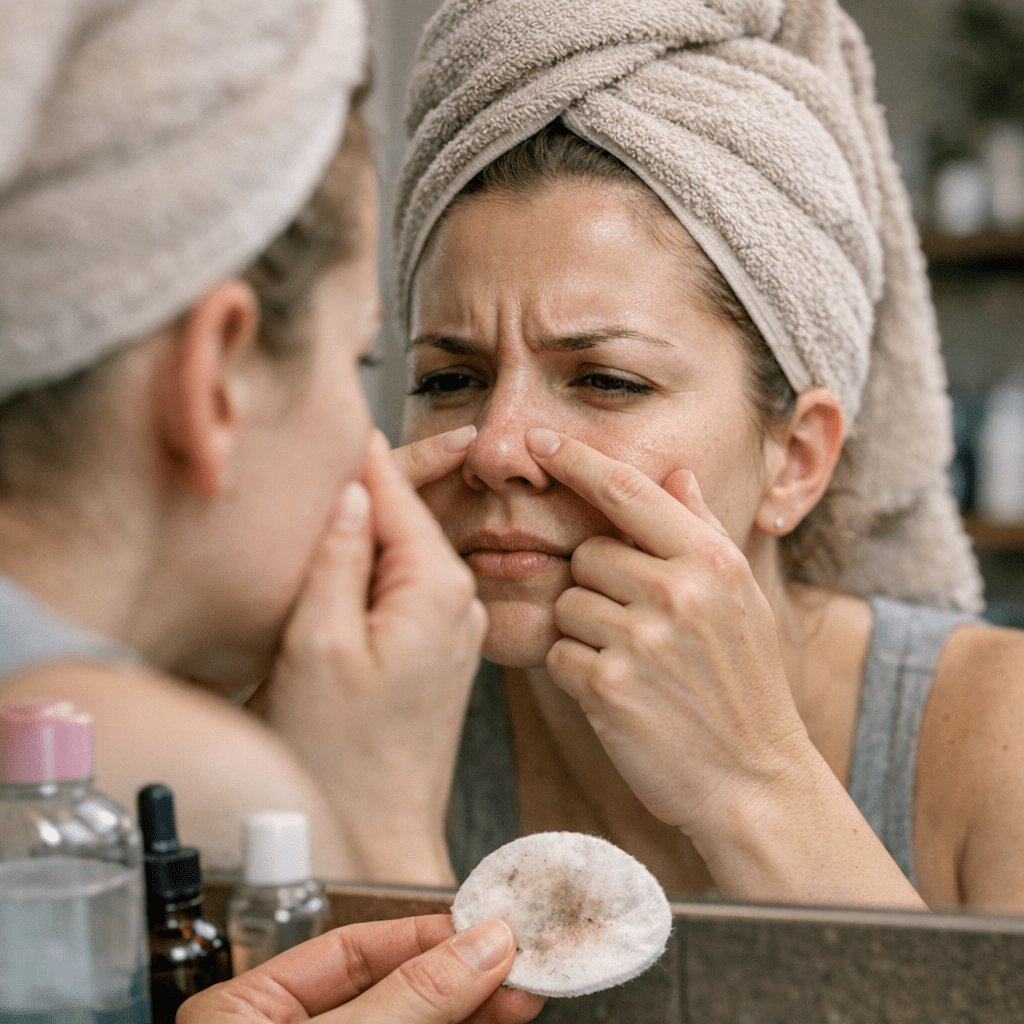
The key is keeping them clean and supported with products that regulate oil and promote skin elasticity. That’s where toners shine.
What Exactly Does a Toner Do?
Toners act like the middle step between cleansing and moisturizing. Think of them as cleanup crew meets prep team: they sweep away any leftover grime after cleansing while balancing your skin’s pH and creating a smoother base for serums or creams. Many modern toners also contain active ingredients that target specific concerns like enlarged pores, acne, or uneven texture.
But here’s where people mess up—they slap on toner without considering its formulation or their skin type. Not every toner works for every face. If you’ve got sensitive skin, an alcohol-heavy formula might leave you red-faced instead of refreshed.
Quick Example:
Years ago, I thought any toner would do the trick for my oily T-zone. Spoiler alert: I was wrong. The overly drying formula I used led to more oil production as my skin tried to compensate—and my pores were even more visible than before. Lesson learned: choose wisely.
—
Step-by-Step Guide to Using Toner for Pore Reduction
Let’s break this down into manageable steps:
1. Start with Clean Skin
Using toner on dirty skin is pointless—it can’t do its job if it has to fight through layers of makeup residue or sunscreen gunk first. Begin with proper cleansing (double cleansing if needed). For tips on double cleansing techniques that leave your face spotless without stripping moisture, learn more.
2. Choose the Right Toner
This is where you need to know your own skin inside out:
- Oily Skin: Go for something with salicylic acid or niacinamide; these ingredients unclog pores while controlling oil.
- Dry Skin: Hydrating options with hyaluronic acid work best.
- Sensitive Skin: Stick with soothing formulas containing chamomile or aloe vera—avoid anything harsh.
- Combination Skin: You may need a balancing toner that targets both hydration and oil control.
Pro tip: Always check labels for sneaky irritants like denatured alcohol if your skin tends to react badly.
—
3. Apply It Correctly
Ditch those oversized cotton balls—you don’t need half your bottle soaking into one applicator pad! Instead:
- Pour a small amount onto reusable cotton rounds (better for both your wallet and the planet).
- Swipe gently across problem areas like cheeks and nose.
Alternatively, some toners come in spray bottles; misting directly onto clean skin is an equally effective option.
—
10 Best Hydrating Cleansers for Dry Skin Under $30: Practical Playbook with Real
4. Follow Up With Moisturizer
Here’s why this matters: skipping moisturizer after toner leaves your skin vulnerable to dehydration—even oily types need hydration! A lightweight gel moisturizer works well after pore-focused toners because it locks in moisture without clogging anything up.
—
Ingredients That Actually Help Minimize Pores
Not all pore-minimizing claims are legit—it pays to know which ingredients deliver results versus marketing fluff:
| Ingredient | Purpose | Best For |
|———————-|———————————–|———————|
| Niacinamide | Reduces oil production | Oily/Combo Skin |
| Witch Hazel | Tightens appearance of pores | Normal/Oily Skin |
| Salicylic Acid | Exfoliates inside pores | Acne-Prone Skin |
| Hyaluronic Acid | Hydrates + plumps | Dry/Sensitive Skin |
| Green Tea Extract | Calms irritation + antioxidants | Sensitive/All Types |
For deeper exfoliation that complements toner use (without breaking the bank), check out these budget-friendly options here.
—
Real-Life Case Study: My Weekend Experiment
Last year during one particularly bad breakout phase—thanks stress—I decided to fully commit to using a pore-tightening routine at home over three days straight:
1️⃣ Started each morning with double cleansing plus witch hazel-based toner.
2️⃣ Added niacinamide serum before lightweight gel moisturizer.
How to Choose the Right Toner for Acne-Prone Skin: Practical Playbook with Real
3️⃣ Used clay masks twice over the weekend (like these affordable picks here).
By Monday? My cheek area looked smoother under makeup—not perfect—but noticeably better than Friday’s disaster zone selfie.
The downside? Witch hazel felt slightly drying by day three despite following up with moisture-rich products—a reminder that balance matters even when tackling oily zones aggressively.
—
Common Mistakes You Should Avoid
It’s easy to slip up when working new products into your routine:
1. Overloading Active Ingredients: Using salicylic acid-based toner alongside exfoliating scrubs every day? Recipe for irritation!
2. Skipping SPF: Toners improve texture—but they won’t protect against sun damage unless paired properly with sunscreen.
3. Expecting Instant Results: Let me be clear—toning won’t “shrink” physical pore size permanently; it only reduces appearance temporarily through cleaning/exfoliation effects.
4. Ignoring Lifestyle Factors: Poor diet/high sugar intake worsens sebum issues no matter how fancy your skincare lineup looks on Instagram.
—
Final Takeaway
Facial toners aren’t miracle workers—but when used correctly as part of an intentional routine tailored toward reducing pore visibility, they absolutely pull their weight. Start simple: cleanse thoroughly first, pick an ingredient-focused toner suited for your needs (not TikTok trends), layer smartly afterward—and give it time!
If you’re curious about expanding beyond basic toning strategies into full routines involving gentle exfoliation masks or targeted treatments like clay masks or serums built specifically around acne-prone conditions? Dive deeper by clicking learn more today!
Related Links