
Blog
How to Use Hydrating Facial Creams for Winter Skin Protection: Practical Playbook with Real Examples
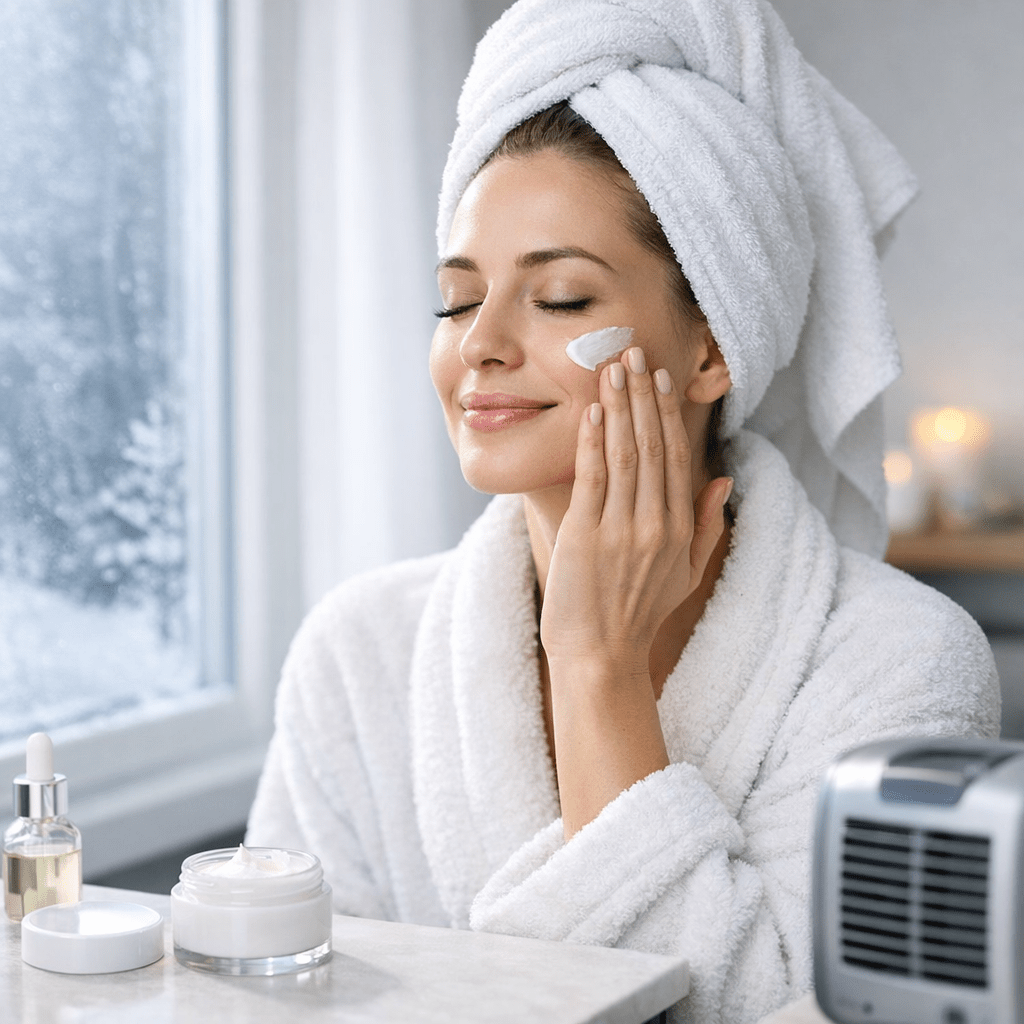
Let’s be real: winter is brutal on your skin. It’s not just the freezing temperatures—it’s the dry indoor heating, biting winds, and that constant feeling like your face might crack if you smile too hard. If you’ve ever looked in the mirror mid-January and thought, “What happened to my skin?”, you’re not alone.
The good news? Hydrating facial creams can save your skin from winter’s wrath—if you use them right. Slapping on some cream and hoping for the best isn’t going to cut it. You need a plan, and I’m here to walk you through it.
—
Why Winter Skin Needs Extra Attention
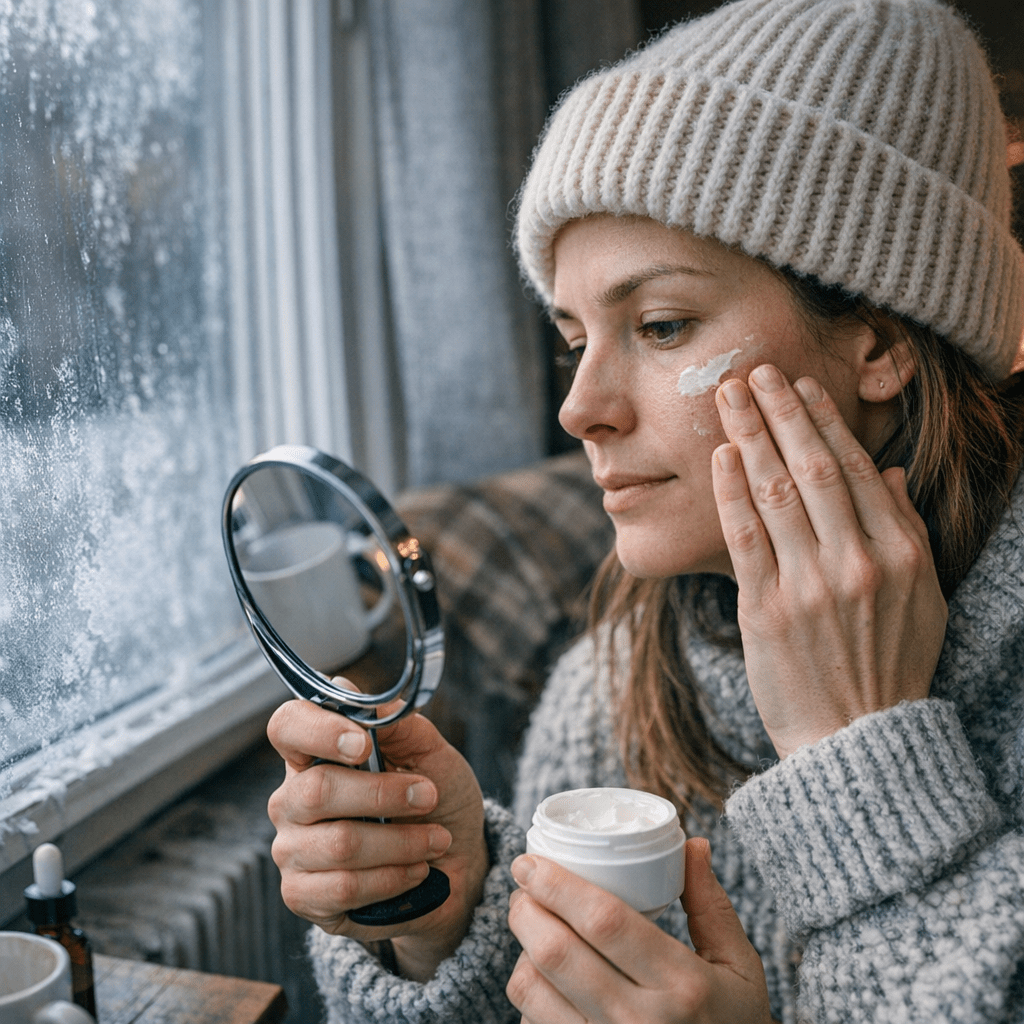
Here’s the thing: cold air holds less moisture than warm air. Couple that with indoor heating systems (which suck every last drop of humidity from the air), and your skin becomes drier than a desert road in July. Add windburn or over-exfoliating because your skin feels rough, and you’re looking at irritation, redness, and flakiness all winter long.
Your skin barrier—the outermost layer of your skin—acts as a shield against these harsh conditions. But when it’s compromised by dryness, it can’t do its job properly. That means moisture evaporates faster, leaving your skin vulnerable to damage. Hydrating creams help repair this barrier by locking in moisture and providing essential nutrients.
—
Step-by-Step Guide to Using Hydrating Creams Like a Pro
1. Start With Clean Skin
Hydration creams work best when applied to clean, slightly damp skin—so don’t skip cleansing! Choose something gentle; harsh cleansers will strip away oils you need during wintertime. Personally, I switch to a milky cleanser as soon as temps drop below 50°F because foam-based ones leave my face feeling tight (not in a good way).
If you’re wearing makeup or sunscreen—and let’s hope you’re still using sunscreen even in winter—double cleanse at night with an oil-based cleanser followed by your regular one.
Pro Tip: Avoid hot water while washing your face—it feels amazing but dries out your skin even more.
—
2. Layer Your Products Strategically
Think of skincare like layering clothes for winter: each piece serves a purpose, and skipping one leaves you exposed.
Here’s how I do it:
- Step 1: After cleansing, apply a hydrating toner or essence (bonus points if it has hyaluronic acid). This preps your skin for better absorption.
- Step 2: Follow with any serums you’re using—like vitamin C in the morning or niacinamide at night.
- Step 3: Now comes the hydrating cream! Scoop out a nickel-sized amount (no need to drown yourself) and massage into your face using upward strokes.
For extra protection during really cold days—or if you have sensitive skin prone to redness—you can add an occlusive layer like petroleum jelly or a thicker balm on top of your moisturizer at night.
Learn more about boosting hydration levels with toners before applying creams.
10 Best Hydrating Cleansers for Dry Skin Under $30: Practical Playbook with Real
—
3. Morning vs Evening Application Matters
It might seem obvious that you should moisturize twice daily—but how you apply differs depending on whether it’s day or night:
- In the morning: Pair your hydrating cream with sunscreen (yes—even when it’s cloudy). Look for something lightweight so you’re not left feeling greasy under makeup or SPF.
- At night: Go heavier! This is prime time for repair since environmental stressors are lower while you sleep.
A quick note here: Overdoing it won’t help! More product doesn’t equal better results; stick to what absorbs comfortably without sitting on top of the skin like butter on toast.
—
Choosing the Right Hydrating Cream for Winter
Not all facial creams are created equal—you’ve probably figured this out after trying one that left you shiny but still flaky two hours later. Here are some things to look for when picking one specifically for winter:
| Ingredient | Why It Works | Examples Found In |
|————|————–|——————–|
| Hyaluronic Acid | Attracts water into the deeper layers of skin | Mid-weight gels/creams |
| Ceramides | Strengthens your natural barrier | Creamy formulas |
| Glycerin | Humectant that locks in moisture | Lightweight hydrators |
| Shea Butter | Rich emollient that softens rough patches | Thicker balms |
Avoid anything overly fragranced—it’ll only irritate already stressed-out winter skin—and skip alcohol-heavy products unless flakiness is what you’re going for (spoiler: it’s not).
Want anti-aging benefits too? Learn more about combining hydration with wrinkle-fighting properties.
—
How to Choose the Right Toner for Acne-Prone Skin: Practical Playbook with Real
Common Mistakes People Make
Mistake #1: Applying On Bone-Dry Skin
Applying moisturizer directly onto dry-as-a-bone skin is like trying to stick tape onto dusty glass—it just doesn’t work well! Always apply after cleansing while there’s still some residual dampness on your face so the cream can trap that water inside.
Mistake #2: Skipping Exfoliation Entirely
Yes, over-exfoliating in winter is bad—but avoiding exfoliation altogether leads to dead cells building up on the surface of your face, making it harder for hydrating products to penetrate properly. A gentle chemical exfoliant once or twice per week keeps things balanced without causing irritation.
Mistake #3: Ignoring Neck & Hands
Your neck ages just as fast as (if not faster than) your face—and hands? They’re exposed constantly but often neglected during moisturizing routines! Whatever cream goes on my face always gets rubbed down my neck and onto my hands afterward—no exceptions.
—
Real Stories From Winter Survivors
In early January last year, I had the driest patch near my nose—a mix of windburn from walking outside daily and forgetting sunscreen (#guilty). Adding ceramide-rich cream fixed it within four days flat after months of struggling with redness there every year prior!
Another friend swears by layering hyaluronic acid serum under her moisturizer during ski trips—she started doing this after noticing her cheeks would chap halfway through every slope run otherwise!
These aren’t one-size-fits-all solutions; experiment until something clicks!
—
Final Thoughts
Winter skincare isn’t rocket science—but getting lazy about moisturizing will cost you later when flaky patches show up uninvited or makeup refuses to sit right no matter how much primer you slather underneath it. Start simple: clean face + proper layers + consistent routine = happy hydrated winter-proofed glow!
And hey—if nothing else sticks today? Just remember this: never skip applying moisturizer right after washing up! Oh—and don’t forget SPF… even now.
For more tailored tips based on different needs (oily vs dry), check out this guide.
Related Links