
Blog
How to Use Moisturizing Toners to Boost Skin Elasticity at Night: Practical Playbook with Real Examples
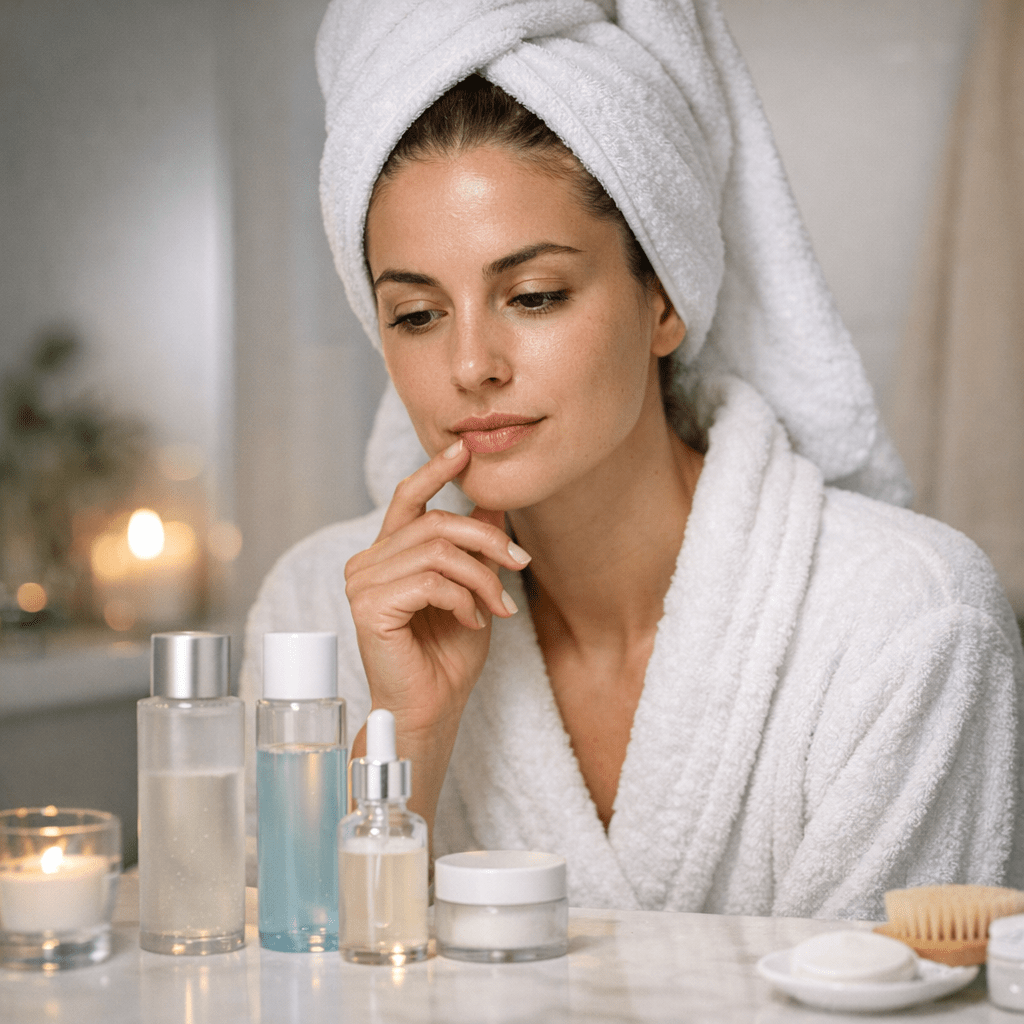
Picture this: It’s the end of a long day. You’ve finally removed your makeup, cleansed your face, and you’re staring at your skincare products wondering, “Do I really need a toner?” If boosting your skin’s elasticity and waking up with a plumper, glowier complexion is on your radar, the answer is yes—but not just any toner will do. A moisturizing toner can be the major shift (yes, I said it) in your nighttime routine, but only if you use it right.
Let’s break down the hows and whys—because trust me, this step isn’t just fluff.
—
Why Moisturizing Toners Matter for Elasticity
Here’s the thing about skin elasticity: It naturally declines as we age. By 2026, most dermatologists agree that collagen production starts dropping off sharply in your late 20s or early 30s (fun times). This loss of elasticity shows up as sagging skin, fine lines, or just that dull, tired look we all dread. While serums and moisturizers get all the glory for anti-aging benefits, toners are often overlooked. Big mistake.
A moisturizing toner isn’t like those old-school astringents that made your face feel tight and dry. These modern versions are packed with humectants like hyaluronic acid, glycerin, or even snail mucin (yes, really) to help hydrate your skin while prepping it to absorb everything else you’ll layer on after.
Why does hydration matter? Hydrated skin is more elastic—period. When your skin holds onto moisture properly overnight, it bounces back faster from daily stressors like UV exposure or pollution. Think of it like watering a thirsty plant; without enough hydration at its roots (aka dermis), no amount of surface-level spritzing will bring it back to life.
—
How to Pick the Right Moisturizing Toner
Not every toner out there is worth adding to cart—or shelf space in your bathroom cabinet. Some come with too many bells and whistles (fragrances! dyes! alcohol!) that don’t actually benefit elasticity. Others might be so lightweight they barely make an impact.
Here’s what works:
1. Look for humectants: Ingredients like hyaluronic acid hold up to 1,000 times their weight in water—like little sponges pulling moisture into your skin.
2. Avoid alcohol-based formulas: These are counterproductive because they strip moisture rather than adding it.
3. Snag some peptides: If you can find a toner with peptides thrown in (think Palmitoyl Tripeptide-5), even better—they’re fantastic for stimulating collagen production.
10 Best Hydrating Cleansers for Dry Skin Under $30: Practical Playbook with Real
4. Consider texture: If you have oily or combination skin, go for something light and watery; drier types might prefer toners that lean slightly creamy or viscous.
Real-World Example
Take Laneige Cream Skin Refiner ($33 USD). This hybrid product walks the line between a toner and moisturizer—it’s milky-textured but absorbs fast without leaving any greasy residue behind. Another favorite? Pyunkang Yul Essence Toner ($20 USD), which uses astragalus root extract for deep hydration without clogging pores.
—
Step-by-Step: Using Your Toner Like a Pro
Okay—you’ve picked out your dreamy moisturizing toner. Now what? Here’s exactly how to use it for maximum nighttime impact:
1. Start With Clean Skin
This one should be obvious by now: Cleansing comes first—always! Whether you double-cleanse with oil followed by gel cleanser or stick to micellar water after makeup wipes (not ideal, BTW), make sure there’s no leftover grime on your face before moving on.
For tips on exfoliating before toning (especially if you’re targeting dullness), check out this practical playbook.
2. Apply While Skin Is Damp
Don’t wait until your face feels bone-dry post-cleansing—this is where many people mess up! Damp skin acts like an absorption sponge; patting on toner immediately helps lock in water molecules before they evaporate into thin air.
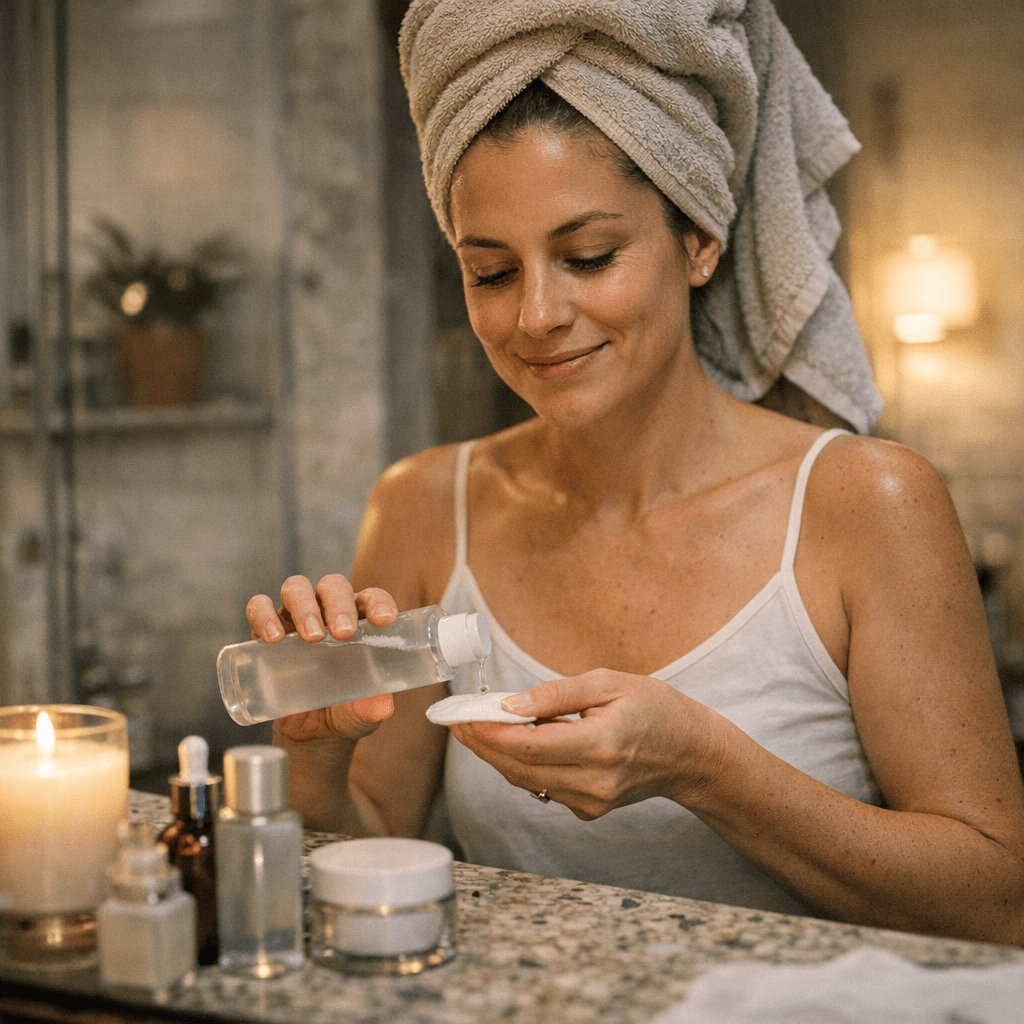
You can either pour some onto a cotton pad or go straight into palms if waste-free application is more your style (I prefer my hands—it feels less clinical).
3. Layer It Up
Depending on how dehydrated your skin feels that night—or seasonal changes—you might want multiple layers of toner (“7-skin method,” anyone?). Pat each layer gently until fully absorbed before moving on to serums or creams.
—
What Comes Next?
Here lies another common pitfall: People slap on their toners and call it good for hydration when really…toner alone doesn’t seal anything in! Follow up with treatments targeted toward elasticity (think retinol or peptides) then lock everything down using an occlusive moisturizer overnight.
How to Choose the Right Toner for Acne-Prone Skin: Practical Playbook with Real
If anti-aging is a key goal for you beyond just hydration boosts via toning routines specifically tailored toward reducing wrinkles fast exist too learn here.
—
Comparison Table: Best Ingredients vs Overhyped Ones
| Ingredient Category | Hero Ingredients | Overrated Additives |
|————————–|————————|—————————|
| Humectants | Hyaluronic Acid | Glycereth-26 |
| Collagen boosters | Peptides | Collagen itself |
| Anti-inflammatories | Allantoin/Beta-glucan Fragrances/synthetics |
—
Tradeoffs To Consider
One thing nobody tells beginners—including dermatologists sometimes—is despite added benefits rehydration isn’t miracle overnight wrinkle reducer direct-indirectly though longer-term results show differently conditioning consistently applied nightly weeks runtime experimentations patience overall tough convincing skeptics newcomers alike
Related Links