
Blog
Korean vs. American Skincare Routines for Combination Skin: Which Works Better?: Practical Playbook with Real Examples
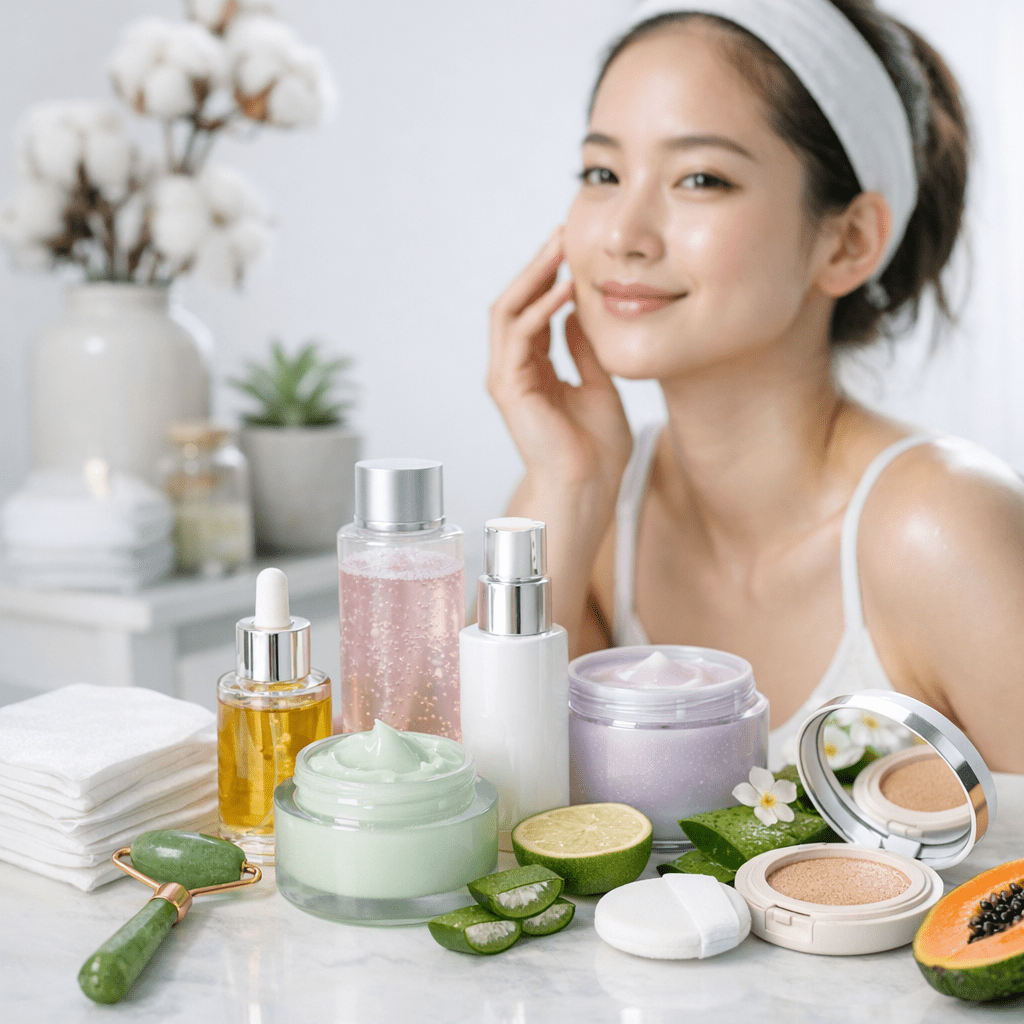
Combination skin is tricky. One part of your face feels like the Sahara, while another shines brighter than a disco ball. If you’re anything like me, you’ve stood in front of a bathroom mirror wondering why no product ever seems to get it right. Too light and your dry patches scream for moisture. Too heavy and your T-zone looks like an oil slick by noon.
Here’s where the Korean vs. American skincare debate gets interesting—both approaches claim to have solutions, but they couldn’t be more different in how they tackle combination skin. So, which one actually works better? Let’s break it down.
In this guide, you’ll discover:
- Why Korean skincare routines are so extra (and whether that’s a good thing).
- The minimalist charm of American skincare—and its potential pitfalls.
- How to combine the best of both worlds without overwhelming your face or wallet.
Sound familiar? Good. Let’s dig in.
What Makes Korean Skincare So Popular?
Korean skincare has been dominating beauty shelves for years now, and it’s not hard to see why. They’ve turned “self-care” into a full-fledged ritual with 10-step routines that feel luxurious and promise glowing glass skin at the end of it all. But is all that layering really what combination skin needs?
The philosophy: Hydration first, always. Korean beauty (or K-beauty) is rooted in the idea that healthy skin starts with hydration and balance—not stripping or masking your natural oils.
Key Practices That Stand Out
1. Double Cleansing: Start with an oil cleanser to remove makeup and sunscreen, followed by a water-based cleanser to wash off sweat and dirt.
2. Essences & Ampoules: These watery treatments are supposed to hydrate deeply while delivering active ingredients.
3. Sheet Masks Galore: There’s a sheet mask for everything—from hydration to brightening—and many K-beauty followers swear by using them daily.
4. Sun Protection Obsession: Sunscreen isn’t optional; it’s mandatory (and reapplication throughout the day is non-negotiable).
Real Talk: Is It Too Much?
I’ll admit—I was skeptical when I first tried a full K-beauty routine back in 2025 after seeing #glassskin trending yet again on Instagram. Ten steps every single day? Who has time for that?
Turns out, I didn’t… at least not consistently! And here lies one of the biggest tradeoffs with Korean skincare—it requires effort and patience. You can’t skip steps if you want results because every layer builds on the last.
For combination skin though, there’s something genius about how lightweight their products tend to be—hydrating without clogging pores or making oily areas worse.
Key takeaway: If you’re willing to commit time (and maybe some extra cash), K-beauty offers an incredibly hydrating approach ideal for calming down dry spots while balancing oily zones.
Also worth reading: How to Choose the Perfect Clay Face Mask for
The Minimalist Approach of American Skincare
Let’s flip the script now—American skincare focuses on fewer steps but packs products with potent active ingredients like retinol, salicylic acid, or vitamin C serums. The whole vibe screams efficiency: maximum results with minimum effort.
The philosophy: Targeted treatments rule here—you don’t need 10 layers when one hard-hitting serum could do most of the work.
Key Practices That Stand Out
1. Cleansers With Actives: Think glycolic acid or salicylic acid cleansers designed not just to clean but also exfoliate or treat acne-prone areas.
2. Serum Spotlight: Instead of layering multiple essences and ampoules, Americans often rely on a single concentrated serum tailored to their main concern.
3. Moisturize Strategically: Lightweight gels for oily areas; richer creams for dry patches.
4. SPF Simplified: Sunscreen is still important but reapplication isn’t as religiously emphasized as in Korea (which might explain why sun damage stats are higher in the U.S.).
Where It Shines—and Falls Short
I once tried going full minimalist last year after being overwhelmed by my growing collection of toners and masks from my K-beauty phase—some unopened even months later! My mornings got shorter instantly because two steps replaced seven—but I noticed something else too: tightness around my cheeks came back almost immediately.
That’s where American skincare can stumble—it might overlook hydration if you’re only focused on actives like acids or retinoids instead of nourishing layers between them.
Key takeaway: If simplicity rules your life (or mornings), American methods are fantastic—but watch out for over-drying parts of your combo skin.
Head-to-Head Comparison: Korean vs American Skincare
Let’s pit these two approaches against each other directly:
| Feature | 🏆 Korean Skincare | American Skincare |
|———————————|—————————-|————————-|
| Number of Steps | 7–12 | 3–5 |
| Hydration Focus | ✅ Yes | ⚠️ Partial |
| Use of Natural Ingredients | ✅ Strong | ⚠️ Moderate |
| Active Ingredients | ⚠️ Less potent | ✅ Potent |
| Time Commitment | ❌ High | ✅ Low |
| Best For | Dry + Combo Skin | Acne-Prone + Oily Skin |
Best For:
🏆 Korean Skincare wins if hydration is your top priority or if you enjoy multi-step rituals as self-care moments.*
Related guide: 10 Best Hydrating Cleansers for Dry Skin
Meanwhile, American Skincare takes the crown for speedier routines packed with powerhouse actives.*
What If You Used Both?
Here’s where things get interesting—you don’t have to pick sides entirely! In fact, blending practices from both worlds can give combination skin exactly what it craves: balance without compromise.
A Hybrid Routine Example:
1) Start with Korea’s double cleansing method (an oil-based cleanser followed by foam).
2) Use an active-packed serum from an American brand targeting specific issues like acne or dark spots (learn more here).
3) Layer on lightweight hydration via K-beauty essences/ampoules—but keep it simple (no need for five bottles).
4) Finish strong with sunscreen—bonus points if it’s one you’ll actually reapply during the day (learn more here).
Common myth: You need every step from one system to see results! Reality: Mixing allows flexibility while still addressing key issues effectively.
Frequently Asked Questions
Q: Can I mix products from both routines safely?
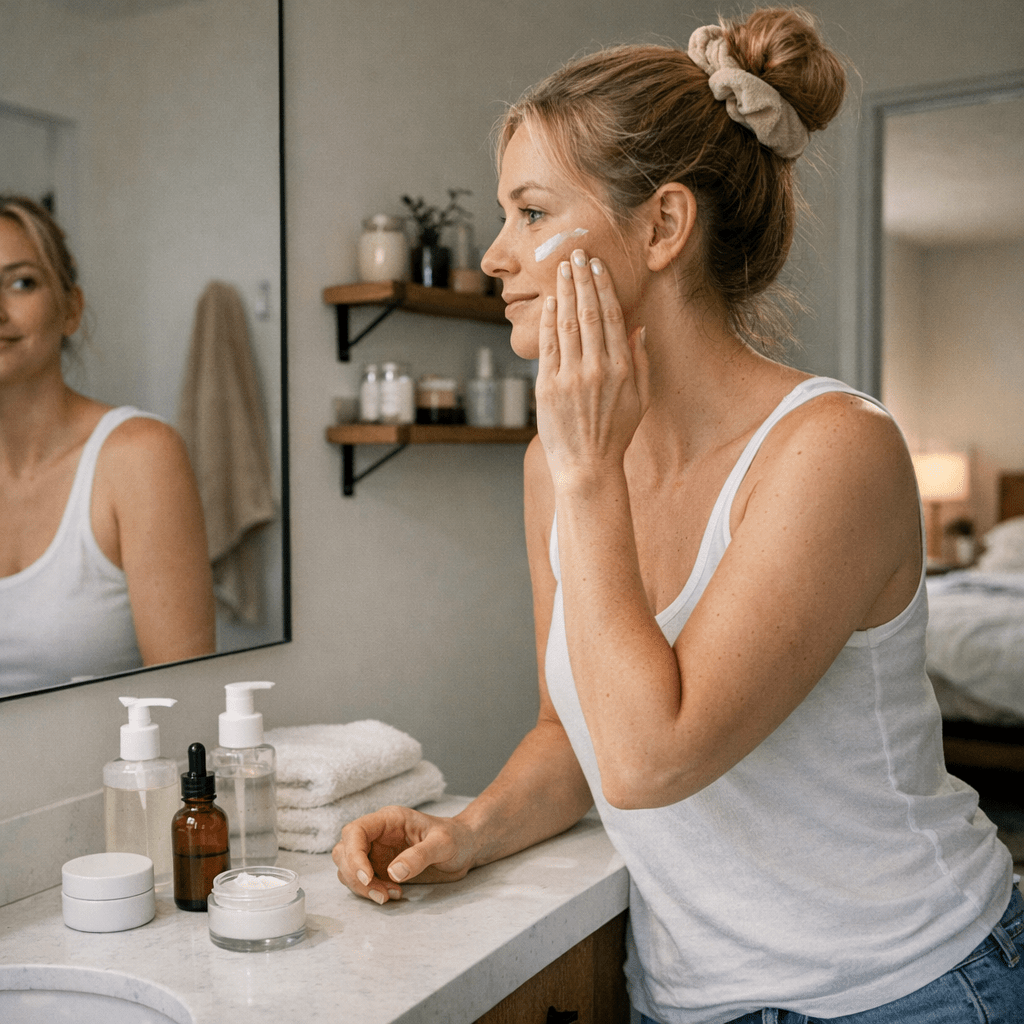
Yes! Just introduce new ingredients slowly—especially actives like retinol—to avoid irritation.
Q: Is a full 10-step routine necessary?
Not at all! Even Koreans often adapt based on their needs—focus on cleansing, hydrating layers + SPF basics first!
**Q: What’s fastest fix when short timing mornings hit chaos-mood?