
Blog
The Essential Guide to Building a Korean Skincare Routine for Combination Skin
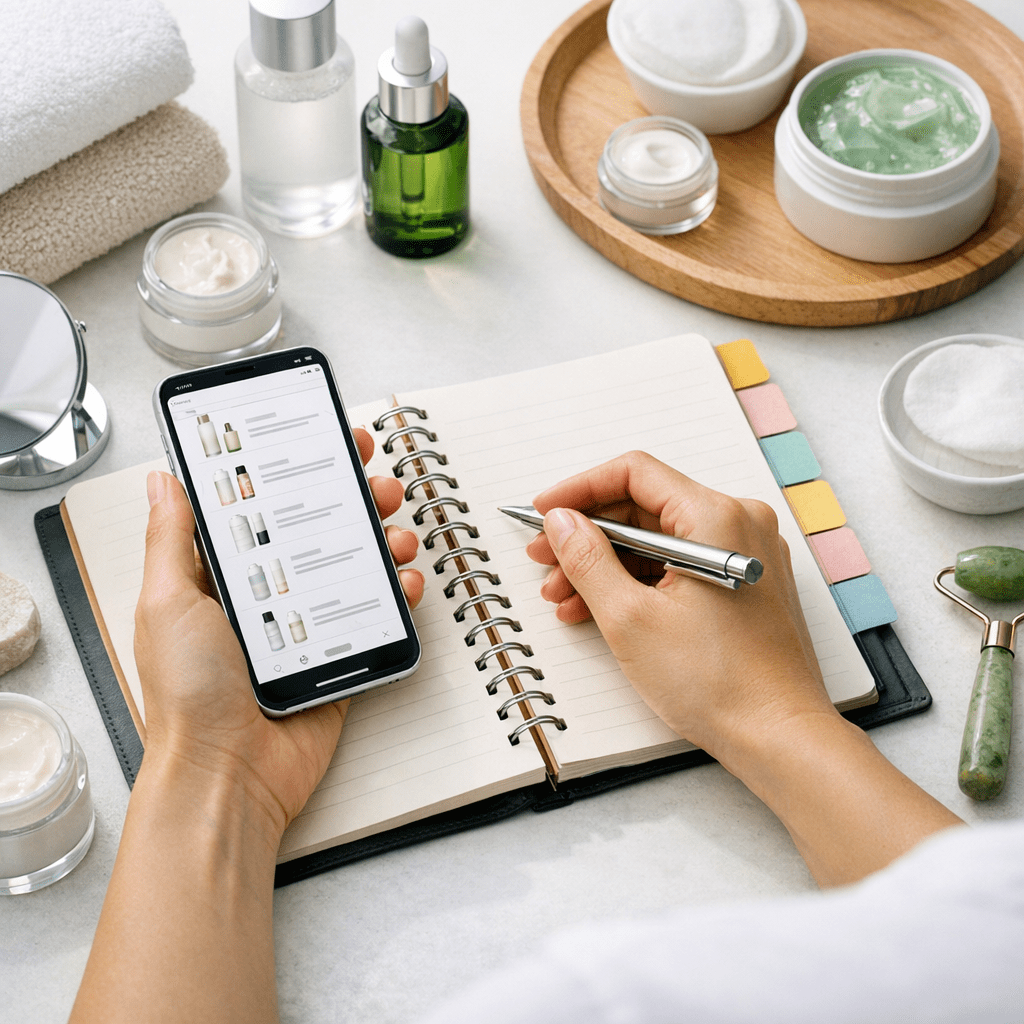
Let’s face it, figuring out the right skincare routine when you have combination skin can feel like trying to solve a riddle. One part of your face is an oily T-zone, while the rest feels like the Sahara Desert. You might even wonder if there’s a routine that works for both extremes without stressing out your skin further.
Here’s the thing: Korean skincare isn’t just trendy; it’s methodical and rooted in balance. It’s all about layering lightweight, hydrating, and effective products that work in harmony—perfect for combination skin. But with so many steps and products out there, where do you even start?
In this guide, you’ll discover:
- The 7 essential steps to build your own K-beauty routine for combination skin.
- Why skipping Step 3 could sabotage your results entirely.
- A practical checklist to make sure you’re using the right products in 2026 standards (yes, things keep evolving!).
Let’s break it all down step by step so you can get that glowing but balanced complexion you’ve been chasing.
Quick Navigation
1. What Makes Korean Skincare Perfect for Combination Skin?
2. Step 1: Double Cleansing — The Foundation of Healthy Skin
3. Step 2: Exfoliation — But Don’t Overdo It!
4. Step 3: Toning — Hydrate and Prep Your Skin
5. Step 4: Essence — The major shift Most Skip
6. Step 5: Serums and Ampoules — Targeted Treatment Time
7. Step 6: Moisturizing Without Overdoing It
8. Step 7: Sunscreen — Your Everyday Hero
Also worth reading: 9 Best Non
9. Common Mistakes People Make with Korean Skincare Routines
10. Frequently Asked Questions
What Makes Korean Skincare Perfect for Combination Skin?
Korean skincare is all about personalization and layering—and let me tell you, that’s a lifesaver when dealing with combination skin! Unlike harsh one-size-fits-all products that either over-strip or under-hydrate, K-beauty focuses on lightweight hydration at every step while addressing specific concerns like acne or dryness with targeted treatments.
Here’s why it works:
1. Layering: Instead of slapping on one heavy product, you gently layer lighter ones tailored to each area of your face.
2. Focus on hydration: Hydration balances oily zones while giving dry areas the moisture they need.
3. Customizable options: You can tweak ingredients or skip certain steps entirely based on what your unique combo skin needs.
Now let’s dive into building this routine properly—because doing it wrong will cost you not only money but time spent fixing irritated skin later.
Step 1: Double Cleansing — The Foundation of Healthy Skin
If there’s one thing Koreans nail better than anyone else in skincare, it’s cleansing—and double cleansing is non-negotiable here.
First up is an oil-based cleanser, which dissolves makeup, sunscreen, and excess sebum from your T-zone without drying out your cheeks or jawline (where most combo folks feel tightness). Follow this with a gentle water-based cleanser to remove dirt and sweat.
Key products to look for: For oil cleansers, go light—something like grapeseed oil-based formulas work wonders without clogging pores.
Common myth: “Oil cleansers make oily areas worse.”
Reality: They don’t! Oil attracts oil; these cleansers actually pull impurities from pores without stripping natural moisture.
Step 2: Exfoliation — But Don’t Overdo It!
Exfoliating dead skin cells makes way for smoother texture and prevents clogged pores—but here’s where it gets tricky for combo skin types: too much exfoliation can wreck your moisture barrier.
Related guide: 10 Best Hydrating Cleansers for Dry Skin
Stick to once or twice weekly max! And please avoid anything gritty—opt instead for chemical exfoliants like AHAs (for flaky patches) or BHAs (for blackheads along the nose).
If you’re unsure what suits sensitive areas best, check out this detailed guide on how to choose scrubs wisely over at CleanFace Shop’s blog—learn more.
Step 3: Toning — Hydrate and Prep Your Skin
Toner isn’t just water in fancy packaging (despite what some skeptics say). A good toner ensures all those layers coming after absorb properly while adding an extra hit of hydration.
Look for toners with soothing ingredients like green tea extract or hyaluronic acid—they hydrate without overwhelming oily areas.
Key takeaway: Avoid alcohol-based toners—they dry out dry spots even more! A hydrating toner preps everything beautifully as we move into heavier treatments next…
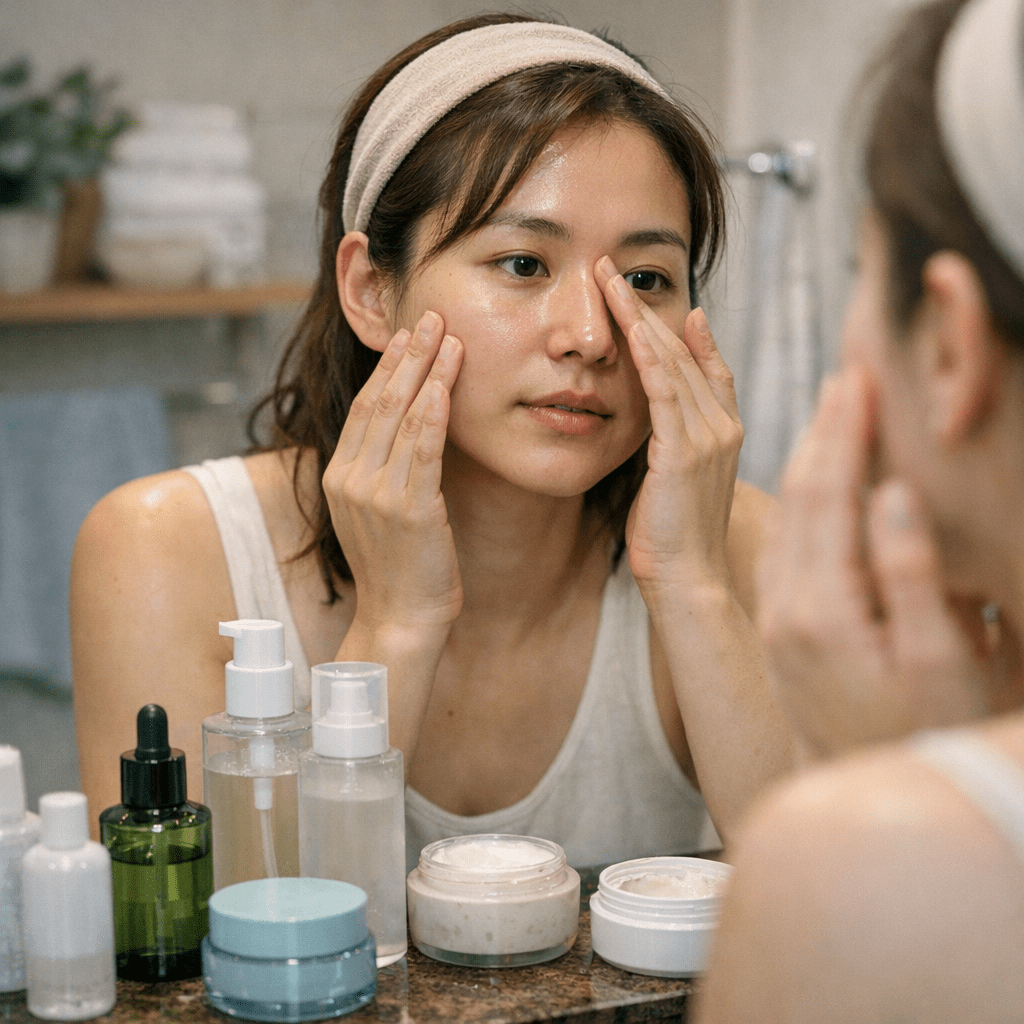
You’ll see why skipping toner is a mistake when we talk about serums below!
Step 4: Essence — The major shift Most Skip
Here comes my favorite part—the essence step! Think of essences as supercharged hydrators packed with nutrients designed specifically around absorption post-tone/pre-serum stages…
[TO BE CONTINUED…]