
Blog
The Essential Guide to Choosing a Lightweight Moisturizer for Oily Combination Skin at the Drugstore
Picture this: It’s 8 a.m., and you’re staring into your bathroom mirror, debating whether your face looks shiny, dry, or somehow both. Sound familiar? If you’ve got oily combination skin, you know the struggle. Finding a moisturizer that hydrates without turning your T-zone into an oil slick feels like trying to find a needle in a haystack. And let’s be honest—spending $50+ on high-end brands isn’t always realistic, especially when drugstores are packed with options that promise similar results.
But here’s the kicker: not all drugstore moisturizers are created equal. Some will clog your pores faster than you can say “breakout,” while others leave your cheeks parched and flaky. The wrong pick could throw your entire skincare routine out of whack—and who has time for that?
In this guide, you’ll discover:
- What ingredients to look for (and avoid) in lightweight moisturizers for oily combination skin.
- A breakdown of popular drugstore options with real pros and cons.
- How to spot sneaky marketing traps that make bad products sound good.
Let’s get started—because glowing skin shouldn’t be this complicated.
Why Your Skin Type Makes This So Tricky
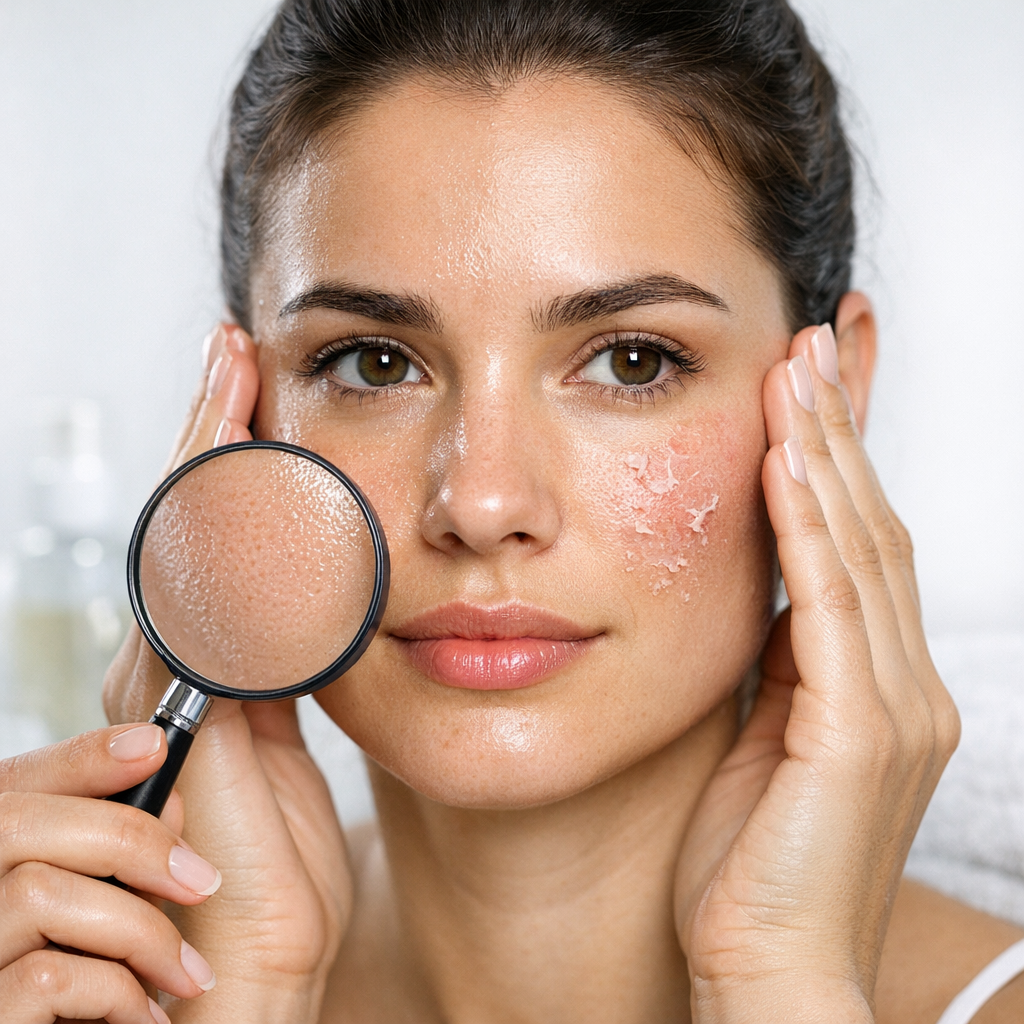
Oily combination skin is like two different personalities fighting for control of your face. Your T-zone (forehead, nose, chin) is likely greasy enough to fry an egg by lunchtime, while your cheeks feel tight and dry by the end of the day. Fun times, right?
Here’s where it gets tricky: Most moisturizers cater to one extreme or the other—either they’re loaded with heavy oils meant for Sahara-level dryness or packed with drying alcohols designed to combat shine but leave sensitive areas screaming for help. Neither works for us middle-ground folks.
Key takeaway: You need balance—a formula that’s hydrating but light enough not to suffocate oily zones or irritate dry patches.
What Happens If You Skip Moisturizer?
You might think skipping moisturizer altogether will solve the oil problem—but it doesn’t work like that. In fact, it makes things worse. Here’s why:
Also worth reading: 10 Best Hydrating Cleansers for Dry Skin
When your skin feels dehydrated (even if it looks oily), it overcompensates by pumping out more sebum (oil). The result? Clogged pores, breakouts, and even shinier skin than before. On top of that, any dry patches will just get flakier and more irritated over time.
Cost of inaction: Skipping moisturizer means more breakouts and uneven texture—and eventually shelling out way more money on treatments than you would’ve spent on a decent product in the first place.
The Ingredients That Actually Work (and What to Avoid)
What You Want:
1. Hyaluronic Acid – This is hydration gold without adding grease. It holds up to 1,000x its weight in water but still feels feather-light on the skin.
2. Niacinamide – Controls oil production while calming redness—a win-win.
3. Glycerin – Another humectant like hyaluronic acid; great for pulling moisture into those drier areas.
4. Oil-Free Formulas – Non-comedogenic products won’t clog pores.
5. Lightweight Emollients – Ingredients like dimethicone create a smooth texture without heaviness.
What To Avoid:
1. Fragrance – Often unnecessary and irritating for sensitive areas.
2. Alcohol Denat – Found in mattifying formulas; dries out dry patches too much.
3. Heavy Oils – Coconut oil might sound natural and nice but clogs pores fast on oily skin types.
4. Shea Butter/Beeswax – Too rich unless used sparingly in specific formulations.
Related guide: How to Choose the Right Toner for Acne-Prone
Real Drugstore Options Worth Considering
Not all drugstore moisturizers deserve space on your shelf—but these do:
1️⃣ Neutrogena Hydro Boost Gel Cream
This cult-favorite has been holding its own since launch—and there’s good reason why it dominates shelves even in 2026.
- Why It Works: Packed with hyaluronic acid and glycerin, this gel cream delivers serious hydration without any heaviness or greasiness.
- Tradeoff: Contains some synthetic fragrance—if you’re super-sensitive, test before committing.
- Price Point: Around $22 USD for 1.7 oz.
“A little goes a long way,” says dermatologist Dr. Karen Lopez in her recent Q&A about affordable skincare trends published earlier this year.
2️⃣ Cetaphil Daily Oil-Free Hydrating Lotion
Cetaphil has been synonymous with “gentle” forever—and they nailed it here again.
- Why It Works: Niacinamide takes center stage here alongside glycerin; perfect for balancing moisture levels while calming inflammation.
- Tradeoff: No frills—it may feel too “basic” if you prefer fancier textures or scents.
- Price Point: $17 USD per bottle at most major retailers.
3️⃣ La Roche Posay Toleriane Double Repair Face Moisturizer
French pharmacy brands know their stuff when it comes to lightweight hydration! This formula stands out because it’s designed specifically with barrier repair in mind—ideal if over-cleansing has left certain areas raw lately.
- [ ] Add bullet notes summarizing benefit nuances
(Mid-level priced around EstentialTargets)