
Blog
The Essential Guide to Using Glycolic Acid Toners Safely for Beginners
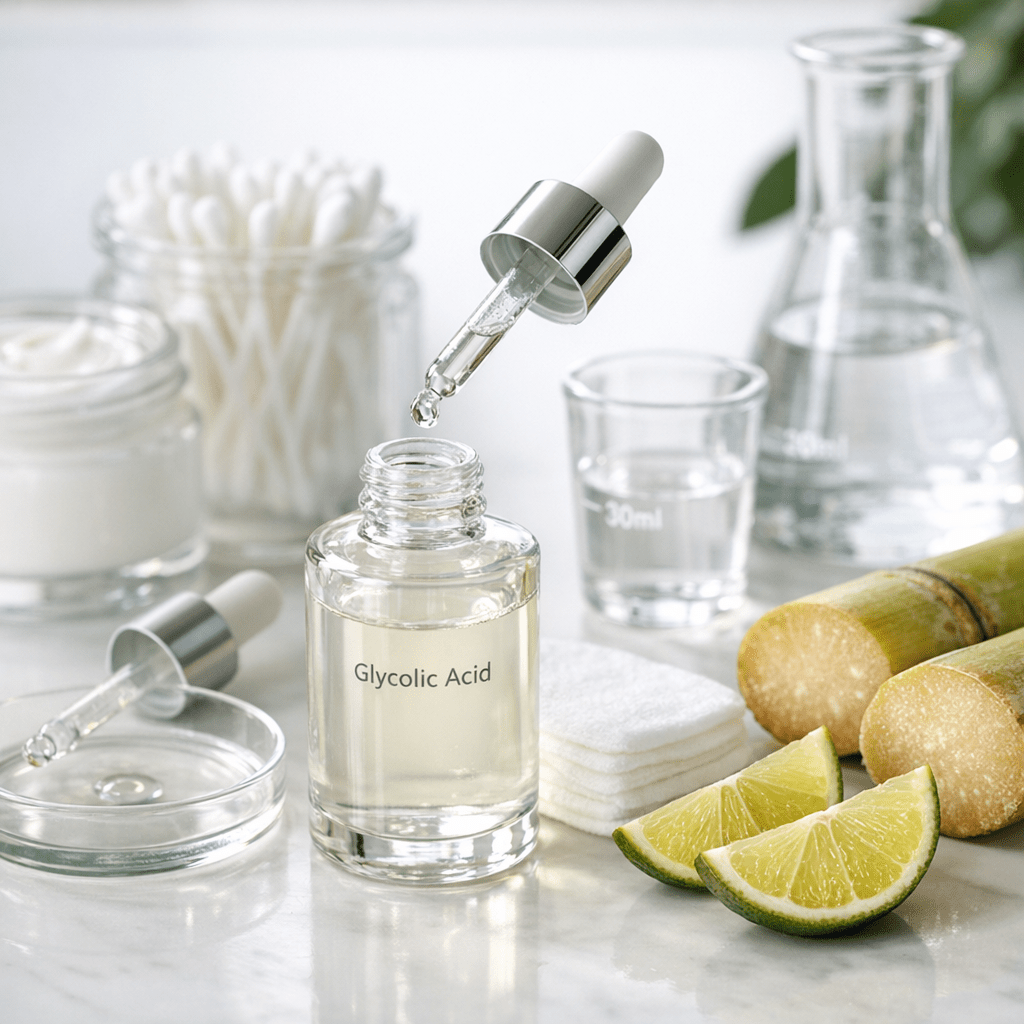
Last week, a friend of mine texted me in a panic: “I think I’m burning my face off with this toner—is that normal?!” She had just started using a glycolic acid toner because TikTok told her it was the secret to glowing skin. Instead, she was dealing with redness, stinging, and peeling. Sound familiar?
Here’s the thing: glycolic acid is amazing when used correctly. It can smooth your skin, even out discoloration, and unclog pores like nothing else. But if you jump in without knowing what you’re doing, you might end up looking like you spent too much time under a heat lamp.
In this guide, you’ll discover:
- What glycolic acid actually does and why beginners need to tread carefully.
- The step-by-step process for using it without wrecking your skin barrier.
- Common mistakes (and how to avoid them).
Let’s get into it—your face will thank you later.
What Is Glycolic Acid and Why Should You Care?
Glycolic acid is an alpha hydroxy acid (AHA) derived from sugarcane. It works by exfoliating the outer layer of dead skin cells, revealing fresher, smoother skin underneath. Think of it as hitting the “refresh” button for your face.
But here’s where things get tricky: glycolic acid doesn’t just stop at exfoliation. Because of its small molecular size, it penetrates deeper into your skin than other AHAs (like lactic or mandelic acid). That’s great for results—but also means higher potential for irritation if you overdo it.
The Benefits Are Real—But So Are the Risks
Used correctly, glycolic acid can:
- Minimize fine lines over time by boosting collagen production.
- Fade dark spots and acne scars (hallelujah!).
- Improve overall texture so your makeup looks flawless on top.
But here’s what no one tells you upfront: misuse can lead to redness, flaking, sensitivity—basically all the things you’re trying to fix in the first place. If you’ve got sensitive or reactive skin, this risk doubles.
Key takeaway: Glycolic acid is powerful but unforgiving if mishandled—you need a game plan before diving in.
Step-by-Step Guide: How to Use Glycolic Acid Toners Without Screwing Up Your Skin
Ready to start? Here’s exactly how you should approach glycolic acid toners if you’re new to the game:
1. Start Slow—No One Wins by Rushing Skincare
The biggest mistake beginners make is treating skincare like instant ramen: fast and aggressive. Don’t do this! Start with a low concentration toner (5% or less) once or twice a week at night only.
Why nighttime? Glycolic acid makes your skin more sensitive to sunlight—and sunscreen alone won’t fully protect you from UV damage during peak hours.
Action Plan:
- [ ] Patch test first! Apply a small amount near your jawline and wait 24 hours to ensure no allergic reaction.
- [ ] Use every third night initially; increase frequency gradually over 4–6 weeks as tolerated.
- [ ] Avoid layering with other harsh actives like retinol or vitamin C until you’re acclimated.
Key takeaway: Less is more when you’re starting out—your face isn’t ready for full-strength toning five nights straight.
2. Pair It With Hydration Like Your Life Depends on It
Glycolic acid can be drying because it disrupts your moisture barrier while exfoliating away dead cells—but balanced hydration keeps irritation at bay.
Also worth reading: 10 Best Hydrating Cleansers for Dry Skin
After applying the toner:
1. Follow up immediately with a hydrating serum (look for ingredients like hyaluronic acid or glycerin).
2. Seal everything in with a lightweight moisturizer designed for sensitive skin.
If you’re unsure where to find good options under $30 that actually work during winter months when dryness peaks, learn more.
Key takeaway: Hydration isn’t optional—it’s mandatory when using chemical exfoliants like glycolic acid.
3. Sunscreen Is Non-Negotiable—Every Single Day
This isn’t optional—it’s law! Because glycolic acid thins the top layer of your skin while removing dead cells, sunlight becomes an even bigger enemy post-use.
Here’s Your Daily Routine:
1. Apply broad-spectrum SPF 30+ every morning after moisturizing—even on cloudy days.
2. Reapply every two hours if spending significant time outdoors.
3. Consider wearing hats or staying in shaded areas during peak sun hours (10 AM–4 PM).
Skipping sunscreen after using acids is basically asking for hyperpigmentation—or worse yet, long-term damage that undoes all your hard work.
Common myth: “I only use glycolic at night—I’m safe skipping sunscreen.” Reality: UV damage happens whether or not you’re actively exposed; residual sensitivity stays all day long!
Before vs After Using Glycolic Acid Toner Properly
Here’s what happens when you follow these steps vs winging it without guidance:
| Before: | After: |
|————————————-|————————————–|
| Redness + uneven texture | Skin feels smoother and more even |
| Persistent breakouts/clogged pores | Clearer complexion |
| Dry patches from poor exfoliation | Balanced hydration + glow |
Notice I said “properly.” If you skip sunscreen or overuse product early on… expect setbacks instead of progress!
Three Mistakes Everyone Makes When Starting Glycolic Acid
Mistake #1: Thinking More Is Better
A beginner slathers on 10% toner nightly thinking they’ll see faster results—they end up peeling by day three instead.
Related guide: How to Choose the Right Toner for Acne-Prone
Fix: Start with lower concentrations and build tolerance slowly!
Mistake #2: Ignoring Their Skin Type
Not all faces are created equal! If yours leans dry/sensitive but you’re treating it like it’s oily/acne-prone… trouble ahead.
Fix: Adjust usage based on how YOUR face reacts—not someone else’s routine online!
Mistake #3: Mixing Too Many Actives at Once
People love cocktailing products these days—but combining AHAs + retinol + scrubs = chaos waiting to happen…
Fix: Simplify routines around one active ingredient focus per cycle period (~3 months).
Sound familiar? Let me know which mistake caught you off guard before—you’re definitely not alone here!
FAQ Section
Q: Can I use glycolic acid if I have acne-prone skin?
Yes! In fact, it helps unclog pores over time—but go slow and avoid applying on open acne lesions until healed fully first.
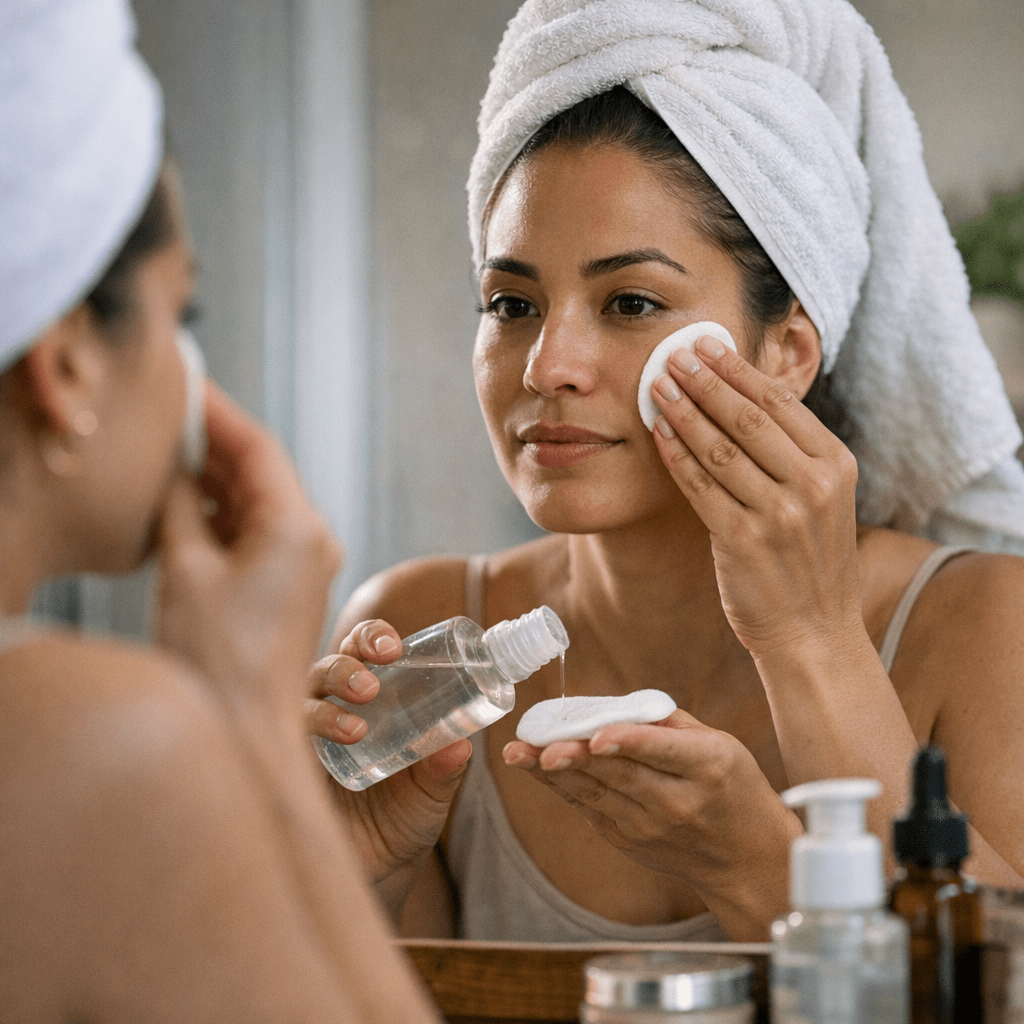
Q: What concentration should beginners start with?
Stick between 5%–7%. Anything above risks overwhelming untrained faces initially!
Q What happens if my face turns red afterward anyway?”
Some mild tingling initially normalized adjusting; excessive redness means scaling back again reduces weekly intervals temporary pause altogether resetting tolerance threshold benchmarks monitored accordingly…