
Blog
The Honest Guide to Choosing a Gentle Daily Face Wash for Sensitive Skin Without Irritation
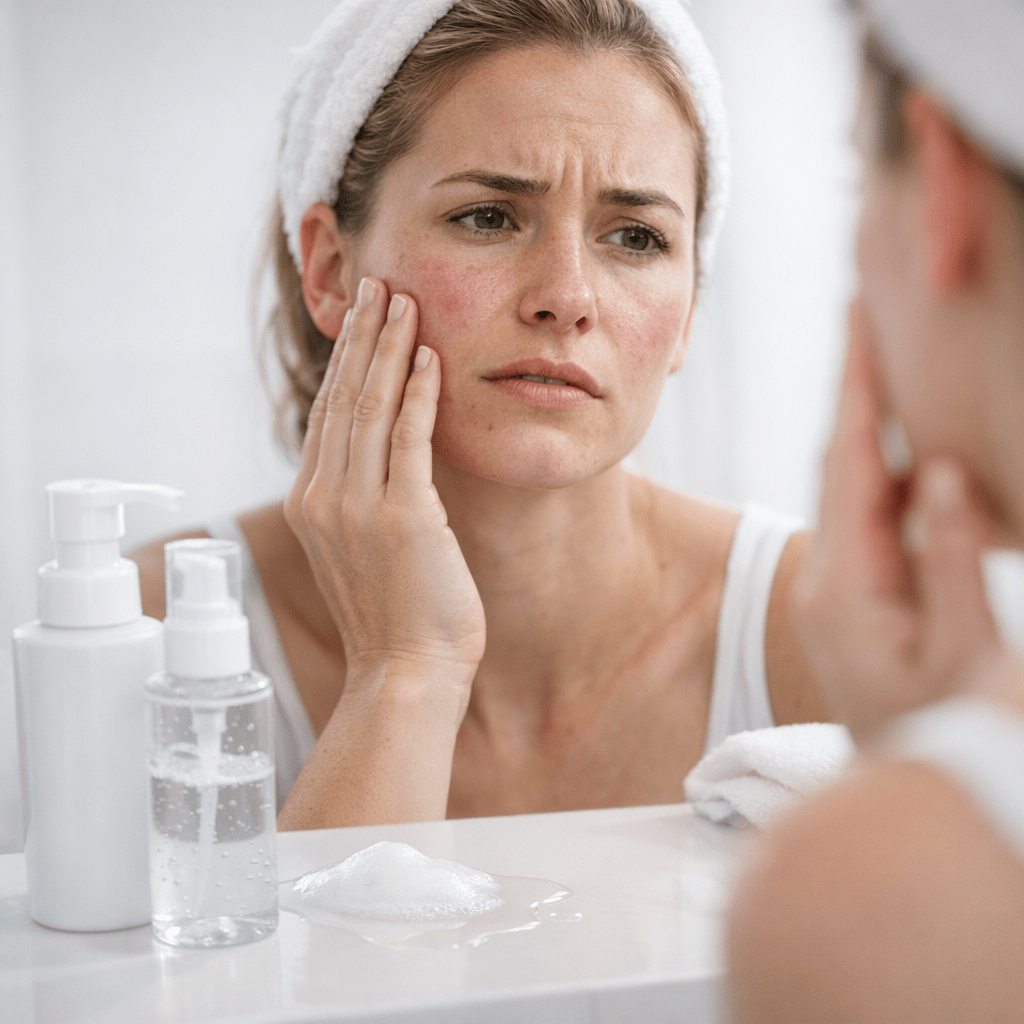
Picture this: You’re standing in the skincare aisle, staring at shelves packed with cleansers promising everything from “gentle hydration” to “deep pore detox.” Your skin’s been through enough trial-and-error experiments to know that one wrong move can mean days of redness, tightness, or worse—burning irritation. Sound familiar?
Here’s the problem: Not all “gentle” face washes are actually gentle. Some are loaded with hidden irritants like synthetic fragrances or harsh surfactants, while others don’t clean effectively, leaving residue that clogs your pores. And let’s be real—if you’ve got sensitive skin, even a single mistake feels like a betrayal by your own reflection.
But it doesn’t have to be this way! In this guide, you’ll discover:
- How to decode ingredient labels like a pro and spot potential irritants before they touch your face.
- The surprising tradeoffs between gel-based and cream-based cleansers for sensitive skin.
- Practical examples of products that actually work (and why they do).
Let’s break it down step by step so you can find your perfect match—and finally ditch those tear-inducing trials for good.
Why Most “Gentle” Cleansers Fall Short
Here’s the brutal truth: Just because a product says “gentle” on the label doesn’t mean your skin will agree. A lot of these cleansers rely on marketing buzzwords without backing it up with truly skin-soothing formulations.
Many products labeled as “for sensitive skin” still contain ingredients like sodium lauryl sulfate (SLS) (a common foaming agent) or synthetic fragrances, both of which can wreak havoc on compromised skin barriers. Others lean too far in the other direction—being so mild that they don’t remove dirt, oil, and makeup properly, leaving you prone to clogged pores and breakouts.
Also worth reading: 7 Best Salicylic Acid Cleansers for Teenage
Key takeaway: A good daily cleanser should strike a balance—it should effectively cleanse without stripping away essential moisture or irritating your already-sensitive skin.
5 Ingredients That Will Save (or Sabotage) Your Skin
Not all ingredients are created equal when it comes to soothing sensitive skin. Here’s what you need to look for—and avoid:
Look For These Heroes:
1. Glycerin: A natural humectant that draws moisture into your skin without clogging pores.
2. Ceramides: These fatty molecules help repair and strengthen your skin barrier.
3. Aloe Vera: Soothes inflammation and reduces redness almost instantly.
4. Colloidal Oatmeal: Perfect for calming irritated or itchy patches.
5. pH-Balanced Formulas (between 4 and 6): Mimic your skin’s natural acidity level for less disruption.
Related guide: 10 Best Hydrating Cleansers for Dry Skin
Avoid These Common Villains:
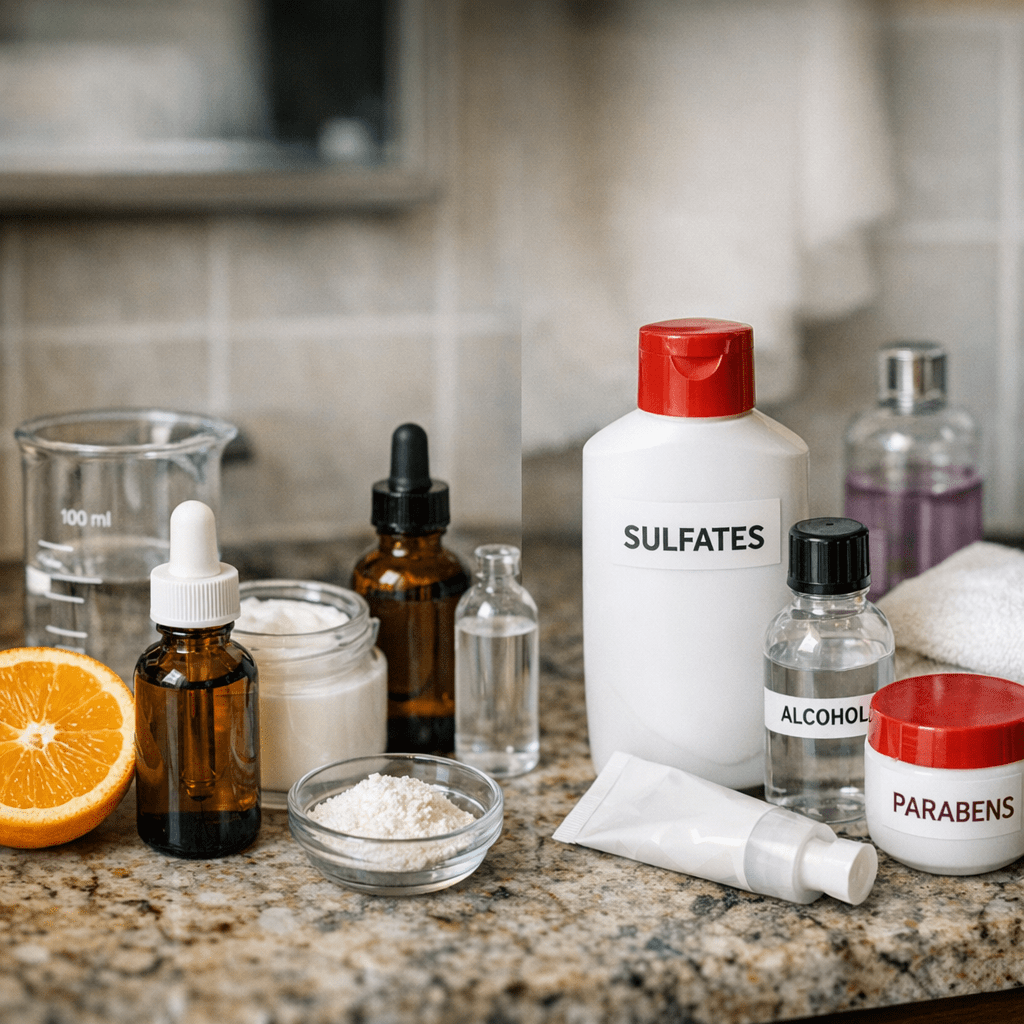
- Fragrance/Parfum: Even if it smells lovely, synthetic fragrance is one of the top culprits behind allergic reactions in skincare products.
- Sulfates (like SLS): These are great at foaming up but terrible for delicate complexions—they strip away protective oils too aggressively.
- Alcohol Denat (Denatured Alcohol): Often found in toners but sneaks into cleansers too; dries out already-sensitive skin.
- Essential Oils: While natural, some essential oils can cause irritation or even allergic reactions—especially citrus-based ones like lemon or orange oil.
💡 Pro Tip: If you’re overwhelmed by long ingredient lists filled with unpronounceable chemicals, apps like INCI Decoder can help break down what each component does—and whether it’s safe for sensitive types.
Gel vs Cream Cleansers — Which One Should You Pick?
Here’s where things get interesting because no two sensitive skins are alike! Let me explain the key differences first:
Gel-Based Cleansers
These are lightweight and water-soluble formulas ideal for oily-sensitive types who still deal with breakouts or clogged pores occasionally. They rinse off easily but sometimes leave people feeling tight if they over-cleanse.
Best For:
- Combination-to-oily sensitive skin
- Hotter months when sweat production is higher
Cream-Based Cleansers
Creamy options tend toward richer textures designed specifically around hydration needs making them perfect during winter seasons especially useful combating dryness issues triggered cold weather air conditioning systems etc.
Best For: