
Blog
The Honest Guide to Choosing a Gentle Daily Face Wash for Sensitive Skin Without Redness
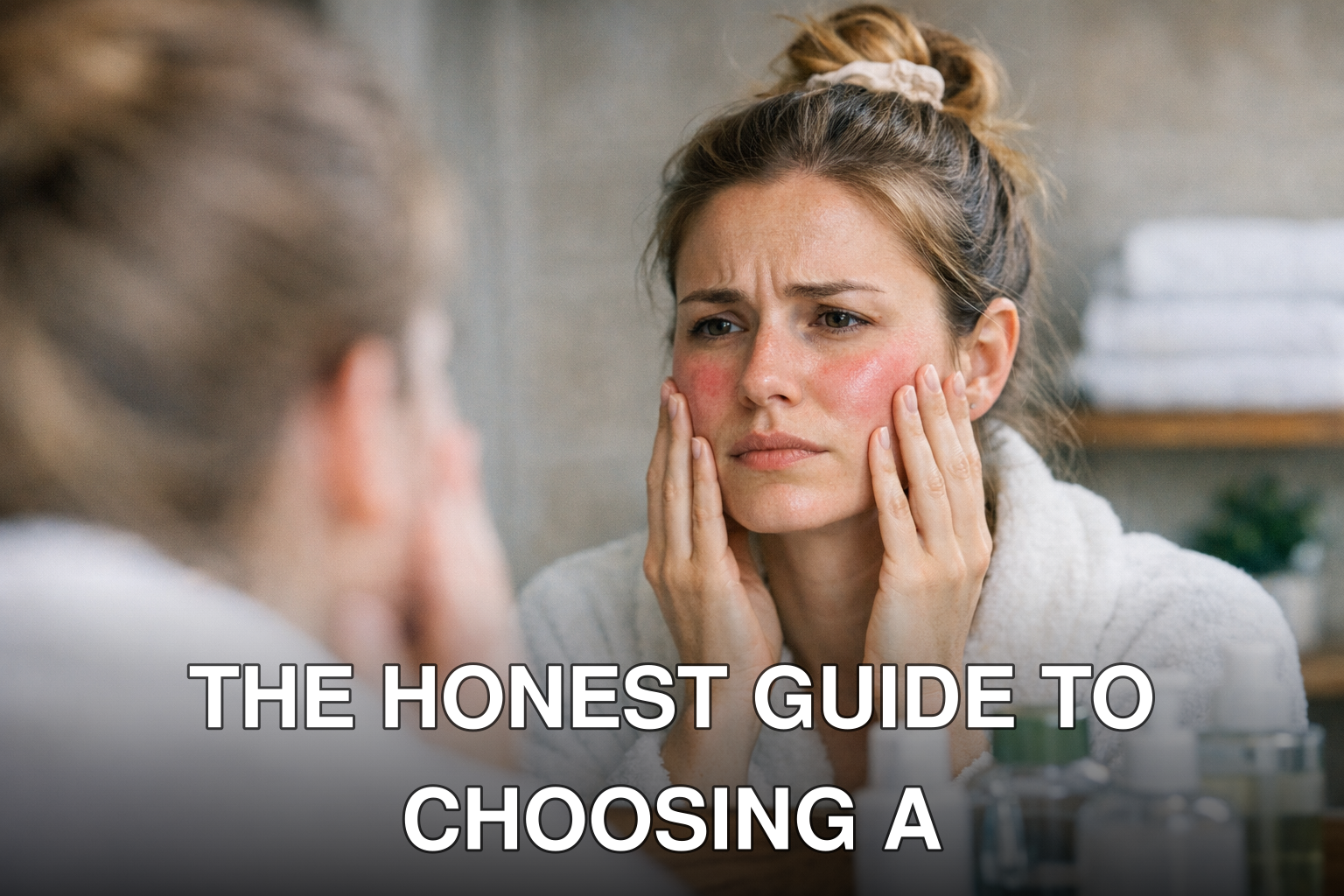
Imagine this: You’ve just spent a small fortune on a “gentle” face wash that promises the world—hydration, clarity, and absolutely no redness. But after two days of use, your skin is throwing a tantrum: dry patches, irritation, and that all-too-familiar flush of red across your cheeks. Sound familiar? If it does, you’re not alone.
Sensitive skin can be downright temperamental, and finding a daily face wash that’s truly gentle feels like solving a chemistry puzzle. Use the wrong product, and you’re dealing with redness. Skip washing altogether? Say hello to clogged pores and breakouts. So what’s the solution? A smarter approach to choosing the right cleanser tailored to your skin’s needs in 2026—without falling into the marketing traps so many brands set up.
In this guide you’ll discover:
- What makes a face wash genuinely “gentle” (hint: it’s more than just the label).
- Why certain ingredients are your best friends—and others are sworn enemies—for sensitive skin.
- Real-world examples of how some products fail despite their glowing claims (and how to avoid them).
Let’s get into it—and yes, I’ll share some surprising tradeoffs along the way.
What Does “Gentle” Actually Mean for Your Skin?
Here’s where most people get it backwards: Brands slap “gentle” on their packaging as if it’s an objective standard—but there’s no universal definition. For sensitive skin types, gentle means formulated without triggering ingredients. Think harsh sulfates (like sodium lauryl sulfate), added fragrances, or alcohol-based formulas that strip away your natural moisture barrier. Instead of cleansing your face, these end up waging war on it.
The Science Behind It
Your skin has something called an acid mantle—a protective layer made up of oils and sweat that helps keep bacteria out and moisture in. For sensitive skin types, this barrier is often weaker to begin with (thanks genetics!). A harsh cleanser disrupts this balance even further, leading to redness and irritation faster than you can say “refund.”
But here’s what they don’t tell you: even supposedly natural or organic cleansers can cause major issues if they’re poorly formulated or packed with essential oils like lavender or citrus extracts—commonly irritating culprits for sensitive folks.
Key takeaway: A gentle cleanser should respect your skin’s pH (around 5–5.5) and avoid known irritants like fragrance or sulfates.
The Cost of Getting It Wrong
What happens when you stick with the wrong daily cleanser? It’s not just about redness—it goes deeper than that (literally). Here’s what you’re risking:
- Barrier damage: Over-cleansing leads to transepidermal water loss (TEWL), leaving your skin unable to retain moisture properly.
- Inflammation overload: Chronic irritation can trigger long-term sensitivity issues—even conditions like rosacea.
- Breakouts: Paradoxically, stripping away too much oil forces your skin into overdrive, producing more sebum than you’d ever want.
Bottom line? Using an unsuitable cleanser is like trying to fix a leaky faucet by smashing it with a hammer—it only creates bigger problems.
Also worth reading: 10 Best Hydrating Cleansers for Dry Skin
Checklist: What to Look for in a Sensitive-Skin Cleanser
Before we dive into specific products or examples, let’s arm you with criteria you can actually use when shopping around:
- [ ] Fragrance-free: No exceptions here—fragrances are one of the top causes of contact dermatitis.
- [ ] Sulphate-free surfactants: Look for alternatives like cocamidopropyl betaine or decyl glucoside.
- [ ] Minimal ingredient lists: Fewer ingredients = fewer potential irritants.
- [ ] Hydrating agents: Things like glycerin or aloe vera help replenish lost moisture during cleansing.
- [ ] Non-comedogenic formulations: Avoid anything likely to clog pores while being labeled “gentle.”
If you’re unsure whether something fits these standards while browsing online shops like Cleanface Shop’s curated options (learn more), cross-check reviews from folks who’ve tested them on similar skin types.
Key takeaway: A good product shouldn’t make you guess; every ingredient should serve a purpose without unnecessary fluff.
Why Most Guides Get This Backwards
Here’s an uncomfortable truth about those “Top 10” articles floating around online—they rarely consider tradeoffs specific to your situation. Sure, CeraVe might work wonders for one person but leave someone else feeling tight-skinned by week three. And don’t even get me started on foaming cleansers labeled as “hydrating.” Often they use synthetic detergents that create bubbles but leave behind dryness nobody asked for.
To illustrate this mismatch clearly:
| Product Name | Claims | Real Outcome |
|———————-|———————|——————————————————————|
| Brand X Foaming Wash | “Gentle & Effective”| Left my cheeks redder after just two uses ⚠️ |
| Brand Y Micellar Gel | “Hydrates While Cleansing” | Worked fine but didn’t fully remove sunscreen residue ❌ |
| 🏆 Brand Z Creamy Cleanser | “Soothes & Repairs” | Delivered balanced results—no tightness OR leftover grime ✅ |
Notice how even highly-rated options still come down to tradeoffs depending on individual needs?
Related guide: How to Choose the Right Toner for Acne-Prone
Common Ingredients You Should Avoid Like the Plague
It’d be great if brands were honest about potential irritants upfront—but let me save you hours of squinting at labels by listing repeat offenders here:
1. Sodium Lauryl/Laureth Sulfate – Strips too much oil from already-sensitive skin.
2. Artificial Fragrance & Parfum – These are blanket terms hiding hundreds of unapproved chemicals.
3. Denatured Alcohols – Found in toners/cleansers marketed as mattifying; dries out delicate areas fast.
4. Essential Oils Misused at High Concentrations – Yes lavender lovers… I’m looking at YOU!
Myth-busting moment coming up…
Common myth: Essential oils are always safe because they’re plant-derived!
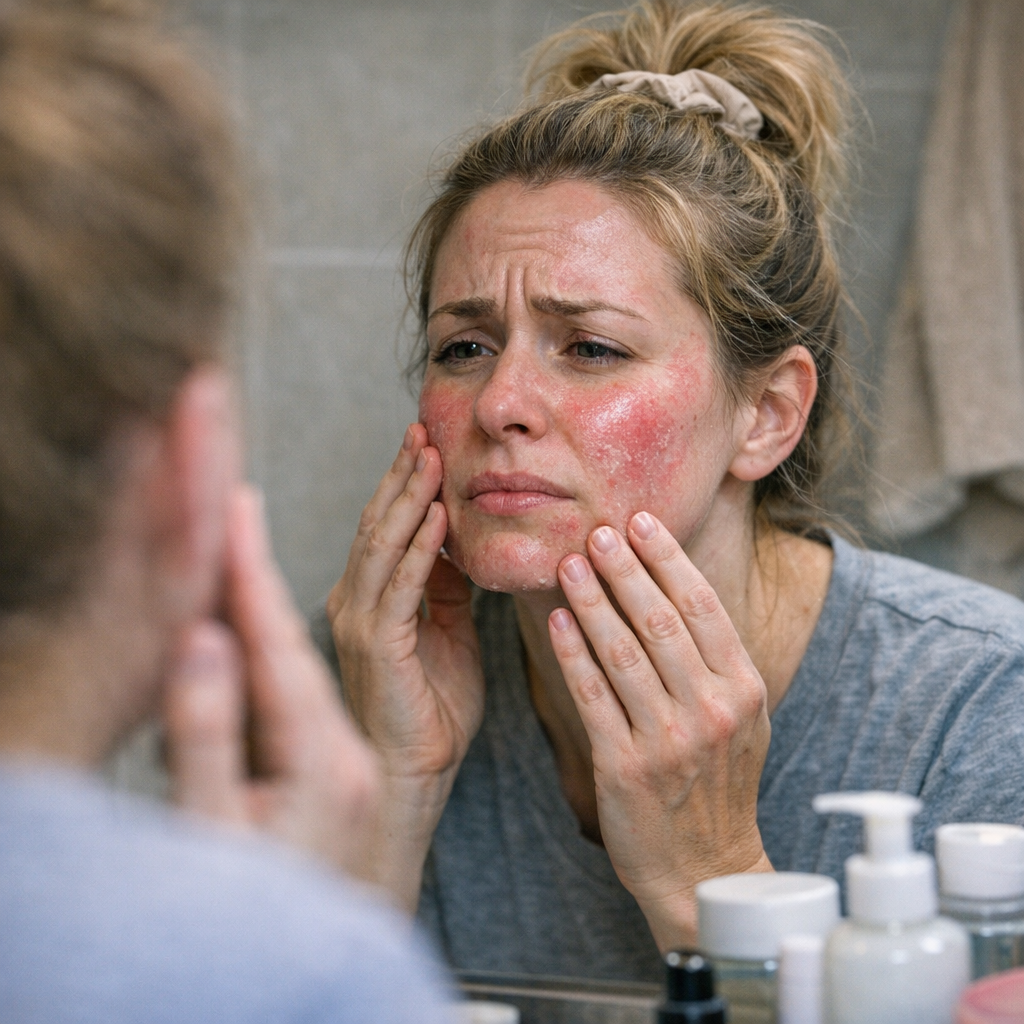
Reality: Natural doesn’t mean non-irritating; citrus oils especially increase photosensitivity risks under UV exposure!
That said… not EVERYTHING botanical deserves hate therapy either—but moderation matters massively contextually speaking re-concentration levels per %.
Sound complicated yet?! Don’t worry overly analytical analysis simplifications remain optional follow-ups forthcoming FAQs clarify nuances finer distinctions nuances finalizing below