
Blog
The Honest Guide to Choosing the Right Night Cream for Dry Winter Skin

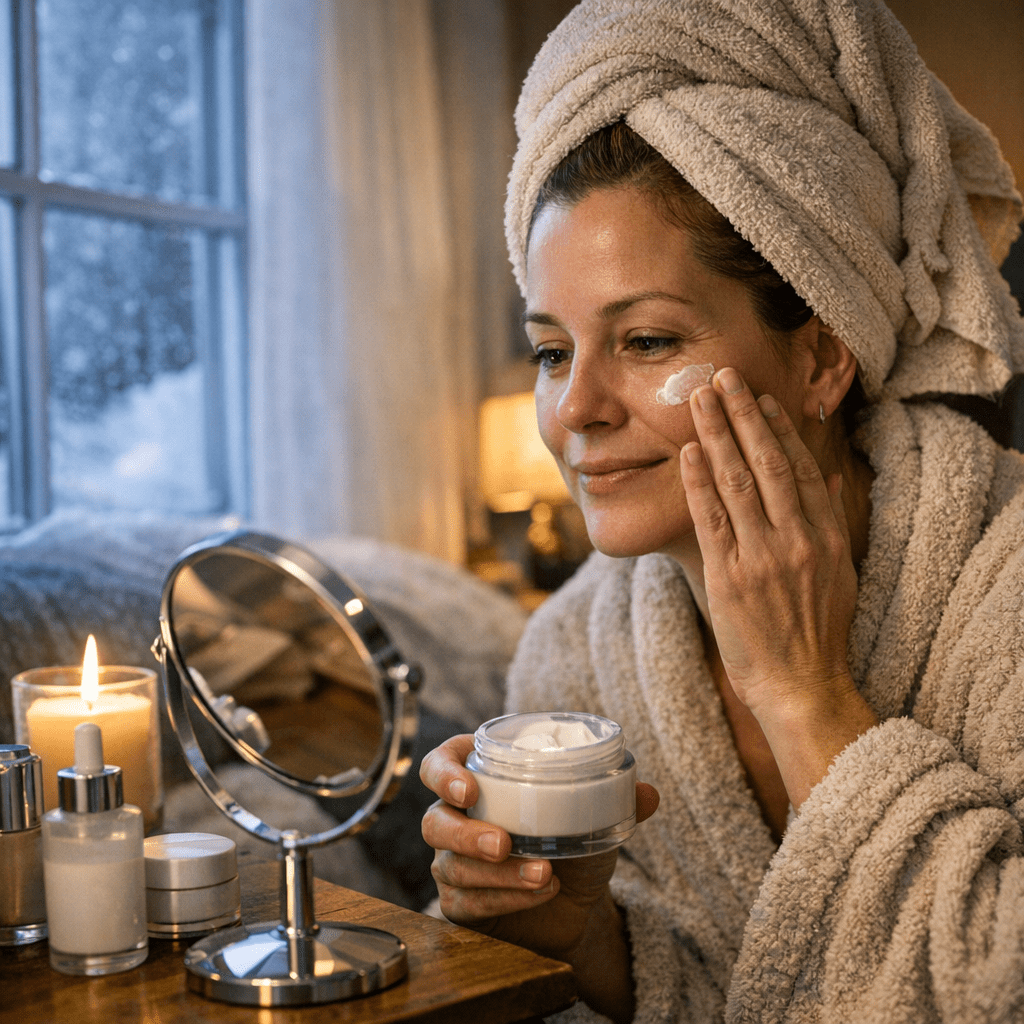
Picture this: It’s mid-January, and your face feels like sandpaper. You’ve been layering moisturizers, oils, and serums like you’re prepping for a skincare marathon, but nothing is cutting it. By 3 PM, that tight, itchy feeling creeps back in, mocking your best efforts. Sound familiar?
Winter does this to us—central heating dries the air indoors while cold winds whip at our faces outdoors. If you’ve got dry winter skin (and let’s be real, most of us do), choosing the right night cream isn’t just some beauty indulgence—it’s survival mode for your skin barrier.
But here’s the thing: not all night creams are created equal. Some promise hydration but leave you greasier than a slice of pizza. Others feel luxurious but fail to deliver long-term benefits beyond that first buttery application. In this guide, we’ll cut through the noise and help you figure out exactly which type of night cream works best for dry winter skin.
Here’s what we’ll cover:
- Why winter skin needs extra TLC (and why skipping a night cream is expensive in the long run).
- The 5 key ingredients to look for—and 2 common ones to avoid.
- A simple checklist to help you choose your perfect match without wasting money on trendy-but-useless creams.
Let’s get into it.
Why Your Skin Suffers More in Winter
Winter doesn’t just dry out your lips—it messes with your entire skin ecosystem. Cold air holds less moisture than warm air, so every time you step outside in winter, it feels like someone’s sucking water out of your face with a straw. Then there’s indoor heating—dry as a desert and just as unforgiving.
Here’s what happens when your skin barrier gets compromised:
1. Moisture escapes faster than usual (this is called transepidermal water loss).
2. Your natural oils deplete faster because they get stripped by harsher weather conditions and frequent hot showers (we all know how tempting those are).
3. Skin becomes prone to micro-tears, redness, and flaking because its protective layer is weaker.
Cost of ignoring it: If you don’t address these issues now, prepare for dullness, premature fine lines (yes—even in your late 20s), and an annoying amount of sensitivity come springtime.
What Makes a Good Night Cream for Winter?
Not every moisturizer can handle what winter throws at your skin—especially if it’s already on the drier side. A good night cream isn’t just about hydration; it should also repair damage and strengthen your barrier so tomorrow isn’t another fight against dryness.
Also worth reading: 7 Best Vegan Facial Cleansers for Clear Skin
The 5 Ingredients That Actually Work
When I tested different formulations throughout past winters—including early 2026 when central heating seemed practically weaponized—I kept coming back to these ingredients:
1. Hyaluronic Acid: This humectant pulls water into your skin from deeper layers or even humid air (if there is any). But pair it with occlusives—otherwise, it can paradoxically dry you out more in arid climates.
2. Ceramides: These are like mortar between bricks—they fill gaps in your skin’s barrier so moisture stays locked inside where it belongs.
3. Shea Butter or Squalane: Rich emollients like these soften rough patches without clogging pores.
4. Niacinamide: Great for calming redness and building up resilience over time.
5. Panthenol (Pro-Vitamin B5): Adds soothing hydration while promoting healing—a must if you’re battling flakiness.
Two Ingredients You Should Skip
Some ingredients love masquerading as helpful but aren’t great for dry winter skin:
- Alcohols: Steer clear of products listing “denatured alcohol” or “SD alcohol” high on their ingredient list—they can dehydrate already-parched skin faster than you can say “regret.”
- Fragrance: While not inherently evil, synthetic fragrances often irritate compromised barriers—skip them unless scented skincare doesn’t bother you at all.
How Much Should You Spend?
Here’s where everyone gets stuck: Do you go high-end because expensive = better, or stick with drugstore staples? Honestly? Both can work—but only if the formula checks all the boxes above.
When It’s Worth Splurging
If you’re dealing with severe dryness or sensitivity that over-the-counter creams can’t fix after two weeks of consistent use—a dermatologist-backed brand might be worth the investment.
Look for brands focused on clinical research—think La Roche-Posay ($42–$60) or SkinCeuticals ($90+). Yes, they’ll hit your wallet hard upfront but could save money long-term by actually solving issues rather than masking symptoms temporarily.
Budget Picks That Punch Above Their Weight
That said—you don’t need $100 creams unless nothing else works! Affordable options loaded with ceramides include CeraVe PM Lotion (~$18) or Vanicream Moisturizing Cream (~$16)—both dermatologists’ favorites year after year.
Checklist: Is This Night Cream Right For You?
Use this quick checklist before buying anything new:
- [ ] Does it contain at least one proven hydrating ingredient like ceramides or hyaluronic acid?
- [ ] Are there zero red flags like drying alcohols or heavy fragrances?
- [ ] Does its texture feel comfortable during patch testing—not too greasy but still nourishing?
- [ ] Is there evidence (reviews/testimonials) that people with similar concerns swear by it?
If yes—grab it and test! Worst case? It becomes a hand cream backup (we’ve all been there).
Myth-Busting Time
Common myth: “Thicker = better.” Not true! Thickness doesn’t always mean more hydration—it could just mean more filler ingredients that sit on top instead of penetrating deeply enough to make real changes overnight.
Related guide: 10 Best Hydrating Cleansers for Dry Skin
Reality: Focus on ingredient quality over texture preference alone—and remember some lightweight gels can outperform heavy balms depending on formulation science!
Before vs After Using the Right Night Cream
Let me paint two scenarios based on real experiences:
Before: Every morning feels like resetting progress; no matter how much moisturizer goes on at bedtime—you wake up flaky again by sunrise because nothing actually fixes underlying dehydration levels overnight.
After: With barrier-repairing formulas packed into nightly routines—you wake softer + visibly calmer-looking (even post-snowstorm walks!).
| Aspect | Without Night Cream | With Effective Night Cream |
|—————|———————|—————————-|
| Morning Glow | Dull/Flaky | Radiant/Smooth |
| Redness | High | Minimal |
| Comfort Level | Tightness | Supple |
Mid-Winter SOS Tips
Want extra mileage from whatever product lineup wins? Pair creamy cleansers under them instead harsh foaming washes; read Cleanface.Shop’s full breakdown about exfoliant types carefully tailored across seasonal quirks via links tailored earlier above!
2 thoughts on “The Honest Guide to Choosing the Right Night Cream for Dry Winter Skin”