
Blog
The Honest Guide to Creams vs. Gels: Which Is Better for Oily Skin?
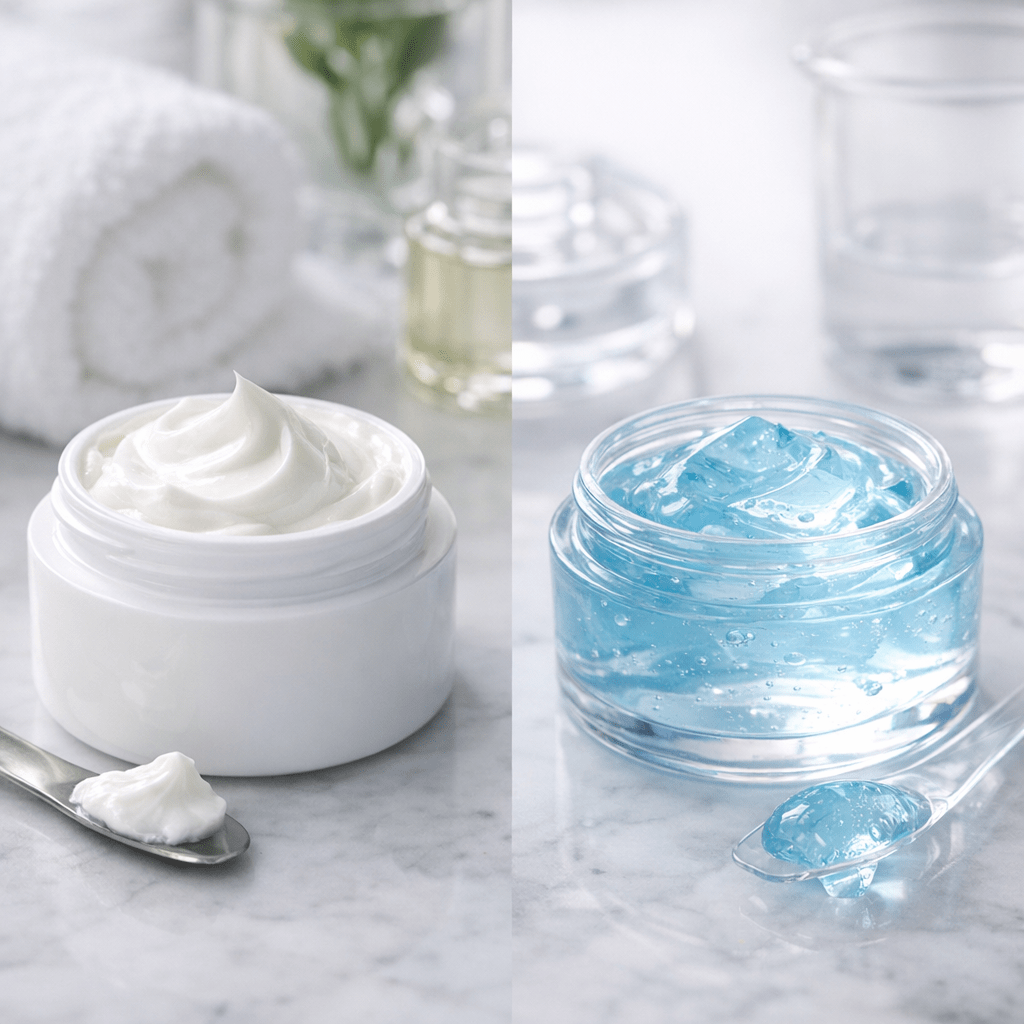
Picture this: you’re standing in front of a skincare aisle, staring at rows of creams and gels. Both promise magical results for your oily skin—but which one should you grab? If you’ve ever felt paralyzed by choice (especially when your T-zone feels greasier than a pizza box), you’re not alone.
Oily skin is tricky. It needs hydration, but the wrong product can leave you shiny and clogged up. And here’s the kicker: creams and gels aren’t interchangeable. Pick the wrong one, and you’ll spend weeks wondering why your face looks like a crime scene instead of glowing with that matte finish we all dream about.
In this guide, you’ll discover:
- The real difference between creams and gels (spoiler: it’s not just texture).
- How each works on oily skin, including pros and cons you probably haven’t heard before.
- The surprising winner for acne-prone faces in 2026—because trends have shifted big time since 2020.
Ready to finally crack the code? Let’s dive right into it.
What Makes Creams and Gels So Different Anyway?
Here’s something most skincare brands don’t spell out clearly: creams and gels aren’t just about how they feel. Their ingredients, absorption rates, and even their moisture-locking mechanisms are totally different—and that matters if you’ve got oily skin.
Creams: Heavy Hitters or Clog Machines?
Creams are thicker, richer, and usually oil-based or water-oil hybrids. They’re fantastic for locking in moisture, which makes them ideal for dry or aging skin types—but for oily folks? That richness can be a double-edged sword.
Pros:
- Deep hydration—perfect if your oily skin occasionally gets dehydrated (yes, that happens).
- Works well overnight when your skin regenerates naturally.
- Many include anti-aging ingredients like peptides or retinol.
Cons:
- Can feel heavy, especially during humid summer months.
- Higher risk of clogging pores (hello breakouts!).
- Often leaves a shiny film that screams “too much moisturizer.”
Gels: Lightweight Heroes or Too Weak?
Gels are water-based formulas designed to absorb quickly without leaving residue behind. They cater almost exclusively to people who want hydration minus any weight—aka oily-skinned warriors like us.
Pros:
- Absorbs fast—you won’t be stuck waiting forever before makeup application.
- Non-comedogenic by design (most gels won’t clog pores).
- Leaves behind zero shine—ideal for mattifying your look.
Cons:
Also worth reading: 10 Best Hydrating Cleansers for Dry Skin
- Some gel formulas lack long-lasting hydration power.
- Not as effective against flaky patches if your oily zones coexist with dryness.
- Can feel “too light” during colder months when extra moisture is needed.
Why Most Guides Get This Backwards
Here’s where things get messy: most advice lumps all oily-skin products together without digging deeper into nuances like seasonal shifts or hormonal changes that affect oil production. What worked last winter might be failing miserably now—and it’s not because your skin hates you; it’s because conditions change constantly.
Take my own experience back in early 2026: I swore by gel moisturizers throughout January but switched to lightweight cream hybrids by March after realizing my cheeks were drying out while my forehead stayed slicker than ever. Turns out the gel wasn’t cutting it anymore because my central heating system was zapping moisture faster than I could replenish it.
Bottom line? You can’t rely on blanket recommendations without factoring in context—and this failure is why so many people end up disappointed after buying “miracle” products blindly.
So Which Wins for Oily Skin? Let’s Compare Them Side-by-Side
Here’s where we get practical—with real data instead of marketing fluff:
| Feature | 🏆 Gel | Cream | Notes |
|—————————–|——–|——-|—————————————–|
| Lightweight Feel | ✅ | ❌ | No contest—gels win here every time. |
| Long-Term Hydration | ⚠️ | ✅ | Creams hydrate deeper but feel heavier. |
| Pore-Friendly | ✅ | ❌ | Most gels are non-comedogenic; creams vary widely based on formula strength. |
| Shine Control | ✅ | ❌ | Gels excel at mattifying greasy zones! |
| Best For Seasonal Changes | ⚠️ | ✅ | Cream hybrids adapt better to colder months when dryness sneaks in alongside oiliness.|
Best for: Oily-skinned users needing lightweight hydration will love gels year-round; those battling combo skin may benefit from switching seasonally between gels (summer) and cream-gel blends (winter).
Myth-Busting Common Assumptions About Skincare
Let me clear up one huge misconception I hear constantly: “Hydration makes oily skin worse.” Nope—it doesn’t work that way! When oily skin lacks proper hydration, your sebaceous glands freak out and overcompensate by producing more oil. So skipping moisturizer isn’t solving anything—it’s actually making things worse over time!
Related guide: How to Choose the Right Toner for Acne-Prone
Real Examples from 2026 Trends
Looking at what people swear by lately confirms some interesting shifts:
1) Gel moisturizers dominated summer sales, with Cleanface.shop reporting nearly 40% growth compared to previous years due to increased demand among younger users prioritizing shine-free looks over heavier formulas.
2) Hybrid cream-gel formulations surged during winter, offering balanced hydration without suffocating clogged pores—a perfect middle ground many didn’t know existed until recently.
Want specifics? Check out Cleanface.shop’s top picks like 13 Best Hydrating Toners With Hyaluronic Acid or 10 Best Charcoal Cleansing Masks—both highlight what modern oily-skinned users rave about!
How To Choose Based On Your Own Skin Needs
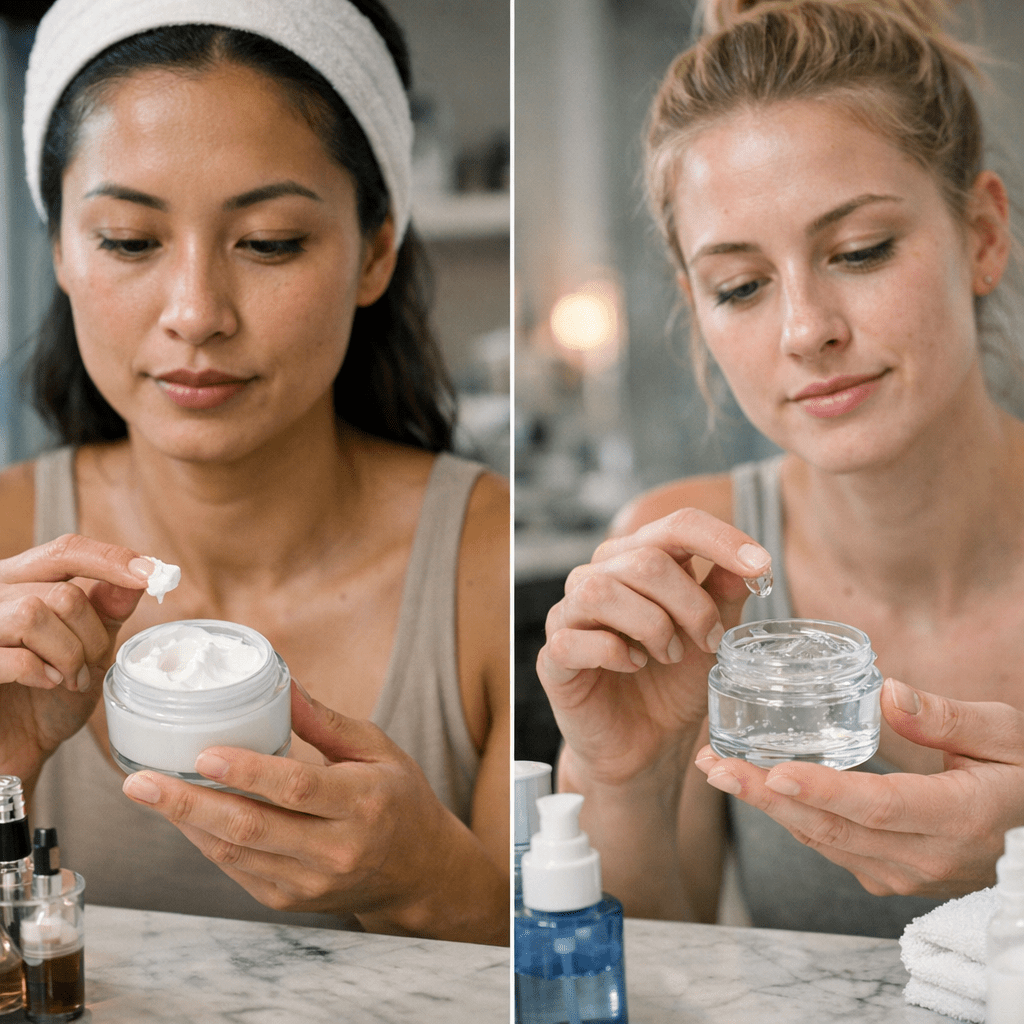
Here’s an actionable checklist before hitting “add to cart”:
- [ ] Do you need shine control more than deep hydration? Go gel.
- [ ] Is winter drying parts of your face while others stay greasy? Consider hybrid cream-gel blends.
- [ ] Are breakouts frequent after new products? Stick with non-comedogenic labels only!
- [ ] Do certain areas flake despite feeling greasy elsewhere? Test lighter creams targeted toward combo zones.
- [ ] Does makeup slide off midday due partly-to moisturizing film issues earlier-on mornings-switch focus towards rapid absorbing gel options pre-foundation layers!
Frequently Asked Questions
Q: Can I use both a cream AND gel in one routine?
Yes! Layering isn’t uncommon—for example pairing gels underneath lightweight night-focused creamy boosters balancing various needs simultaneously works wonders experiment thoughtfully avoiding excess layering risks overall reactions potential clogs result otherwise!