
Blog
The Ultimate Guide to Choosing the Right Retinol Cream for Fine Lines and Wrinkles Over 50
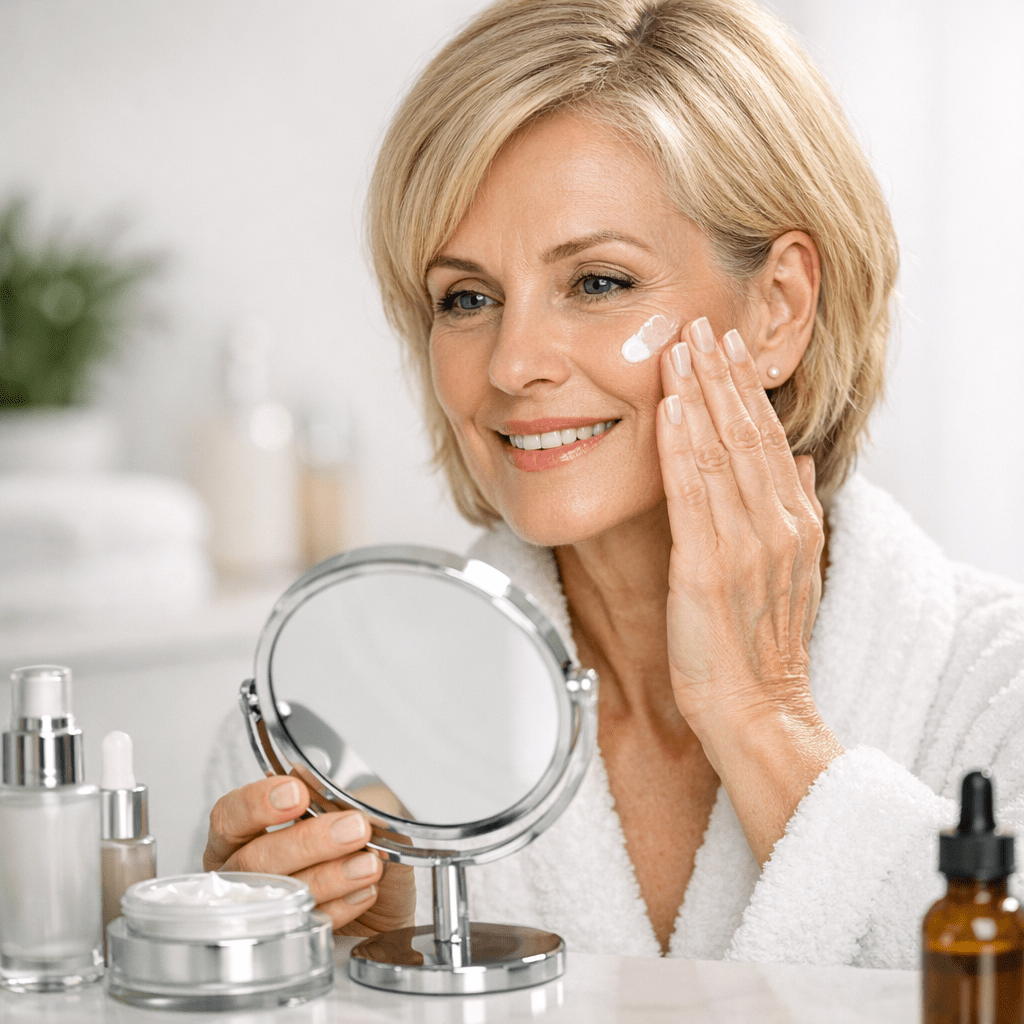
Let me tell you something that might make you do a double-take: not all retinol creams are created equal, especially when you’re over 50. A friend of mine—let’s call her Linda—found this out the hard way. She grabbed the first product she saw on the shelf labeled “anti-aging” and ended up with red, flaky skin that made her swear off skincare altogether for months. Sound familiar?
Here’s the thing: your skin changes as you age. What worked for you in your 30s or even 40s may not cut it anymore. And if you’re over 50, those fine lines and wrinkles are no longer just whispers—they’re full conversations on your face. But there’s hope. The right retinol cream can work wonders by smoothing out those lines, evening out skin tone, and giving you back some of that glow we all miss from our younger years.
In this guide, you’ll discover:
- The specific types of retinol best suited for mature skin
- How to avoid irritation while still seeing results
- A breakdown of top options to help you decide what’s worth it (and what isn’t)
Ready to find your perfect match? Let’s dive in.
Why Retinol Is a major shift After 50
Let’s start here: retinol is one of the few dermatologist-approved ingredients that’s proven to reduce fine lines and wrinkles. It works by increasing cell turnover, boosting collagen production, and even fading dark spots caused by years of sun damage (a big win if you spent your youth chasing tans without sunscreen).
But here’s where it gets tricky: as we age, our skin becomes thinner, drier, and more sensitive. That means stronger isn’t always better when it comes to choosing a retinol cream at this stage of life. This is where most people mess up—they go straight for the strongest formula they can find because they assume “more potent = better results.” Spoiler alert: it doesn’t work like that! Instead, it often leads to redness, flakiness, and irritation—the exact opposite of what you’re going for.
Cost of inaction: Skip retinol altogether because you’re scared of irritation? You’re leaving smoother texture and brighter skin on the table—and potentially setting yourself up for deeper wrinkles down the line.
Also worth reading: 10 Best Clay Masks for Deeply Cleansing
Key takeaway: Retinol remains one of the best tools against aging skin after 50—but only if it’s chosen carefully with mature skin in mind.
Quick Navigation
1. What Makes Retinol So Effective?
2. Types of Retinoids You Need to Know About
3. 7 Tips for Choosing a Retinol Cream Over 50
4. The Best Retinol Creams for Fine Lines & Wrinkles in 2026
5. Common Mistakes That Sabotage Your Results
What Makes Retinol So Effective?
Retinol is essentially a derivative of vitamin A—one of nature’s most powerful anti-aging ingredients. It helps speed up cell turnover (your natural exfoliation process), which slows down significantly as we age past our 20s and into midlife.
Related guide: 10 Best Hydrating Cleansers for Dry Skin
Here’s why that matters: new cells coming to the surface mean fewer dead ones clogging pores or making your complexion look dull; more collagen means plumper, firmer skin; reduced melanin production helps fade dark spots over time.
But there’s also a catch—it takes patience before you see results (think weeks, not days), and improper use can turn dreams into nightmares (like Linda’s peeling disaster). That’s why selecting wisely is everything!
Key takeaway: If smoother lines sound good but so does avoiding flaky red patches—understanding how different forms interact w/ older/sensitive skins will save heartache later!

Types Of Retinoids You Need To Know About
When people say “retinols,” they’re often lumping together an entire family known broadly as retinoids, which vary hugely strength-wise:
Over-the-Counter Options
1.) Retinyl Palmitate/Esters: Gentlest versions; excellent starting point newcomers unsure handling yet cautious remainder effects.