
Blog
How to Choose the Right Astringent for Oily Skin: A Step-by-Step Guide: Practical Playbook with Real Examples
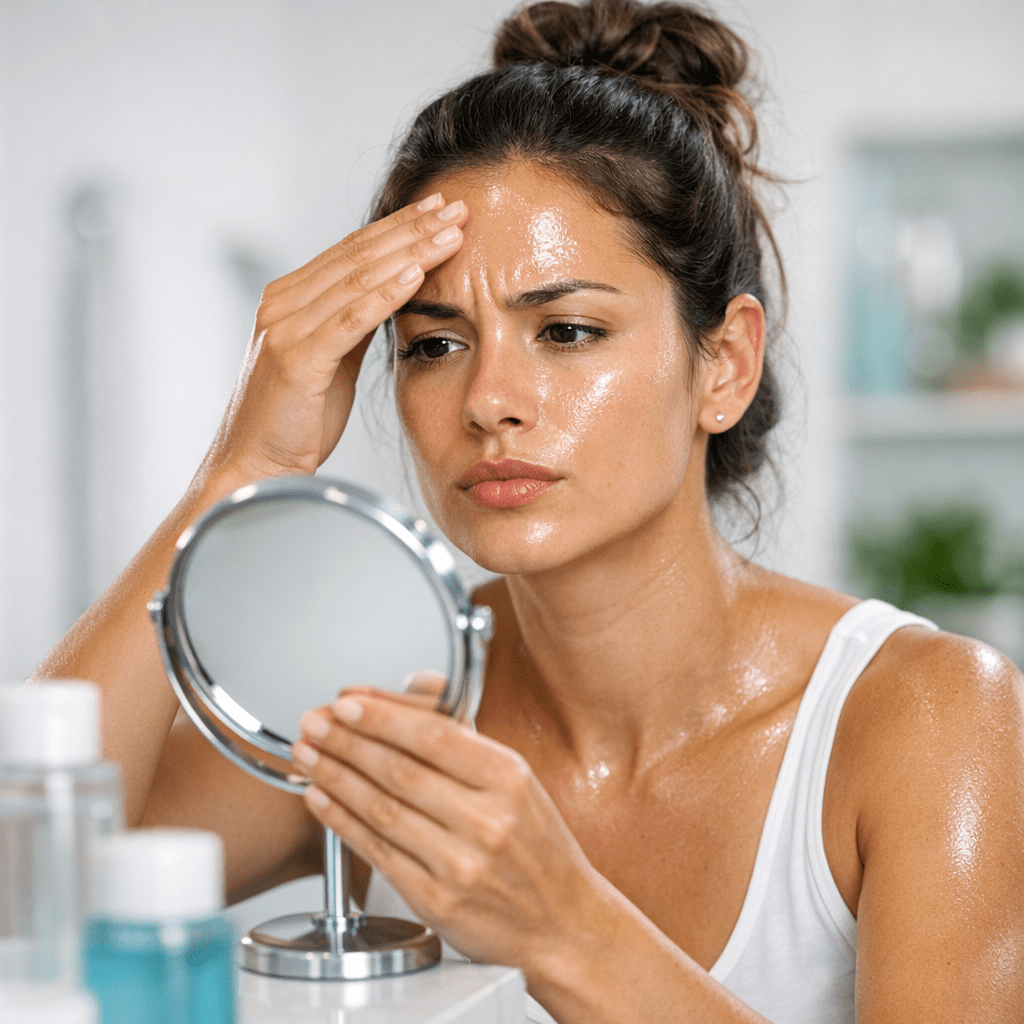
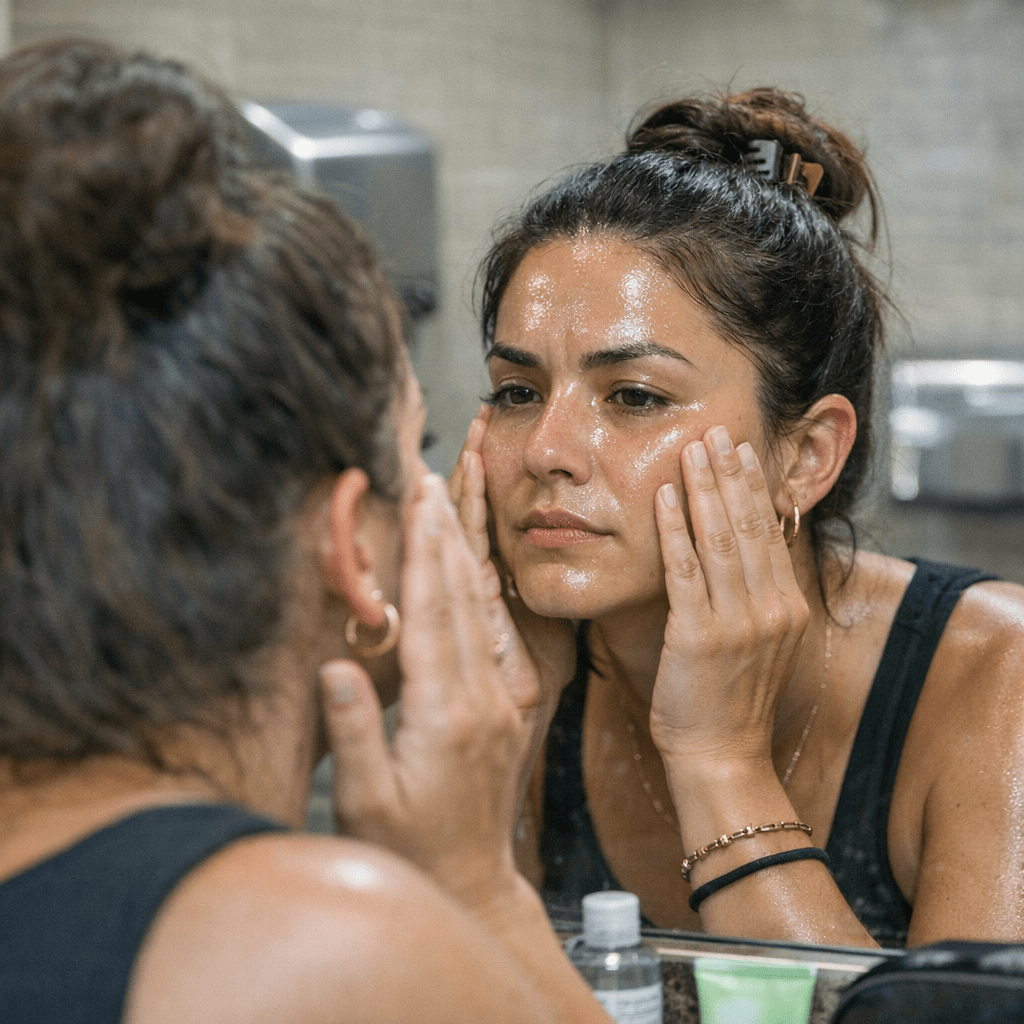
Let’s be honest—oily skin can feel like a full-time job. Your face looks fresh in the morning, and by lunch, it’s shining like a glazed donut. Sound familiar? That’s where astringents come in. They’re like your secret weapon against excess oil and clogged pores. But here’s the tricky part: not all astringents are created equal, and picking the wrong one can make things worse instead of better.
So, how do you choose the right one for your skin? I’ve been down this road before—testing countless bottles, battling breakouts from over-drying formulas, and finally landing on products that actually work. Let me walk you through what I’ve learned so you can skip the mistakes.
—
What Exactly Is an Astringent?
Before we get into the nitty-gritty of picking one, let’s clear up what an astringent is—and isn’t. An astringent is a liquid-based product designed to remove excess oil from your skin, tighten pores, and sometimes even fight acne-causing bacteria. Think of it as a step between cleansing and moisturizing.
But here’s where people mess up: they confuse toners with astringents. While both are applied after cleansing, toners are usually gentler and more hydrating. Astringents tend to be stronger and specifically target oil control. If you’ve got oily or combination skin that leans greasy by mid-day, an astringent might just be your new best friend.
—
Step 1: Know Your Skin Type (Yes, Even Within “Oily”)
Not all oily skin is the same. Some people deal with consistent shine everywhere (hello T-zone!), while others only get greasy in certain spots or during warmer months.
Here’s how to figure out where you land:
- If you’re shiny all over: You likely have true oily skin.
- If only your T-zone (forehead, nose, chin) gets oily: You probably have combination skin.
- If your skin feels tight after washing but gets greasy later: This could mean dehydration masked by oil overproduction—an important distinction when choosing products.
Your goal? To find an astringent that controls oil without stripping your skin so much that it starts overproducing sebum as compensation.
—
Step 2: Read Labels Like a Detective
Once you know what type of oily skin you’re dealing with, it’s time to look at ingredients. Here are some common ones you’ll see on labels—and whether they’re worth trying:
Ingredients That Work
1. Witch Hazel
A classic ingredient in many drugstore astringents (and for good reason). Witch hazel is gentle yet effective at reducing oiliness without being overly harsh.
2. Salicylic Acid
This powerhouse exfoliant penetrates deep into pores to clear out gunk and prevent future breakouts.
3. Alcohol-Free Formulas
Trust me on this one—skip anything packed with alcohol unless you’re desperate for short-term mattifying effects (and even then…proceed cautiously). Alcohol-based formulas often lead to dryness and irritation in the long run.
4. Botanicals Like Aloe Vera or Green Tea Extract
How to Use Moisturizing Toners to Boost Skin Elasticity at Night: Practical Play
These soothe inflammation while providing lightweight hydration—a balance that’s crucial for calming irritated or acne-prone skin.
Ingredients to Avoid
- High Alcohol Content
Already mentioned but worth repeating because so many cheap options rely on it.
- Fragrance/Perfume
Can irritate sensitive oily skin types.
- Menthol/Camphor
They give that “tingly” feeling but often cause more harm than good by triggering redness or irritation.
—
Step 3: Match It to Your Daily Routine
This might seem obvious, but you’d be surprised how many people buy skincare products they never end up using because they don’t fit into their daily routine.
For example:
- If you’re always rushing in the morning, opt for an easy-to-use formula like pre-soaked pads instead of liquid bottles requiring cotton rounds.
- Prefer multi-functional products? Look for an astringent with added benefits like acne-fighting salicylic acid or calming botanicals.
- Struggling with post-shave bumps? Some men swear by witch-hazel-based formulas as part of their grooming routine.
The point is: practicality matters as much as performance when committing to regular use.
—
Real Talk About Tradeoffs
Here’s something I learned the hard way: there’s no “perfect” product that checks every box without compromise somewhere along the line. For instance:
- Witch hazel is fantastic but may not provide enough exfoliation if blackheads are your main issue.
- Salicylic acid can work wonders on acne but might leave certain areas feeling dry if overused.
- Alcohol-free options are great for hydration but sometimes lack that immediate matte finish people expect from an astringent.
My advice? Prioritize based on your biggest concern—whether it’s shine control during summer months or keeping breakouts at bay year-round—and adjust accordingly from there.
—
Comparing Popular Options (2026 Update)
Here’s how some commonly recommended formulas stack up:
| Product Name | Star Ingredient(s) | Pros | Cons | Price (USD) |
|———————-|————————|—————————–|——————————-|——————|
| Thayers Witch Hazel | Witch Hazel + Aloe Vera | Gentle; alcohol-free; hydrating | May not control heavy oiliness effectively | $10–12 |
| Neutrogena Clear Pore Astringent | Salicylic Acid | Great for acne-prone skin; budget-friendly | Contains alcohol; drying if used too often | $7–9 |
10 Best Hydrating Cleansers for Dry Skin Under $30: Practical Playbook with Real
| Dickinson’s Original Witch Hazel Toner | Witch Hazel | Affordable; works well on sensitive/oily combo | Strong smell might bother some | $5–7 |
| Paula’s Choice Skin Balancing Pore Reducing Toner | Niacinamide + Chamomile | Balances hydration & oil control | On pricier side | $23 |
—
Step 4: Test First Before Committing Long-Term
No matter how glowing those reviews sound online—or even here—you’ll never know how an astringent works until it hits your face. Here’s how I recommend testing any new product safely:
1. Patch-test it on your jawline or behind your ear first.
2. Use sparingly at first—maybe just once daily instead of twice—to see how your skin reacts.
3. Pay attention after about two weeks; any longer-term irritation tends to show up within this window.
Also related: If you’re layering other actives like retinol or vitamin C into your routine already…be careful! Overloading can easily backfire by causing sensitivity flare-ups instead of clearer results overall!
—
What Happens If You Pick Wrong?
Maybe you’ve been there already—I sure have! Choosing too harsh an option left my face redder than Rudolph during allergy season; meanwhile skipping active ingredients altogether did little beyond wasting shelf space…
One trick I’ve found useful whenever damage-control mode kicks-in involves leaning heavily into barrier-repair creams rich w/ ceramides hyaluronic-acid peptides etc alongside pausing whatever caused original reaction entirely till calm returns again naturally afterwards..
For quick fixes though double-check these tips here.
—
There honestly isn’t singular “RIGHT CHOICE”—but learning basics outlined above ensures fewer regrets/mistakes moving forward clearer brighter healthier-looking complexion awaits wherever path leads next…
Related Links